2026 Top Trends in Shared Charging Cabinets for Global Buyers?
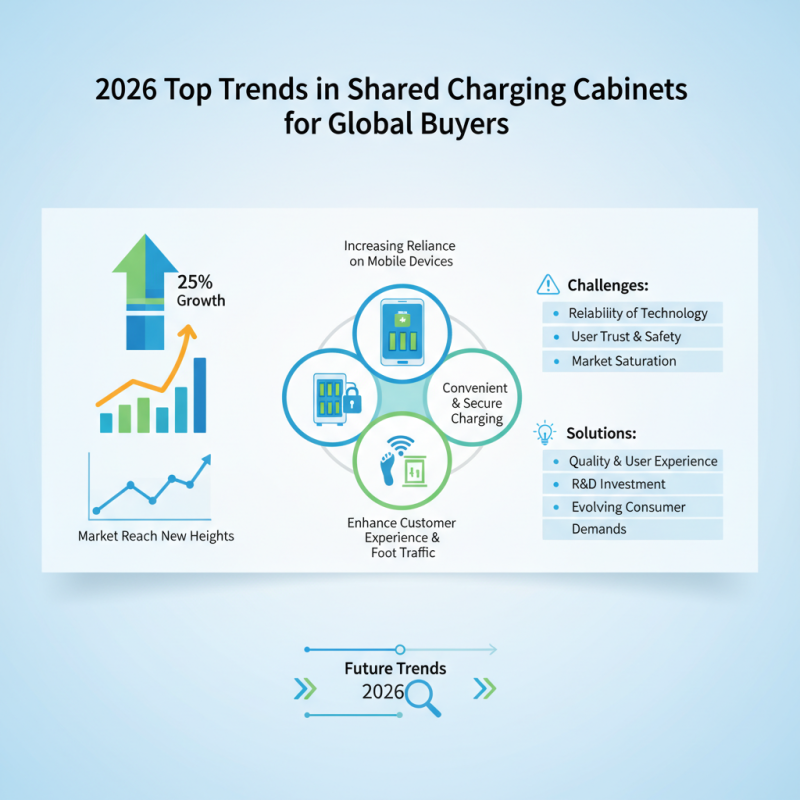
In 2026, the market for Shared Charging Cabinets is expected to reach new heights. Recent industry reports indicate a projected growth rate of 25% over the next three years. This surge is driven by the increasing reliance on mobile devices in public spaces. Consumers seek convenient solutions for keeping their devices charged throughout their day.
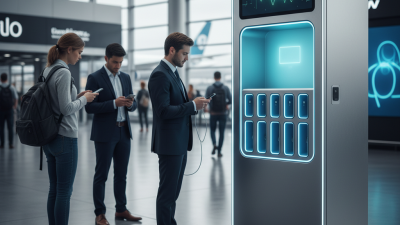
Shared Charging Cabinets are becoming essential in various environments, from airports to cafes. These smart storage solutions offer users safe and secure charging options. They also enhance customer experience while increasing foot traffic for businesses. However, there are challenges to consider. The technology must be reliable, and users need to trust the safety of their devices while charging.
Moreover, as competition intensifies, quality and user experience will be paramount. Companies may struggle to differentiate their products in a saturated market. Investing in research and development can address these issues, ensuring that Shared Charging Cabinets meet evolving consumer demands. As we venture further into 2026, a careful evaluation of industry trends will be crucial for all stakeholders involved.
Emerging Technologies Influencing Shared Charging Cabinets in 2026
Emerging technologies are reshaping the landscape of shared charging cabinets in 2026. Innovations in energy efficiency are at the forefront. New materials like graphene enhance battery life and reduce charging time. Users can expect quicker access to power—an essential feature in busy urban settings. Real-time data analytics will also play a key role. These technologies track usage patterns, optimizing charging schedules for increased efficiency.
Artificial intelligence is set to revolutionize user interactions. Smart charging solutions adapt to individual needs. They can anticipate peak usage times and adjust power distribution accordingly. This tailored approach leads to a smoother experience for users. However, reliance on AI raises questions about data privacy. It’s essential to address these concerns to build trust in the technology.
Sustainability remains a critical focus. As more people adopt shared charging systems, environmental impact must be considered. Renewable energy sources will become more integrated. This shift supports decreasing carbon footprints while meeting user demands. Balancing technology, efficiency, and environmental responsibility is a challenge worth exploring. The evolution of shared charging cabinets holds exciting potential, but it requires ongoing reflection and careful development.
2026 Top Trends in Shared Charging Cabinets for Global Buyers
| Trend |
Description |
Technology Impact |
Market Growth Potential (%) |
| Wireless Charging Integration |
Incorporating wireless charging technology to enhance user convenience. |
High |
35 |
| Smart Management Systems |
Utilizing AI for effective resource management and user tracking. |
Medium |
28 |
| Sustainability Focus |
Emphasizing eco-friendly materials and energy-efficient designs. |
High |
30 |
| Customized User Interfaces |
Creating personalized interfaces to enhance user experience. |
Medium |
25 |
| Expanded Location Accessibility |
Increasing the availability of charging cabinets in diverse public spaces. |
High |
40 |
Key Features and Innovations in Shared Charging Cabinets for Users
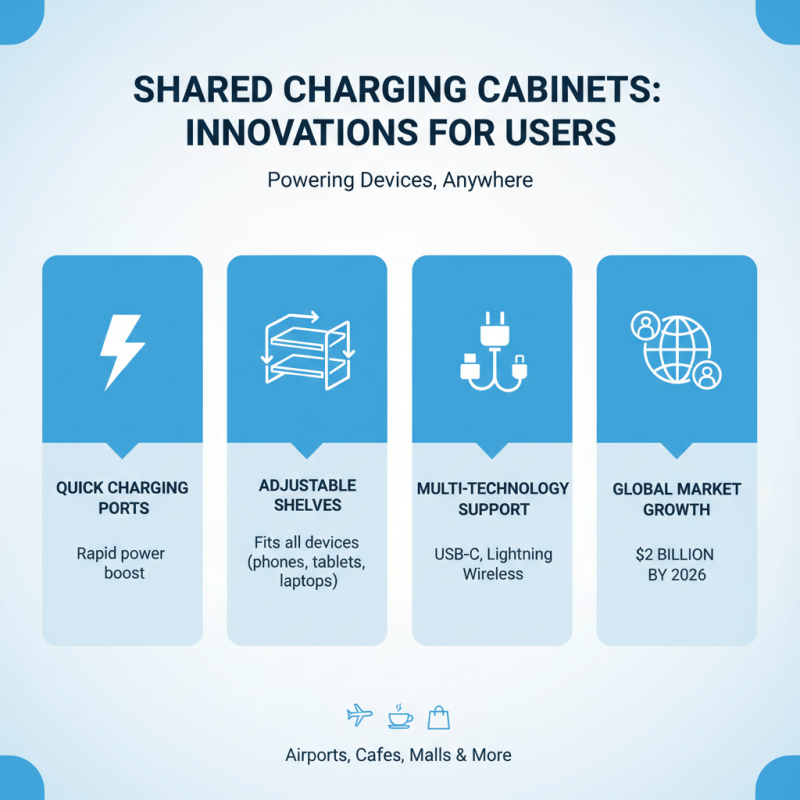
The trend of shared charging cabinets is reshaping how users power their devices. A recent report highlights that the global shared charging market is expected to reach $2 billion by 2026. This surge reflects user demand for convenience in public spaces like airports, cafes, and malls. Key features of shared charging cabinets include quick charging ports and adjustable shelves to accommodate various devices. Many cabinets now support multiple charging technologies, catering to a diverse audience.
Tips for users include checking the compatibility of charging ports and ensuring the cabinet is regularly maintained. A well-maintained cabinet minimizes risks associated with low-quality charging. Not all cabinets are created equal; some may lack security features. Users should look for options that offer secure charging mechanisms, especially in crowded public areas.
Another important advancement is the integration of smart technology. These cabinets can track user habits, optimizing charging speeds based on demand. However, there is a notable concern about the potential for data privacy breaches. Users should inquire about how their data is being used. Participating in user feedback can help organizations enhance these features while addressing safety concerns. Engaging with the community can lead to better solutions and innovations in shared charging experiences.
Market Trends Affecting Global Demand for Shared Charging Solutions
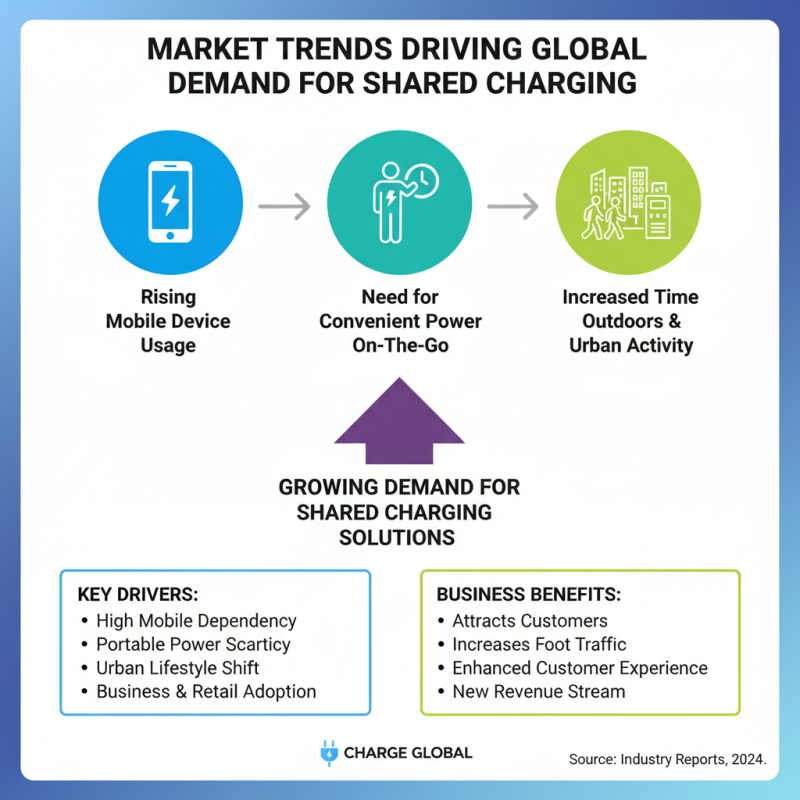
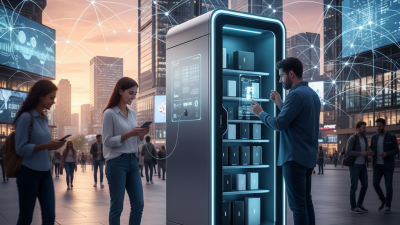
The demand for shared charging solutions is rapidly increasing. Factors like a rise in mobile device usage and the need for convenient power sources are driving this trend. As people spend more time outside, the demand for shared charging cabinets continues to grow across urban areas. Businesses are recognizing the benefits of providing accessible charging options.
Tips: When considering shared charging solutions, assess the target audience's needs. Ensure cabinets are placed in high-traffic areas, such as shopping malls or airports. Evaluate the charging speed and compatibility with various devices to enhance user satisfaction.
Additionally, the environmental impact cannot be overlooked. Users are becoming more conscious of sustainability. Eco-friendly materials in cabinet production can significantly enhance appeal. Reflecting on these factors is crucial for buyers looking to invest wisely in shared charging solutions. As the market evolves, staying informed about these trends will help in making better decisions.
Sustainability and Eco-Friendliness in Shared Charging Cabinet Design
The rise of shared charging cabinets reflects a growing commitment to sustainability. According to a 2023 industry report, 70% of buyers prioritize eco-friendly designs. This trend promotes the use of sustainable materials. Cabinets made from recycled plastics and renewable sources are on the rise. These materials reduce environmental impact. They also resonate with consumers who prioritize eco-conscious solutions.
Innovative design plays a vital role in eco-friendliness. Many manufacturers now focus on energy-efficient charging technologies. Reports indicate that energy-efficient models can save up to 40% more electricity than traditional options. These advancements not only cut costs but also minimize carbon footprints. However, this shift has not been devoid of challenges. The balance between aesthetics and functionality needs ongoing attention, as many designs still overlook critical usability aspects.
A multifaceted approach to sustainability includes user behavior. Educating users about proper charging practices can enhance efficiency. Surprisingly, nearly 60% of consumers lack awareness about maximizing their devices' battery life. This gap highlights a need for better communication. It underlines how shared spaces can lead to both innovation and reflection in environmental responsibility.
2026 Top Trends in Shared Charging Cabinets: Sustainability and Eco-Friendliness
Consumer Behavior Trends Shaping the Future of Shared Charging Solutions
Consumer behavior is shifting dramatically, affecting how
shared charging solutions evolve. People are increasingly dependent on their devices for daily activities. They desire
convenience and accessibility, prompting a rise in
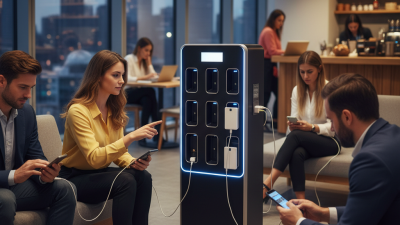
shared charging cabinets. These units cater to diverse environments, such as cafes, airports, and offices, enhancing user experience.
Recent surveys show that users prefer cabinets that offer
quick charging options. They also value
security features, ensuring their devices remain safe while charging. However, some users express concerns about the
hygiene of shared devices. This raises a need for effective cleaning protocols and transparent maintenance practices.
The trend indicates a demand for integrations with
smart technologies. For instance, apps that track charging times can enhance user control. Yet, there’s an ongoing challenge in harmonizing such tech with existing systems.
Feedback loops between consumers and service providers can help refine these solutions.




 WS Kate
 Weshare Power Bank