2026 Best Shared Charging Station Innovations for Electric Vehicles?
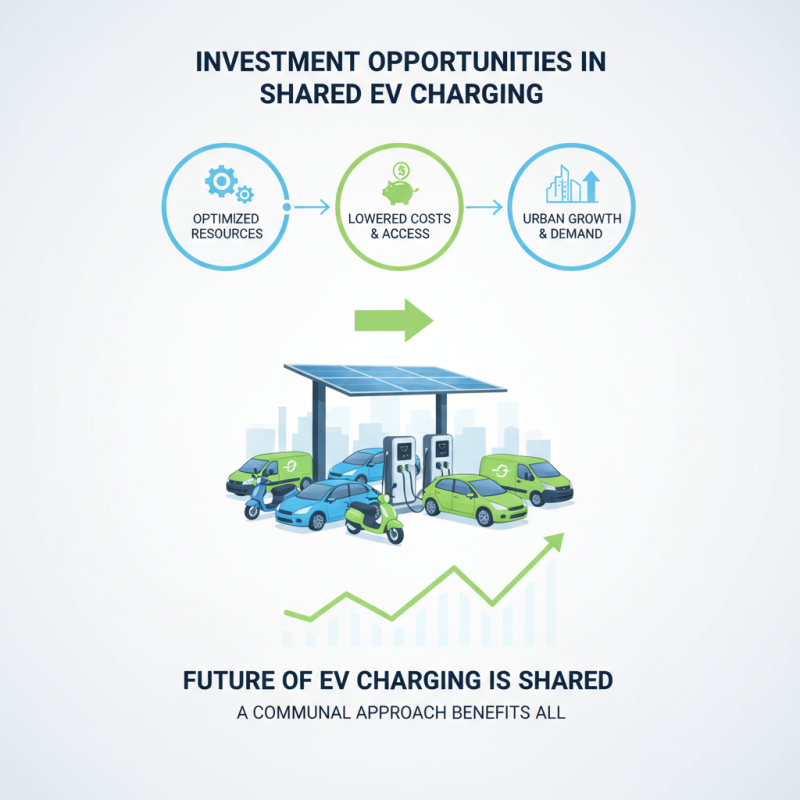
The rise of electric vehicles (EVs) is reshaping our transportation landscape. As more people adopt EVs, the need for convenient and accessible charging solutions grows. Shared Charging Stations have emerged as an essential innovation in this space. They offer multiple users the ability to charge their vehicles simultaneously.
In 2026, various shared charging station innovations are set to enhance user experience. These advancements focus on speed, availability, and smart technology integration. While many options are on the market, the effectiveness of each varies. Some stations offer fast charging, while others prioritize sustainability. This diversity often leads to confusion among users. Are these innovations truly enhancing the charging experience?
As we explore the best shared charging station innovations, we must remain aware of their limitations. Not all locations have infrastructure in place for these stations. Furthermore, reliability can be an issue. Some stations may not function as promised. Balancing accessibility and technology will be crucial for future developments in shared charging solutions.
2026 Trends in Shared Charging Station Technology for Electric Vehicles
The electric vehicle (EV) market is growing rapidly. According to the International Energy Agency, the number of electric cars on the road exceeded 10 million units in 2022. This trend is expected to continue, highlighting the need for innovative shared charging station technology. Cities are beginning to adopt shared charging solutions to meet this demand.
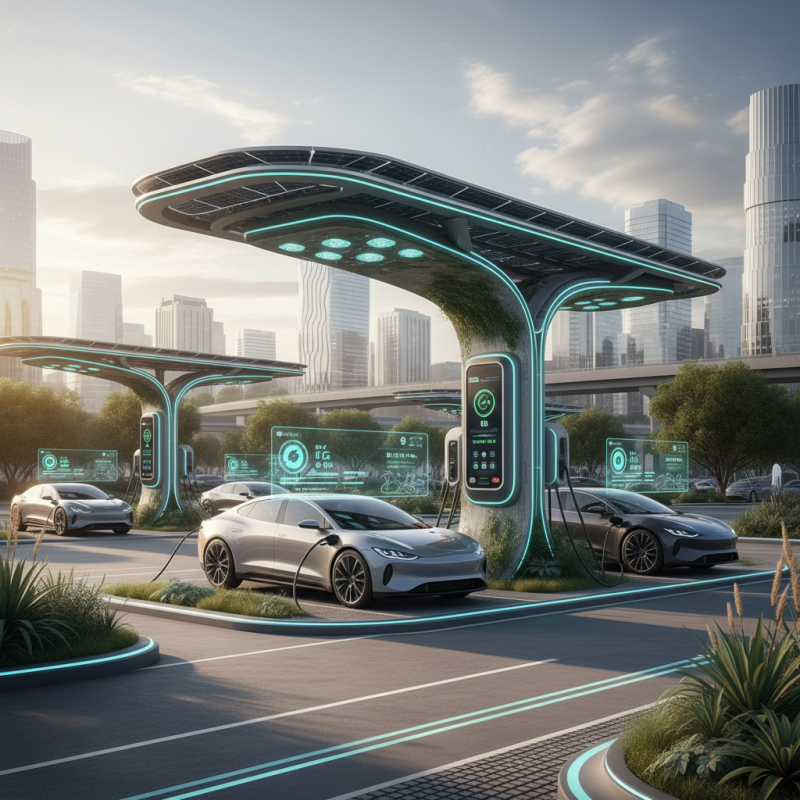
Recent reports indicate that shared charging stations are becoming more efficient. New models incorporate solar power and energy storage. These advancements can reduce operational costs by up to 30%. Moreover, advancements in smart grid technology allow for the integration of charging stations with renewable energy sources. However, challenges remain. Urban congestion can complicate the placement of charging stations.
User experience is a crucial factor. Many existing charging stations lack user-friendliness. A survey by a leading EV research firm revealed that 40% of users find charging station locations inconvenient. Improving this aspect is essential for widespread adoption. The future relies on effective solutions to these issues. As the technology evolves, addressing these pain points will be critical for success in the EV market.
2026 Best Shared Charging Station Innovations for Electric Vehicles
| Innovation Type |
Description |
Key Features |
Deployment Regions |
Estimated Growth Rate (%) |
| Solar-Powered Stations |
Charging stations that harness solar energy to power electric vehicle chargers. |
Eco-friendly, reduced operational costs, low maintenance |
Urban areas, suburban locations |
25% |
| Mobile Charging Units |
Portable charging solutions for on-the-go charging in remote locations. |
Flexibility, higher accessibility, emergency charging |
Rural areas, event venues |
30% |
| Smart Charging Networks |
Integrated systems that optimize charging based on usage patterns and grid load. |
Networked, data-driven, adaptive |
Metropolitan areas, smart cities |
40% |
| Vehicle-to-Grid (V2G) Technology |
Allows electric vehicles to return energy to the grid during peak demand. |
Bidirectional charging, grid stability |
Various, depending on regulations |
35% |
| Wireless Charging Stations |
Stations that use electromagnetic fields to transfer energy wirelessly. |
Convenience, reduced wear on connectors |
Commercial fleets, urban centers |
20% |
Impact of Shared Charging Stations on EV Adoption Rates by 2026
The growing presence of shared charging stations significantly influences electric vehicle (EV) adoption rates. According to a recent report by the International Energy Agency, shared charging infrastructure can increase EV adoption by 30% by 2026. This correlation highlights the convenience and accessibility of charging resources for potential EV users.
Shared charging stations alleviate range anxiety. They offer a reliable solution for those who may not have home charging capabilities. A survey conducted by the Electric Vehicle Association shows that 70% of prospective EV buyers cite charging availability as a critical concern. The development of these shared stations positions cities to address this challenge effectively.
However, the implementation of shared charging stations is not without its obstacles. Issues such as the proper maintenance of facilities and the equitable distribution of charging locations must be addressed. The progress of shared charging infrastructure will depend on collaborative efforts between municipalities and energy providers. As we approach 2026, stakeholders must ensure that these innovations are reliable and accessible for all users, fostering a smoother transition to electric mobility.
Comparative Analysis of Shared Charging Station Innovations Across Major Markets
The landscape of shared charging station innovations is rapidly evolving. Various markets show distinct approaches, driven by local needs and infrastructure. According to a report by Statista, the number of public EV charging stations globally is projected to exceed 2 million by 2026. This growth indicates a pressing demand for reliable and accessible charging options.
In Europe, the focus has been on integration with renewable energy sources. Research shows that countries like Norway and Germany are leading in implementing smart grid solutions. These solutions optimize energy use based on demand, ensuring that charging stations operate efficiently. However, some areas still struggle with grid reliability. In contrast, the United States is investing heavily in highway charging networks, yet the inconsistency in payment systems can deter users.
Emerging markets present another set of challenges. For example, India is making strides with affordable charging solutions, yet public awareness remains low. According to the International Energy Agency (IEA), less than 5% of Indian drivers own EVs. Addressing these issues is key to driving adoption and maximizing the potential of shared charging stations. Overall, while progress is evident, there are still significant gaps that require policy support and technological innovation.
User Behavior and Preferences Towards Shared Charging Station Features in 2026
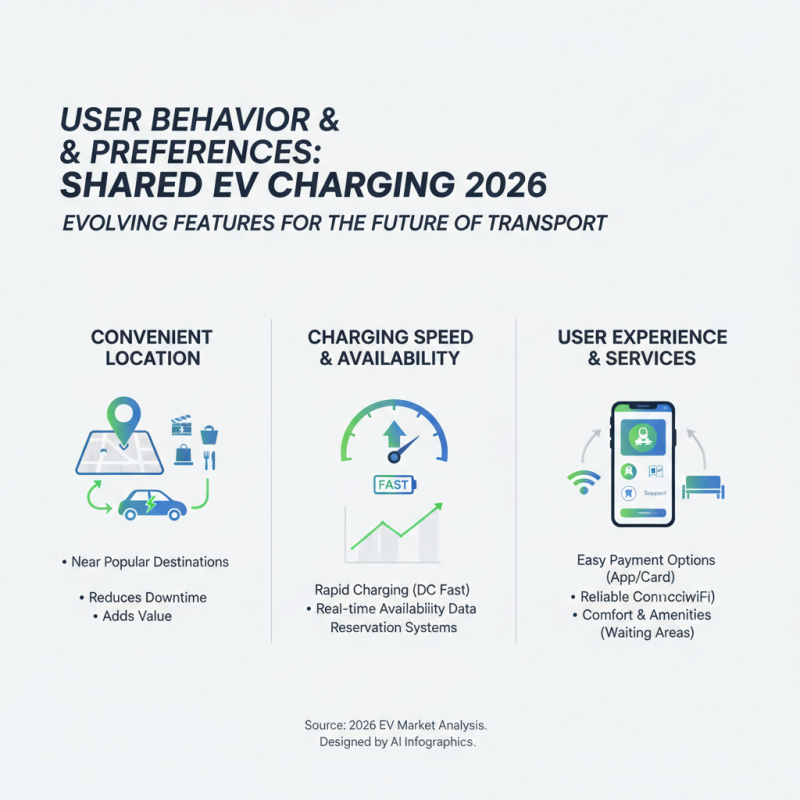
As electric vehicles (EVs) become more common, shared charging stations will evolve. In 2026, user preferences will notably influence their features. A convenient location is essential; drivers prefer charging stations near popular destinations. This reduces downtime and adds value to the experience.
Tips: Look for stations in shopping areas or public transport hubs. This can enhance your time management while charging.
Privacy and security are also crucial. Users want reassurance that their data remains protected. Charging stations should implement strong security measures. This can include encrypted payment systems and privacy policies that are easy to understand.
Despite advancements, not all stations will meet every user’s needs. Charging speed varies significantly. Some users may find lengthy wait times frustrating. This disparity can affect user satisfaction.
Tips: Research the average charging times in your area. Knowing your options can help you avoid delays and choose wisely.
Fueling an EV should be a seamless experience. Manufacturers must listen to user feedback. This will guide the development of future charging infrastructure. Flexibility, speed, and security can help create an optimal charging environment.



 WS Kate
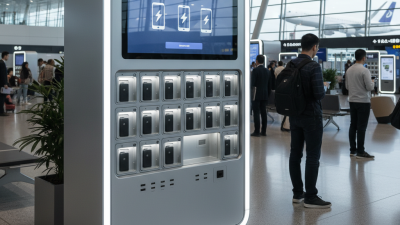
 Weshare Power Bank