What Is the Best Shared Charging Cabinet for Global Buyers?
Choosing the best Shared Charging Cabinet for global buyers requires more than comparing ports, locks, and charging speed. The right cabinet must perform reliably in airports, hotels, schools, offices, and transport hubs. Each location creates different demands. Dust, humidity, unstable electricity, crowded queues, and frequent device changes can quickly expose weak design choices.
Dr. Matthias Preindl, a power-electronics researcher and charging-infrastructure specialist, has stressed, “Charging infrastructure must be designed around real use, not ideal assumptions.” That principle matters here. A cabinet may look impressive in a showroom, yet fail when several users charge devices at once. Buyers should examine thermal management, socket compatibility, cable protection, access control, fire-resistant materials, and remote monitoring. These details are not decorative. They affect uptime, maintenance costs, and user trust.
Global purchasing adds another layer of difficulty. Voltage ranges, plug standards, language settings, warranty support, and replacement-part availability can vary by market. A supplier that answers quickly before the order may become difficult to reach afterward. That risk deserves attention. I have also seen specifications that sound precise but omit charging performance under full load. A careful comparison should test the cabinet in realistic conditions, including peak usage and partial faults.
There is no universal winner. The best Shared Charging Cabinet balances safety, capacity, serviceability, and local compatibility. Buyers should question attractive promises. Small omissions can become expensive problems. This guide examines the practical criteria that separate a dependable cabinet from a merely polished product.
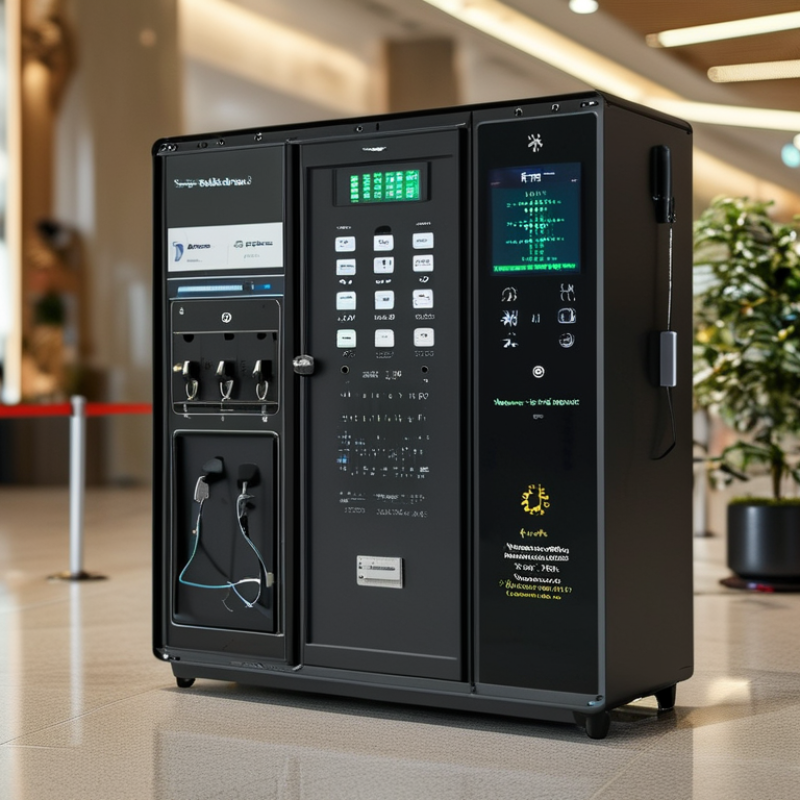
What Is a Shared Charging Cabinet and How Does It Work?
What Is the Best Shared Charging Cabinet for Global Buyers?
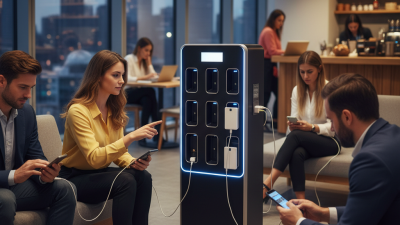
A shared charging cabinet is a lockable, networked enclosure for charging phones, tools, or light electric-vehicle batteries. Users usually scan a QR code, enter a short code, or use an access card. The system assigns an available bay and releases the correct connector. Inside, a controller manages voltage, current, temperature, and charging time. Each compartment may include a smart lock, status light, fire-resistant lining, and an automatic cutoff.
The cabinet also records usage through cloud software. Operators can view occupancy, energy consumption, faults, and overdue items from a dashboard. This matters as public charging expands. The International Energy Agency’s Global EV Outlook 2024 reported more than four million public charging points worldwide at the end of 2023. Public charging stock also grew by about 40% that year. Shared cabinets can support this demand in offices, campuses, rental housing, and transport hubs.
For global buyers, compatibility is more difficult than it looks. A cabinet should support local voltage ranges, replaceable connectors, multilingual interfaces, and recognized electrical safety requirements. Battery chemistry and heat conditions also need careful evaluation. IEC 62477-1 provides safety principles for power electronic converter systems, but certification needs local checking. Bigger is not always better. A crowded cabinet can create heat and maintenance problems. In real installations, weak network coverage and forgotten cables often cause more trouble than software. A pilot unit may reveal those gaps before a large purchase.
Which Features Define a High-Quality Shared Charging Cabinet?
A high-quality shared charging cabinet starts with safe, practical power control. Each port should regulate current and prevent overheating, short circuits, and overcharging. Clear status lights help users understand whether a device is charging. They should not need technical training.
Durable construction matters in busy offices, schools, hotels, and transport areas. Powder-coated metal, protected cable outlets, and tamper-resistant locks can reduce daily damage. Ventilation is essential when many devices charge together. Poor airflow creates heat, noise, and avoidable maintenance problems. I have found that flexible cable lengths also improve usability, especially for tablets and laptops with different port positions. Small details matter.
Global buyers should examine input voltage compatibility, plug options, and documented safety testing. A reliable cabinet may support common charging standards, but universal compatibility is rarely perfect. Some devices still require special adapters. Remote monitoring can show port usage, energy consumption, and fault alerts. This helps facility teams plan repairs before users complain. Access control is useful too, with keys, codes, or staff-managed permissions. However, complicated software can frustrate smaller teams. Simpler systems may perform better in real workplaces. Replacement parts, clear manuals, and responsive technical support also reveal the supplier’s reliability. A low purchase price means little if one damaged cable stops an entire cabinet.
How to Compare Safety, Capacity, Compatibility, and Charging Speed
What Is the Best Shared Charging Cabinet for Global Buyers?
How to Compare Safety, Capacity, Compatibility, and Charging Speed
Safety should be the first comparison point. Look for temperature monitoring, overcurrent protection, insulated wiring, and a lockable enclosure. Ask suppliers for current test reports, material specifications, and maintenance instructions. During cabinet trials, check for heat around power modules after several hours. A cool door can hide internal stress. Do not rely on attractive brochures alone.
Capacity means more than the number of slots. Measure each compartment against the devices your teams actually use. Tablets, laptops, handheld terminals, and rugged equipment need different clearances. Leave space for thick cases and cable bends. A fully packed cabinet may look efficient, but it can obstruct airflow and slow charging. Reserve several compartments for future devices. Forecasts are often wrong.
Compatibility requires careful checking. Confirm connector types, charging protocols, input voltage, plug formats, and regional electrical requirements. Mixed devices may charge at different speeds. The cabinet should manage power without repeatedly disconnecting smaller devices. Compare real charging output when every slot is occupied, not only the best single-device result. Speed matters. So does stability. I have seen cabinets advertise rapid charging, yet reduce output sharply under heat. That detail deserves a written guarantee, although guarantees can still have limits. Check warranty coverage, spare-part access, service response times, and user training before approving a global purchase.
What Is the Best Shared Charging Cabinet for Global Buyers?
Comparison of safety, capacity, compatibility, and charging speed using a 0–100 buyer benchmark.
The benchmark favors cabinets with core electrical protections such as over-current, over-temperature, and surge protection; higher device capacity; support for USB-C Power Delivery, USB-A, and universal 100–240 V input; and higher per-port charging output. Buyers should confirm local electrical compliance, connector requirements, and actual charging performance before purchase.
What Global Buyers Should Check in Compliance and Customization
What Is the Best Shared Charging Cabinet for Global Buyers?
Global buyers should examine compliance before comparing appearance or price. A shared charging cabinet handles electricity, heat, cables, and repeated public use. Request electrical safety reports, EMC test results, material declarations, and fire-resistance information. Check whether documents match the exact model, voltage, and socket configuration. Generic certificates may not prove product compliance in your market.
Rules differ by region. A cabinet for European facilities may need different markings than one for North America or Australia. Ask an accredited testing laboratory or qualified local consultant to review the file. Do not rely on a supplier’s sales summary alone. It sounds efficient, but gaps often appear during import checks or site inspections.
Customization should solve real operating problems. Confirm plug types, charging power, compartment size, ventilation, lock design, display language, and cable replacement methods. A school may need small compartments and rounded edges. A warehouse may need stronger doors, faster charging, and wall anchoring. Ask for a working sample before approving mass production. Measure heat around the power modules after several charging cycles.
A perfect cabinet rarely exists. Some buyers request too many features and create harder maintenance. I have seen attractive designs fail because spare cables were difficult to replace. Reliable suppliers should provide drawings, inspection records, warranty terms, and clear after-sales procedures. Verify production consistency through pre-shipment checks, not promises. Local electrical requirements still deserve independent confirmation.
How to Select the Best Shared Charging Cabinet for Different Markets
What Is the Best Shared Charging Cabinet for Global Buyers?
Selecting the best shared charging cabinet requires market-specific decisions, not a universal product checklist. The International Energy Agency reported over 14 million electric car sales in 2023. China represented nearly 60% of that volume, showing how sharply charging demand can vary by region. However, shared cabinets also serve phones, tablets, laptops, and removable batteries.
Start with local electrical conditions.
Check voltage, plug standards, grounding rules, and available circuit capacity. A cabinet designed for a 110-volt market may require major changes in a 230-volt facility.
Climate matters too. Hot, humid locations need stronger ventilation and corrosion-resistant materials. In colder regions, battery temperature control becomes more important. Small details matter.
User behavior should guide capacity. GSMA Intelligence expects smartphone users to reach about 5.5 billion globally by 2030. Busy transport hubs may need 30 or more compartments, while a small workplace may need fewer than 12. Choose locking methods that suit local habits, such as PIN access, cards, or controlled staff release. Installers often discover that oversized cabinets waste floor space and power. Undersized cabinets create queues. Neither choice is ideal. A pilot installation can reveal peak demand, but one week of data may be misleading. Test weekdays, weekends, and seasonal traffic before finalizing specifications. Check service access, spare parts, fire detection, and remote monitoring requirements before approving the purchase.



 WS Kate
 Weshare Power Bank