Best Shared Power Bank Station Solutions for Your Needs?
In today's fast-paced world, the demand for mobile charging solutions is soaring. According to a recent market report by Grand View Research, the global shared power bank station market is expected to grow at a CAGR of over 20% from 2021 to 2028. This surge is driven by the increasing reliance on smartphones and other portable devices.
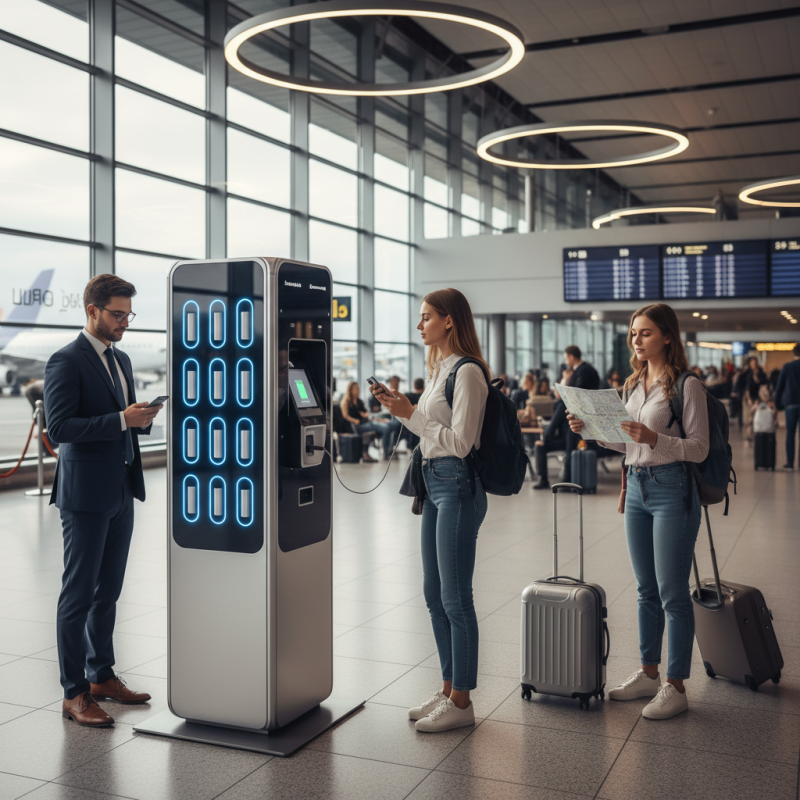
Industry expert Dr. Emily Chen emphasizes the importance of accessibility. She states, "A Shared Power Bank Station provides an essential service in keeping us connected." As businesses and public spaces adopt these stations, consumers benefit from convenient charging options. Imagine being in a bustling airport, where having a nearby shared power bank station can mean the difference between missing a flight and staying connected.
However, not all shared power bank solutions are created equal. Some may lack reliability or convenience, leading to frustration. Businesses must evaluate options carefully to meet user needs. Understanding what works best can elevate the experience and ensure satisfaction in this growing market.
Understanding Shared Power Bank Stations: Definition and Benefits
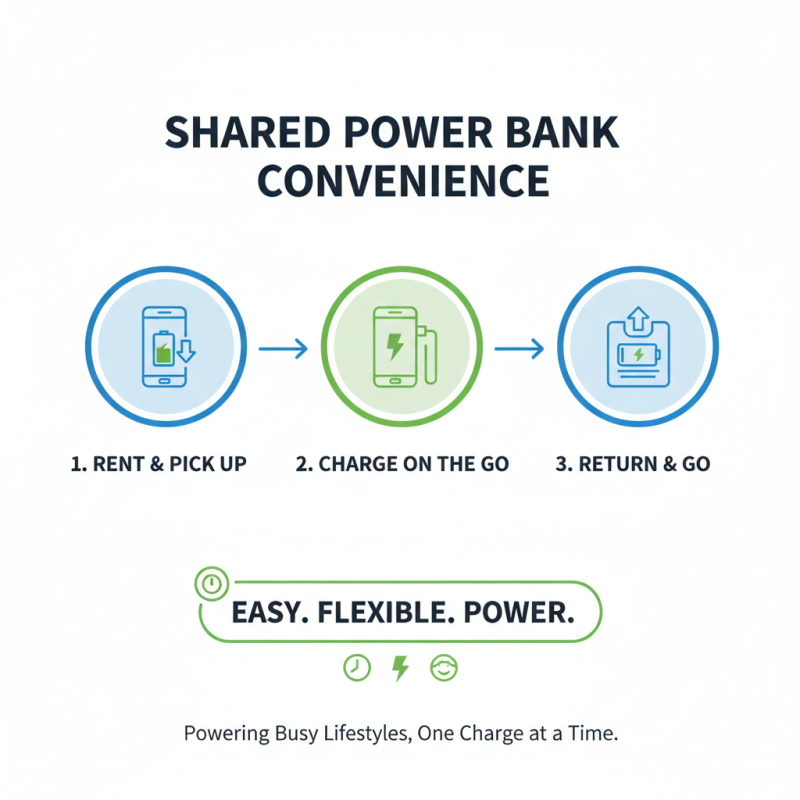
Shared power bank stations offer a convenient solution for charging devices on the go. These stations allow users to rent power banks for short durations. With a user-friendly interface, anyone can rent a power bank easily. Just pick it up, charge your device, and return it when done. This flexibility meets the needs of busy lifestyles.
The benefits extend beyond convenience. Shared power bank stations help reduce the anxiety of low battery life during outings. They are often located in high-traffic areas. Users can explore places without worrying about their devices dying. However, not all stations are placed optimally. Some locations may not have enough units available, creating a challenge for users in need.
Adopting such solutions can also lead to environmental reflections. For instance, reducing battery waste helps promote sustainability. On the flip side, not everyone is familiar with using these stations, which may lead to confusion. Educating users about the process could enhance overall satisfaction. Power bank stations provide unique benefits, but they need continuous improvement for maximum efficiency.
Key Features to Consider When Choosing a Shared Power Bank Station
When choosing a shared power bank station, specific features are crucial. First, consider the charging capacity. Look for power banks with enough juice to charge multiple devices simultaneously. A station should handle various gadgets, from smartphones to tablets. Next, check for compatibility with different brands and charging ports.
Security is another essential feature. Stations should have secure locking mechanisms. Users often leave devices unattended while charging. A robust system reduces theft risk. Also, look for stations with clear usage instructions. Confusing setups can frustrate users and lead to misuse. Clear signage helps.
Finally, think about the design. A compact, sleek station saves space. Mobility can also be a plus. Some stations are easily transportable, which might be useful for events. However, design alone shouldn't overshadow functionality. If the station looks great but underperforms, that’s a significant flaw. Prioritize what meets your needs above all else.
Best Shared Power Bank Station Solutions for Your Needs
Top Solutions and Providers in the Shared Power Bank Market
In the growing shared power bank market, various solutions cater to different user needs. Many locations, like cafes or airports, are adopting shared power bank stations. They provide quick charging options for people on the go. Features vary widely. Some stations offer sleek designs and multiple charging cables. Others focus on eco-friendliness or advanced technology. Users appreciate the convenience but also express frustration when power banks are unavailable.
Choosing the right provider is crucial. Some companies prioritize customer service as a top feature, while others emphasize reliability. Users need to think about where these stations will be located. High foot traffic areas should have power banks easily accessible. Placement is vital, yet not all providers consider this when designing their solutions.
Additionally, pricing models can be confusing. Users have reported mixed experiences with fees and deposit systems. This can lead to unease and reluctance to use shared power banks in the future.
The market for shared power banks continues to evolve. Opportunities exist to improve usability and user experience. Companies can benefit from feedback and implement better designs. Understanding user needs is essential for success. Many potential solutions still need refinement. Implementing user feedback can enhance the overall experience.
Case Studies: Successful Implementations of Shared Power Bank Stations
Shared power bank stations are gaining popularity in various settings. One notable implementation took place in a bustling city square. Visitors often struggled with dead phones during events. The local authority decided to install multiple power bank stations. They partnered with a tech group and designed an attractive system. The stations offered USB and wireless charging options. This increased foot traffic during events and encouraged longer stays.
Another case involved a major university. Students frequently complained about low battery life during long days on campus. The administration installed power bank stations in library lounges and cafes. Feedback was initially mixed. Some students found them convenient, while others experienced occasional technical issues. These problems prompted a dialogue between students and the tech provider. Continuous updates improved reliability. As a result, student satisfaction increased.
Lastly, a popular shopping mall also embraced shared power banks. Shoppers loved the idea but frequently faced issues with availability. Some stations ran out of power units quickly. Management adjusted their strategy by adding more stations and staggered charging times. This adjustment led to a significant increase in user engagement. Observing these real-world applications raises questions about efficiency and sustainability. Continuous improvement is vital for long-term success.
Future Trends: Innovations in Shared Power Bank Technology
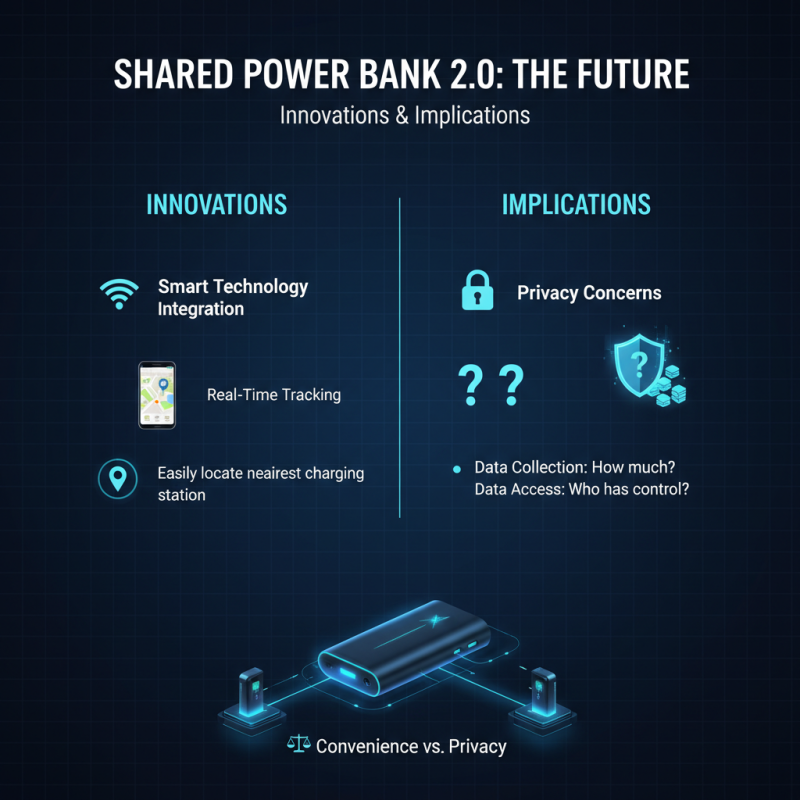
As we look into the future of shared power bank technology, we can expect significant innovations. One area is the integration of smart technology. These power banks could offer real-time tracking. Users will be able to locate the nearest charging station with ease. This feature brings convenience, yet it raises concerns about privacy. How much data will be collected, and who will have access?
Another trend is eco-friendly materials. Many manufacturers are exploring biodegradable options. The need for sustainability is more pressing than ever. However, the challenge lies in balancing cost and environmental impact. Will consumers be willing to pay more for green alternatives? This uncertainty makes the market dynamic but tough to navigate.
Wireless charging is becoming a buzzworthy feature. Imagine sharing power without the hassle of cables. It seems convenient, but efficiency may suffer. How fast will the devices charge? Reliability also needs assessment. These innovations can transform user experiences, but they aren't without flaws. More testing and refinement are required.


 WS Kate
 Weshare Power Bank