China Top Power Bank Cabinet Designs and Innovations for Convenience?
In today’s fast-paced world, the demand for portable charging solutions is skyrocketing. The Power Bank Cabinet emerges as a crucial innovation, addressing the need for convenient charging. This multifunctional furniture combines technology with design, providing users with easy access to power banks in public spaces.
Chinese manufacturers lead in creating sophisticated Power Bank Cabinet designs. They prioritize user experience and aesthetics. Many cabinets feature touch screens, multiple charging ports, and secure storage for power banks. This ensures that customers feel safe while charging their devices. The sleek designs can blend seamlessly into modern environments, enhancing overall appeal.
Despite their advancements, there are areas for improvement. Some users report that cabinets can be heavy and bulky, limiting placement options. Others find that the technology sometimes malfunctions. As innovations continue, feedback from users will be vital for future designs. This dialogue between user experience and product development is essential for refining Power Bank Cabinets and ensuring their reliability in everyday life.
Overview of Power Bank Cabinets: Purpose and Importance
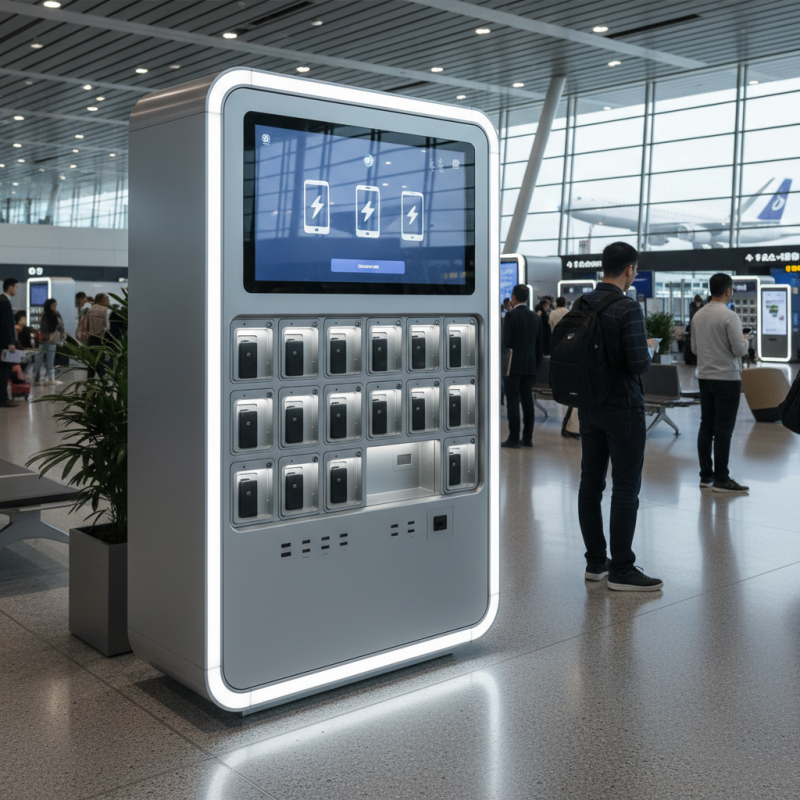
Power bank cabinets serve a vital role in our increasingly mobile society. They provide a convenient way to charge devices on the go. According to a recent industry report, over 50% of smartphone users experience battery anxiety, highlighting the importance of easily accessible charging solutions.
These cabinets are designed for high traffic areas, such as malls and airports. Their presence can significantly improve user experience. A study found that 40% of users would stay longer in venues that offer charging stations. This statistic underscores the relevance of these innovations in enhancing customer satisfaction.
Despite their benefits, there are challenges. Maintenance and power supply issues often arise. Some users express frustration when encountering malfunctioning units. Continuous improvements are essential to increase reliability. Overall, power bank cabinets are essential for modern connectivity, yet they need ongoing refinements.
China Top Power Bank Cabinet Designs and Innovations for Convenience
| Design/Feature |
Functionality |
Material |
Capacity (mAh) |
Charging Ports |
Dimensions (cm) |
| Sleek Modern Design |
User-friendly interface with touch screen |
Aluminum Alloy |
20000 |
4 USB ports |
30 x 20 x 15 |
| Compact Portable Unit |
Easy to carry, ideal for events |
Plastic with UV coating |
10000 |
2 USB ports |
25 x 15 x 10 |
| Smart Charging Cabinet |
Automatically detects device type |
Steel Frame |
30000 |
6 USB ports + Type-C |
35 x 25 x 20 |
| Solar Charging Station |
Works on solar energy |
Recycled Plastic |
15000 |
4 USB ports |
30 x 18 x 15 |
| Multi-device Charging Hub |
Charges multiple devices simultaneously |
Wooden finish |
25000 |
5 USB ports + 1 wireless pad |
32 x 22 x 14 |
Key Features of Innovative Power Bank Cabinet Designs
Innovative power bank cabinets have become essential in our tech-driven lives. They address the constant need for charging devices. Key features of these designs enhance user experience and convenience. Accessible locations make it easy for users to find stations. Well-lit areas and clear signage also improve usability.
Reliability is a crucial trait of these cabinets. They typically include multiple charging slots for different devices. This versatility caters to various user needs. Security features, such as lockable compartments, ensure that items are protected when not in use. Some cabinets even incorporate tamper-proof technology, reducing theft risk.
However, not all designs are perfect. Some locations face issues with availability and functionality. Regular maintenance is necessary to keep the equipment in top condition. User feedback can sometimes highlight usability challenges. These insights are essential for future developments, ensuring that power bank cabinets continue to evolve and improve.
Popular Power Bank Cabinet Models in China
In recent years, the demand for power bank cabinets has surged in China. These cabinets offer convenient charging solutions in public areas like malls, airports, and cafes. Several popular models have emerged, each focusing on maximizing user convenience while maintaining security and ease of use.
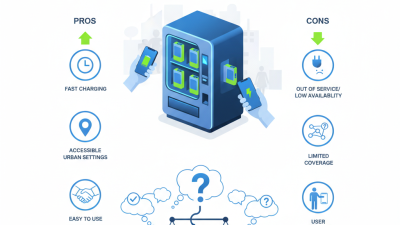
One notable design incorporates user-friendly touch screens. Users can easily navigate options for rental or charging services. Additionally, cabinets come equipped with charging cables for various devices. However, some users express concerns about availability during peak times. Stock levels can fluctuate, which may lead to frustration for those in urgent need of a charge.
Another innovation includes solar-powered cabinets, enhancing eco-friendliness. These units can be placed outdoors, making them useful in parks and public squares. Despite their environmental benefits, they often struggle with charging capacity on cloudy days. As the demand for power bank cabinets grows, solutions to these challenges will likely evolve.
Popular Power Bank Cabinet Models in China
User Convenience Enhancements in Modern Power Bank Cabinets
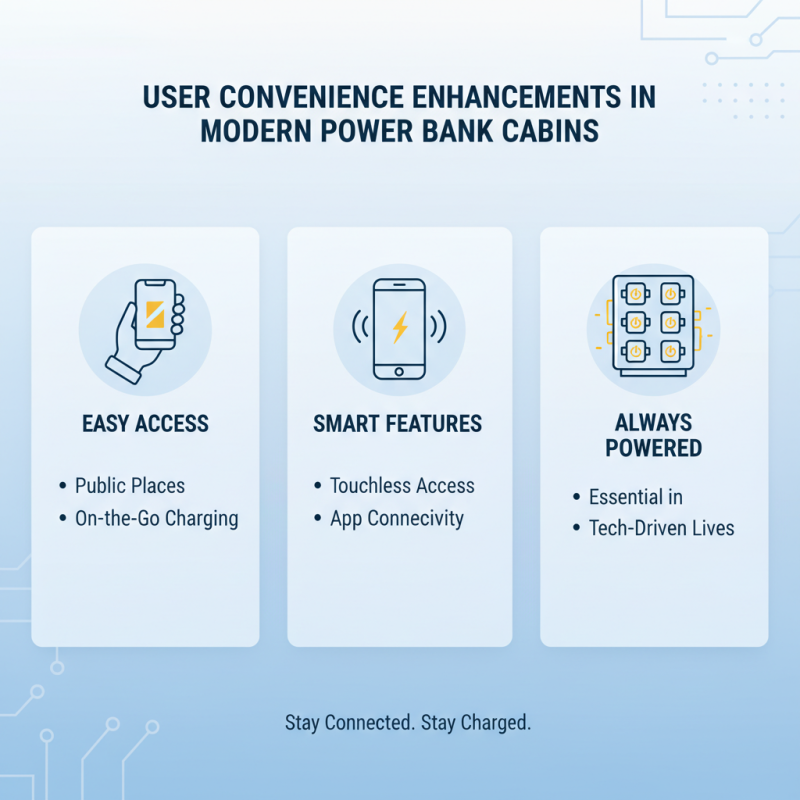
Power bank cabinets have become essential in our tech-driven lives. With advancements in design and functionality, modern cabinets focus on user convenience. They provide easy access to power banks in public places, ensuring devices stay charged on-the-go. Smart features, such as touchless access and app connectivity, are increasingly popular.
Tips: Look for cabinets with adjustable charging ports. This allows compatibility with various devices. Consider models that indicate power availability. Visual cues reduce uncertainty.
Not all designs are flawless. Some cabinets may lack essential features like adequate security or weather resistance. Insufficient power outputs can lead to frustration. It's crucial to choose wisely based on location and usage.
Also, think about the overall aesthetic. A cabinet should blend with its environment. Outdated designs may deter users. Convenience and style go hand in hand in today’s market. Users want both functionality and visual appeal.
Future Trends in Power Bank Cabinet Technology and Design
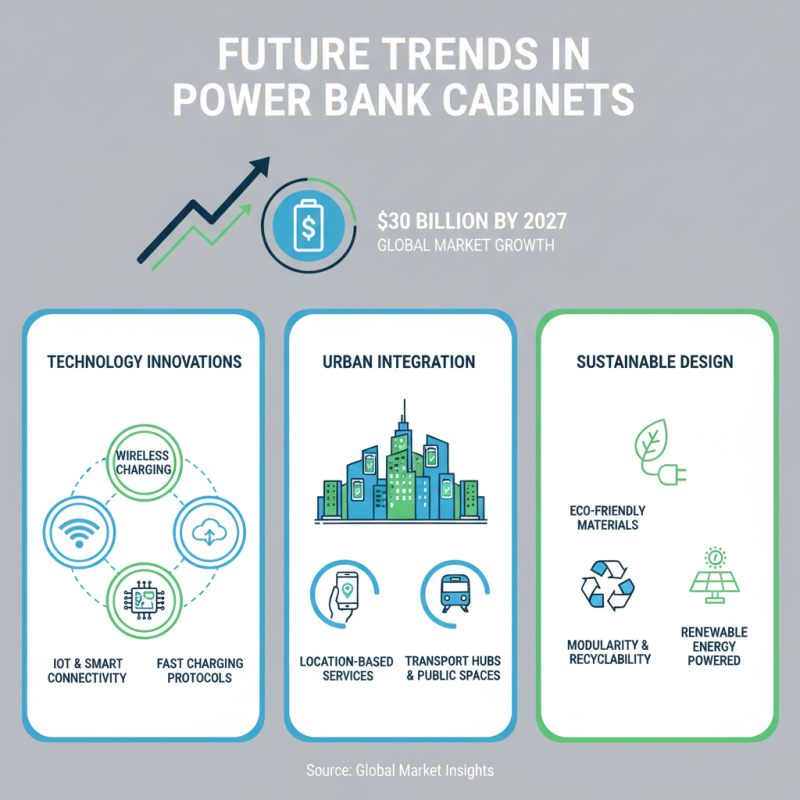
The future of power bank cabinets is an exciting area for innovation and design. A recent report by Global Market Insights predicts the power bank market will reach $30 billion by 2027. This growth indicates a rising demand for convenient charging solutions, especially in urban areas.
One trend gaining traction is the integration of IoT technology. Smart cabinets now allow users to track battery levels through mobile applications. This innovation enhances user experience and promotes efficient charging. However, creating a seamless user interface remains a challenge. Some cabinets do not provide real-time updates, leading to potential frustrations for users relying on connectivity.
Sustainability is another critical aspect influencing design. Industry experts suggest that incorporating eco-friendly materials could increase cabinets' appeal. A survey showed that over 70% of consumers prefer sustainable products. However, many designs still rely on traditional materials, which may not align with future consumer expectations. Balancing aesthetics with functionality and sustainability is a complex but necessary task for designers.
In conclusion, the dynamic landscape of power bank cabinets is evolving. As technology advances and user preferences shift, continuous innovation will be vital for success in this sector.





 WS Kate
 Weshare Power Bank