Electric vehicle adoption is moving from early enthusiasm into everyday infrastructure planning. The International Energy Agency reported more than 17 million electric cars were sold worldwide in 2024, representing over 20% of global car sales. That growth changes the question from “Can we install a charger?” to “Will this charger serve people reliably?”
A Shared Charging Station can support apartment residents, office employees, hotel guests, or visitors at a retail site. However, the best choice depends on real operating conditions. The IEA’s Global EV Outlook 2024 indicates that public charging capacity may need to expand roughly sixfold by 2035 under stated policy scenarios. That pressure makes uptime, load management, and future expansion important selection criteria. A station that works well for ten vehicles may struggle when thirty drivers arrive after work.
Look closely at the physical details. Is the cable long enough for different parking layouts? Can drivers pay without downloading an unfamiliar app? Does the system balance power during peak demand? The U.S. Department of Energy’s Alternative Fuels Data Center also emphasizes connector compatibility, network availability, and station status as practical user concerns. These details are easy to overlook.
There is no perfect model. Some high-speed chargers cost more and may require electrical upgrades. Some shared units save space but charge vehicles more slowly. This guide compares those trade-offs for 2026, using reported market trends, technical requirements, and practical site experience. The goal is not the most impressive specification sheet. It is dependable charging that people can actually use.
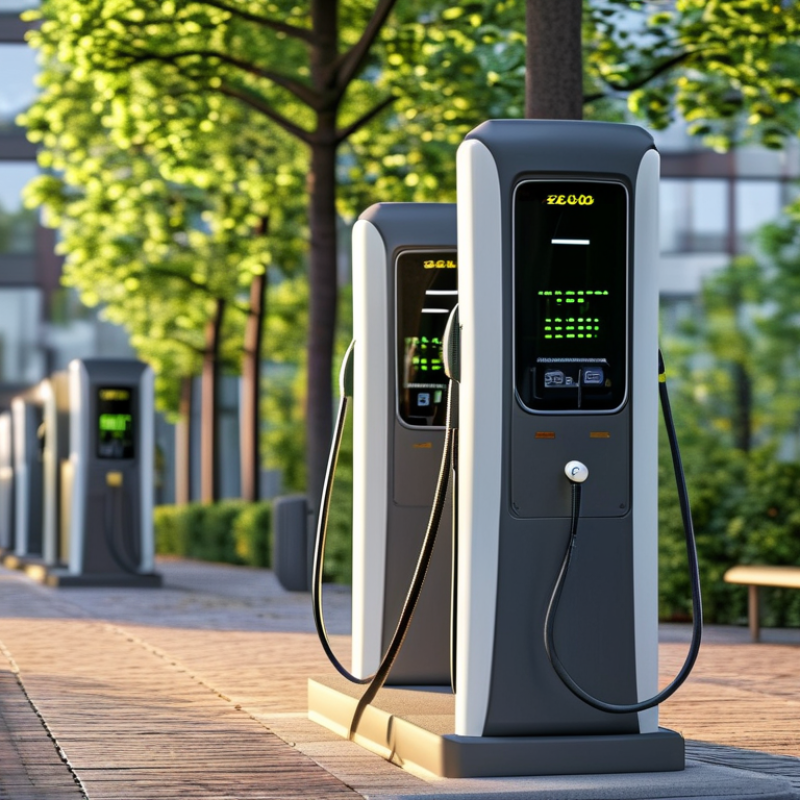
Shared charging stations serve different daily routines, not just different vehicle models. AC destination chargers suit apartments, offices, hotels, and shopping centers. Vehicles can stay for several hours. DC fast chargers fit highways, taxi areas, and busy urban sites. Drivers usually need a short stop. Fleet or depot chargers support scheduled overnight charging, often with load management. Speed is not everything.
The International Energy Agency’s Global EV Outlook 2024 reports more than four million public charging points worldwide in 2023. Over 1.3 million public points were added that year. This growth makes site planning more important. Check average parking time, electrical capacity, weather exposure, accessibility, and expected peak demand. A ten-bay workplace may need fewer high-power outlets than a small taxi hub. The use case decides the charging mix.
In real projects, planners sometimes buy the fastest equipment available. That choice can waste money when cars remain parked for eight hours. Select stations with dynamic power sharing, clear payment access, remote fault alerts, and upgradeable software. The U.S. Department of Energy’s Alternative Fuels Data Center also emphasizes connector compatibility and accurate station information. Reliability includes simple cable handling and visible status lights. The imperfect part is forecasting demand. Start with measured parking and charging data, then review utilization quarterly. A smaller system with room to expand may outperform an oversized installation.
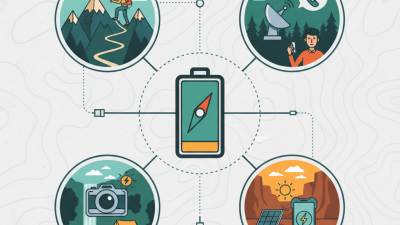
Choosing a shared charging station in 2026 starts with device compatibility. Check every connector, not only the outlet shape. A device may physically connect but charge slowly if its protocol is unsupported. USB-C Power Delivery, wireless charging, and legacy connectors can behave differently. Read the station’s compatibility table and compare it with your phone, tablet, laptop, watch, or other equipment.
Power output matters just as much. A station may advertise 100 watts, yet that figure can represent the total output. When several devices connect, power may be divided between ports. Look for the wattage of each port and the station’s power-allocation rules. A laptop often needs more power than a phone. Confirm the required input rating in the device manual. Do not rely on cable appearance alone.
Charging standards also affect speed, heat, and reliability. Select equipment that supports recognized power-delivery and wireless-charging standards, with clear overheat and overcurrent protection. Independent safety testing and complete technical documentation provide stronger evidence than impressive packaging. In a real shared office, I would test each port with the actual cables used daily. That exposes weak connections quickly. I once assumed every USB-C cable performed equally; it did not. This small mistake changed my checklist. Specifications can also change, so recheck them before purchase.
A shared charging station should protect people before it maximizes charging speed. Look for residual-current protection, overcurrent protection, temperature monitoring, and a durable, weather-resistant enclosure. Safety labels should be clear enough for a tired user at night. Independent testing and certification to applicable electrical standards add valuable evidence.
During site checks, I also inspect cable storage, connector condition, emergency shutdown access, and ventilation. Small details matter. A damaged cable can create more trouble than a powerful charger solves.
Capacity must match real demand, not an optimistic spreadsheet. Review the number of charging ports, maximum output, load balancing, and peak-hour performance. A station with eight ports may slow sharply when every vehicle arrives after work.
Access control should support secure identification, temporary guest access, usage records, and permission management. Options may include cards, mobile authentication, or keypad entry. Keep a manual fallback available. Systems fail sometimes.
Tips:
Test the station during its busiest hour before purchasing. Ask for maintenance response times, replacement-part availability, software update practices, and historical uptime data. Check whether administrators can remotely see faults and reset a port safely.
I would also ask who owns the usage data and how long it is retained. Reliability is more than a successful demo.
My own mistake was judging a unit by its first week of operation; later, repeated connection errors exposed weak maintenance planning. Leave room for that possibility.
Choosing a shared charging station in 2026 starts with the installation site, not the equipment catalogue. Inspect available electrical capacity, cable routes, parking layout, drainage, lighting, and network coverage. A station may fit beside a wall but still block accessible movement or emergency access. Ask a qualified electrician to review the load calculation and protection requirements. My early project estimates were too optimistic because trenching and surface repairs were underestimated.
Tips: Photograph the site at different times. Record peak parking demand, cable lengths, and nearby electrical panels. Leave space for future expansion, but avoid paying for unused capacity today.
Total cost includes more than the purchase price. Include permits, civil works, electrical upgrades, software access, payment processing, signage, inspections, and staff training. Compare energy tariffs and expected usage across several years. A cheaper installation can become expensive when users queue, cables are damaged, or faults require long visits. Maintenance planning should specify inspection intervals, remote monitoring, cleaning, spare parts, and response times. Keep a simple fault log with dates, symptoms, and repair costs. It reveals recurring problems that invoices may hide. Not every estimate will be accurate; seasonal demand and construction surprises can change the budget. Review assumptions quarterly and adjust the maintenance reserve when actual usage becomes clearer.
Choosing a shared charging station in 2026 means planning beyond today’s queue. The IEA’s Global EV Outlook 2025 reports that electric car sales exceeded 17 million worldwide in 2024. They represented more than one-fifth of new car sales. A station serving six vehicles today may face double that demand soon.
Start with measured usage, not guesses. Record peak arrival times, average charging duration, vehicle types, and local electricity capacity. Select a system with modular power cabinets, spare conduit, and room for additional connectors. Dynamic load management can distribute power without forcing an expensive grid upgrade. The U.S. Department of Energy also stresses reliable uptime, accessible design, and clear maintenance planning for public charging infrastructure.
Tips: Leave physical space for expansion. Check the panel capacity. Require open communication standards. Ask for service-response times in writing. Review data every quarter.
A practical design may begin with eight charging points but support sixteen later. Cable routing, drainage, lighting, and parking circulation matter more than attractive screens. I have seen projects underestimate installation space. That mistake is costly. However, oversizing equipment can waste capital when utilization remains low. The best decision balances current demand, five-year traffic estimates, and the site’s upgrade limits. The IEA’s Global EV Outlook 2025 notes that public charging deployment must accelerate as electric vehicle adoption grows. Forecasts can still be wrong. Build flexibility, not certainty.
| Selection Dimension | Current Demand Indicator | Future Expansion Consideration | Recommended Specification for 2026 |
|---|---|---|---|
| Number of Charging Ports | Low demand: 2–4 ports for small residential buildings or workplaces. Medium demand: 5–12 ports for shared parking facilities. |
Estimate expected electric-vehicle adoption and reserve space for additional parking bays, conduit, and cables. | Scalable design Install the number of ports required today, while preparing electrical pathways and parking layouts for at least 25–50% additional ports. |
| Charging Power per Port | AC charging at 7.4–22 kW is suitable for vehicles parked for several hours, such as at homes, offices, hotels, and apartments. | Higher-power charging may be needed when vehicle turnover increases, but it can require larger cables, switchgear, and utility capacity. | Balanced choice Use 11–22 kW AC ports for long-stay shared parking. Select DC charging only where vehicles typically stay for a short period. |
| Total Site Capacity | Calculate capacity from the simultaneous charging load, not only from the number of installed ports. | Future ports may exceed the original building or site electrical capacity if expansion is not planned in advance. | Plan ahead Confirm available service capacity with a qualified electrical professional and reserve switchboard space for future circuits. |
| Load Management | Basic charging schedules can prevent several vehicles from charging at full power at the same time. | Dynamic load balancing becomes increasingly valuable as more ports are added or when the site has limited grid capacity. | Essential feature Choose station controllers that can distribute available power among active vehicles and reduce peak demand. |
| Connector Compatibility | AC charging commonly uses Type 2 connectors in many regions, while other markets use different standards. DC connector requirements also vary by market. | Connector standards and vehicle mix can change over time, especially in mixed fleets and public parking locations. | Market-aligned Select connectors required by the local vehicle population and verify compliance with current regional regulations before installation. |
| Electrical Protection | Shared installations require appropriate overcurrent protection, grounding, residual-current protection, and surge protection. | Expansion can affect fault levels, distribution-board loading, cable sizing, and protection coordination. | Safety first Use equipment certified for the installation region and have the complete system designed, installed, and tested by qualified personnel. |
| Network and Access Control | Local access may be sufficient for a small private site. Shared facilities often need user authentication, session records, and remote monitoring. | More users and locations increase the need for centralized administration, usage data, remote diagnostics, and software updates. | Connected operation Choose open communication support, role-based access, remote status monitoring, and secure software-update capability. |
| Payment and User Authentication | Private sites may use resident or employee access cards. Public or semi-public sites may need contactless payment or account-based access. | Adding payment methods later can be difficult if the station lacks the required hardware, connectivity, or software support. | Flexible access Support the access methods appropriate to the site, such as RFID, mobile authentication, or contactless payment where legally and commercially required. |
| Availability and Maintenance | Users expect charging equipment to be available whenever parking access is available. A single failed unit can significantly affect a small site. | As utilization rises, preventive maintenance and remote fault alerts become more important than reactive service alone. | Service-ready Select equipment with remote diagnostics, replaceable components, clear warranty terms, and locally available technical support. |
| Weather and Environmental Rating | Outdoor stations must withstand rain, dust, temperature variation, impact, and repeated cable handling. | Future relocation or expansion may place equipment in more exposed areas or in parking structures with different environmental conditions. | Site matched Verify the enclosure, impact, corrosion, operating-temperature, and ingress-protection ratings against the actual installation environment. |
| Cable and Parking Layout | Charging cables should reach vehicles without crossing pedestrian routes or creating trip hazards. | Additional bays, accessibility requirements, traffic flow, and parking reconfiguration may affect the final layout. | Future-proof layout Use clearly marked bays, cable-management measures, protective barriers where needed, and reserved routes for future cabling. |
| Installation Cost | Equipment cost is only one part of the budget; civil works, cabling, protection, permits, networking, and commissioning can be substantial. | Installing spare conduits and capacity during the first project is often less disruptive than carrying out major construction later. | Compare total cost Evaluate purchase, installation, electricity upgrades, software, maintenance, payment fees, and expected expansion costs over the equipment life. |
| Renewable Energy and Energy Storage | On-site solar generation can offset some daytime electricity use but may not match the charging schedule. | Solar, battery storage, and managed charging can help reduce grid peaks where site conditions and economics support them. | Optional optimization Choose an energy-management platform that can integrate with renewable generation or storage if these systems are part of the long-term plan. |
| Accessibility and User Experience | Clear instructions, visible status indicators, adequate lighting, and accessible parking dimensions reduce user errors and complaints. | Growth in user numbers increases the importance of consistent signage, queue management, and accessible operation. | User-centered Provide readable instructions, simple start-and-stop procedures, suitable lighting, accessible controls, and signage that follows local requirements. |
| Regulatory Compliance | Electrical, construction, accessibility, fire-safety, data-protection, and payment regulations may apply depending on the site and jurisdiction. | Regulatory requirements can change as charging infrastructure becomes more widely deployed. | Verify locally Obtain current requirements from the relevant authorities and use an appropriately qualified designer, installer, and inspector. |