How to Choose the Best Emergency Power Bank for Your Needs?
When disaster strikes, having an Emergency Power Bank can make a significant difference. These devices provide a reliable source of energy during power outages or emergencies, ensuring you stay connected. However, with so many options available, choosing the right one can be overwhelming.
An ideal Emergency Power Bank must match your specific needs. Consider the capacity, charging speed, and additional features. A higher capacity is crucial for extended outages. Charging speed matters, especially if you’re in a hurry. Features like multiple ports and built-in flashlights can enhance usability in crises.
Investing in the best Emergency Power Bank empowers you to tackle unforeseen events confidently. Reflecting on your personal requirements and priorities will help you make an informed choice. It is essential to evaluate products thoroughly, as not all options meet high standards. Stay prepared and informed, and choose wisely to ensure safety and reliability in challenging times.
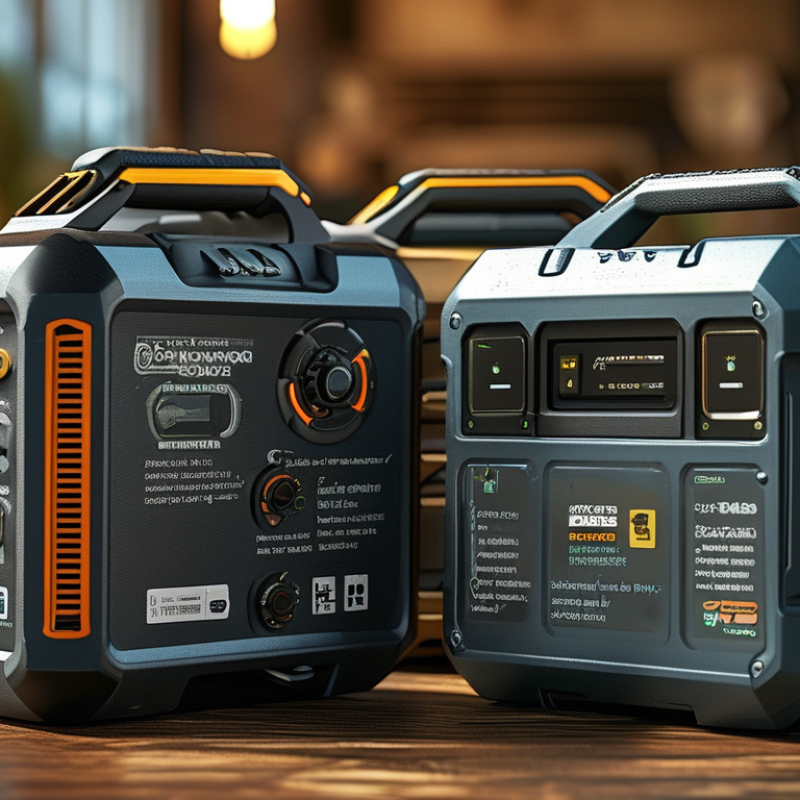
Understanding Your Power Needs: Evaluate Device Compatibility
When choosing an emergency power bank, understanding your power needs is crucial. Start by evaluating the devices you rely on daily. Laptops, smartphones, and tablets all have different power requirements. Check your devices' power ratings—most are listed in watt-hours (Wh) or milliamp-hours (mAh). This information helps you compare options effectively.
Consider how much power you'll need during outages. A power bank with a higher capacity is beneficial for multiple charges. Remember, some devices drain power quickly while others are more efficient. A power bank’s compatibility with your devices is essential. Look at output ports: USB-C, USB-A, or even wireless charging. Each device might require different connectors. If you're unsure about compatibility, it can lead to ineffective charging.
Real-life usage often reveals hidden challenges. Users might find that a powerful power bank still fails to meet their needs during emergencies. This can stem from underestimating usage patterns or forgetting to charge the bank itself. Regular testing and feedback from others can improve your understanding of what will work for you in emergencies. Making informed decisions is about learning from these experiences.
Capacity Matters: How to Determine the Right Power Bank Size
When choosing a power bank, capacity is crucial. The capacity indicates how much energy it can store, usually measured in milliampere-hours (mAh). A power bank with 10,000 mAh can fully charge most smartphones two to three times. However, not every user needs the same capacity. Frequent travelers may prefer higher capacities, while occasional users can opt for smaller models.
Data from the Consumer Technology Association reveals that 62% of consumers prioritize power bank capacity when making a purchase. Understanding your device's battery size helps. For instance, if your smartphone has a 3,000 mAh battery, a 10,000 mAh power bank offers substantial backup. Yet, larger capacity often translates to additional weight, which may not be ideal for daily carry.
It's also important to consider the charging speed. Many modern power banks support fast charging, which can significantly reduce downtime. However, this feature could drain the power bank quicker than expected. Recent research indicates that users should balance capacity and charging speed to meet their daily needs. Ultimately, an informed choice on power bank capacity can enhance reliability, making your devices more dependable in emergencies.
Portability and Design: Choosing the Right Form Factor for Travel
When traveling, portability matters. An ideal emergency power bank must fit easily into your bag. A recent industry report indicates that nearly 70% of travelers prefer power banks under 10 ounces. This weight makes them more convenient to carry, ensuring they are always within reach.
Design also plays a crucial role in selection. A compact shape allows for easy storage and access. Many users report struggling with bulky devices. A thinner, streamlined design can significantly enhance user experience. Reports show that streamlined power banks are 30% more likely to be chosen for travel. Users value the ability to charge multiple devices simultaneously, yet find this feature cumbersome in larger models.
Consider the material and build quality. Power banks made from durable materials withstand travel demands. According to industry studies, durability can enhance product lifespan by up to 40%. This is particularly essential for frequent travelers. A balance between lightweight and robust design needs careful evaluation. Always assess how often you might need to recharge your devices while on the go. Thoughtful choices lead to better travel experiences.
Charging Speed: Assessing Output Power and Fast Charging Features
When selecting an emergency power bank, charging speed is imperative. Output power determines how quickly your devices recharge. Standard power banks typically deliver 5W to 18W. A device requiring 20W will take longer than one that supports fast charging. The need for speed becomes critical during emergencies.
Fast charging features can significantly impact utility. Reports show that fast charging can decrease charging time by as much as 70%. Devices like smartphones and tablets benefit most. However, not all devices support high-output charging. Users must check compatibility before relying on these features.
Power output can also vary based on battery capacity. A 10,000mAh bank with 18W output charges faster compared to a 20,000mAh model with the same output. Confusion arises here, as many assume larger batteries always charge faster. It is crucial to balance capacity with charging capabilities. Understanding these nuances enhances the reliability of your power bank choices.
Additional Features: Exploring Built-in Extras for Enhanced Use
When choosing an emergency power bank, built-in features matter a lot. Many models now come with additional functionalities. For instance, some include LED flashlights, which can be invaluable in dark situations. According to a recent industry report, around 65% of users find multi-functional devices more appealing. This trend indicates a shift towards versatility in portable charging solutions.
Another interesting feature is fast charging capability. Power banks with Quick Charge technology can recharge devices faster than standard models. Research shows that 70% of consumers prefer devices that support quick recharges. This preference emphasizes the importance of time efficiency in emergencies. However, such features often come at a higher price point, which could be a barrier for some.
Wireless charging is also gaining popularity. Many users appreciate the convenience of eliminating cords. Yet, it's worth noting that not all devices support this feature. Users should verify compatibility before relying on it in critical moments. Balancing these features with your actual needs can be challenging, but it ultimately leads to a better choice for emergency preparedness.



 WS Kate
 Weshare Power Bank