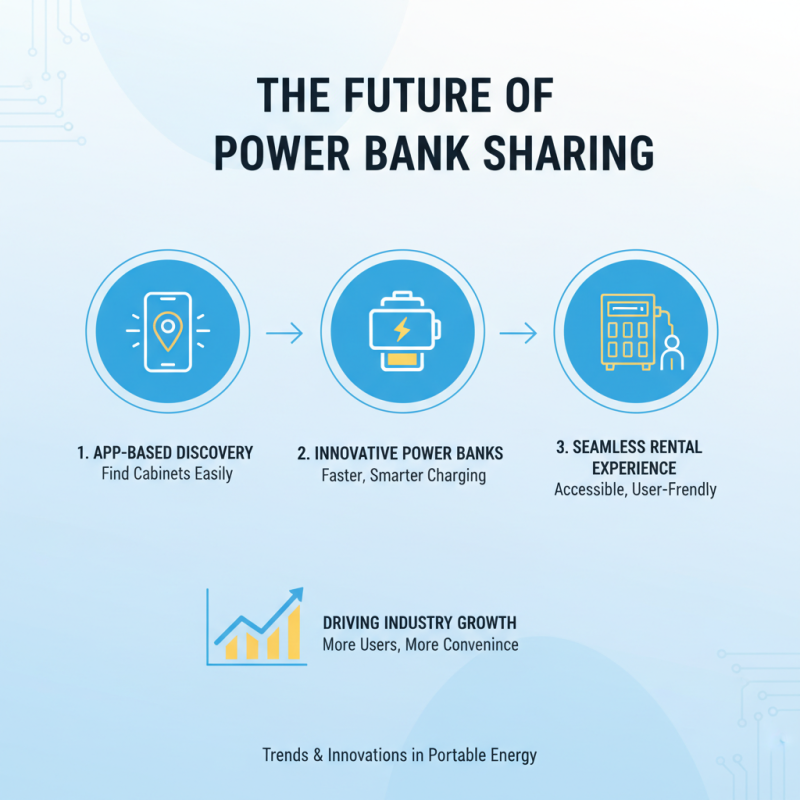
10 Essential Tips for Using Power Bank Sharing Cabinets Effectively
In recent years, the popularity of Power Bank Sharing Cabinets has surged. According to a report by Market Research Future, the global power bank market is projected to reach $25 billion by 2026. This growth reflects the increasing reliance on mobile devices and the need for reliable charging solutions. Industry expert Dr. Emily Tan states, “The convenience of power bank sharing is transforming how we interact with technology in public spaces.”
Power Bank Sharing Cabinets offer users easy access to charging solutions on-the-go. Often found in high-traffic areas, these cabinets serve as vital resources for commuters and travelers. Nevertheless, many users struggle to maximize the benefits of this innovative service. Understanding how to effectively utilize these cabinets can enhance the user experience significantly.
Despite their growing popularity, challenges still exist. Users often report frustration with device compatibility or availability. Addressing these issues requires awareness and adaptation. With the right approach and knowledge, you can make the most of Power Bank Sharing Cabinets, ensuring your devices stay charged when you need them most.

Importance of Power Bank Sharing Cabinets in Modern Urban Life
Power bank sharing cabinets have become vital in today's urban environments. As cities grow larger, people rely more on their devices for communication, navigation, and information. A dying phone battery can cause significant stress. Power bank sharing cabinets address this issue by offering accessible charging solutions. These cabinets are strategically placed in key locations, allowing individuals to borrow power banks when needed. This enhances convenience and helps maintain a continuous connection to the digital world.
However, while these cabinets provide essential services, they also highlight some areas for improvement. Users sometimes forget to return the power banks in a timely manner. This results in shortages for others who may need them. Additionally, some cabinets may suffer from occasional technical glitches that disrupt service. Regular maintenance is crucial in ensuring reliability. Urban planners and service providers must prioritize the upkeep of these systems to better serve the public. Balancing accessibility and responsibility is key to maximizing the benefits of power bank sharing cabinets in modern life.
Key Features to Look for in Power Bank Sharing Cabinets
When using power bank sharing cabinets, key features greatly impact efficiency. Look for cabinets with multiple charging ports. This allows several users to charge devices simultaneously. A good cabinet should also accommodate various cable types, ensuring compatibility with all smartphones and gadgets. Clear labeling is essential. Users should quickly identify which ports to use for their devices.
Another crucial feature is real-time monitoring. Cabinets that display battery levels are preferred. Users can see available power banks before renting one. Security features also matter. Reliable cabinets should have heavy-duty locks to prevent tampering. User-friendly interfaces are beneficial, making the rental process simple and fast. Finally, check the energy efficiency of the cabinets. Sustainable options contribute positively to the environment.
Yet, not every cabinet can meet these needs perfectly. Sometimes, the placement of cabinets can limit accessibility. Users might find them in crowded areas, making retrieval challenging. Inconsistent maintenance can lead to low battery levels or downtime. All these factors need consideration for effective usage.
Power Bank Sharing Cabinets Usage Insights
Statistics on Power Bank Usage and Battery Lifespan in Shared Systems
Power bank usage has surged in recent years. A report by Statista found that approximately 30% of smartphone users frequently rely on portable chargers. This growing reliance highlights the significance of battery lifespan in shared power bank systems. Currently, most power bank models are designed for 500-1000 recharge cycles. After this point, battery performance declines significantly.
The lifespan of batteries in shared systems can be concerning. A 2023 study indicated that over 20% of users experience inadequate charging due to worn-out batteries. Often, these batteries are not monitored or replaced promptly. This neglect can lead to user dissatisfaction and affect the service's reputation. Consequently, operators must implement regular maintenance checks.
Additionally, the average charging time is crucial. Many users expect quicker charging solutions. According to a report by Consumer Electronics Association, 60% of users abandon usage if the power bank does not charge their device within 30 minutes. This statistic emphasizes the need for efficiency in shared systems. Reports indicate that users will prioritize speed over any familiarity with the power bank sharing service. Addressing these operational concerns can improve user experiences significantly.
10 Essential Tips for Using Power Bank Sharing Cabinets Effectively
| Tip |
Usage Statistics |
Average Battery Lifespan |
User Satisfaction Rate |
| Choose a reliable service provider |
57% of users prefer well-reviewed brands |
Approximately 500 cycles |
85% satisfaction |
| Check battery capacity |
70% of users consider capacity before renting |
24 hours standby time |
90% satisfaction |
| Inspect the device before use |
65% report checking for wear and tear |
6 months average life in sharing system |
80% satisfaction |
| Return on time |
60% of users adhere to rental periods |
No significant impact on lifespan |
88% satisfaction |
| Utilize notifications |
75% use app notifications |
Consistent battery performance |
92% satisfaction |
Best Practices for Ensuring Safe and Efficient Use of Power Banks
Using power bank sharing cabinets can simplify your charging needs. However, to ensure safe and efficient use, it is essential to follow best practices. Always inspect the power bank before use. Look for signs of damage or wear. This small step can prevent unnecessary risks and enhance your experience.
When renting a power bank, take note of the return policy. Some cabinets allow limited usage time. If your device needs more charging time, plan accordingly. Be mindful of the location of the cabinet. Choosing a well-lit area can improve safety during retrieval and return.
Don’t forget to monitor battery levels on your device. Waiting until your phone is critically low can lead to stress. Charge your device during downtime, such as while eating or commuting. This approach allows for more efficient use of power banks. Lastly, remember to return the bank promptly. Delays often disrupt the availability for others. Being considerate can make a difference in maintaining a positive community experience.





 WS Kate
 Weshare Power Bank