What is a Phone Power Station and How Does It Work?
In today's fast-paced world, staying connected is essential. The rise of portable devices magnifies the need for reliable power sources. Enter the Phone Power Station, a game-changer for modern users. This innovative solution captures the essence of convenience and accessibility.
John Thompson, an industry expert in mobile technology, once stated, "The Phone Power Station represents the future of on-the-go charging." His insights highlight the importance of energy solutions tailored for today's lifestyles. Phone Power Stations are compact, efficient, and designed to keep your devices powered up throughout your day.
Yet, despite their advantages, not all power stations are equal. Users must carefully choose reliable brands. Overlooking specifications can lead to disappointing performance. Always check compatibility and capacity to avoid pitfalls. Balancing convenience with informed choices fosters a more sustainable mobile experience.
What is a Phone Power Station?
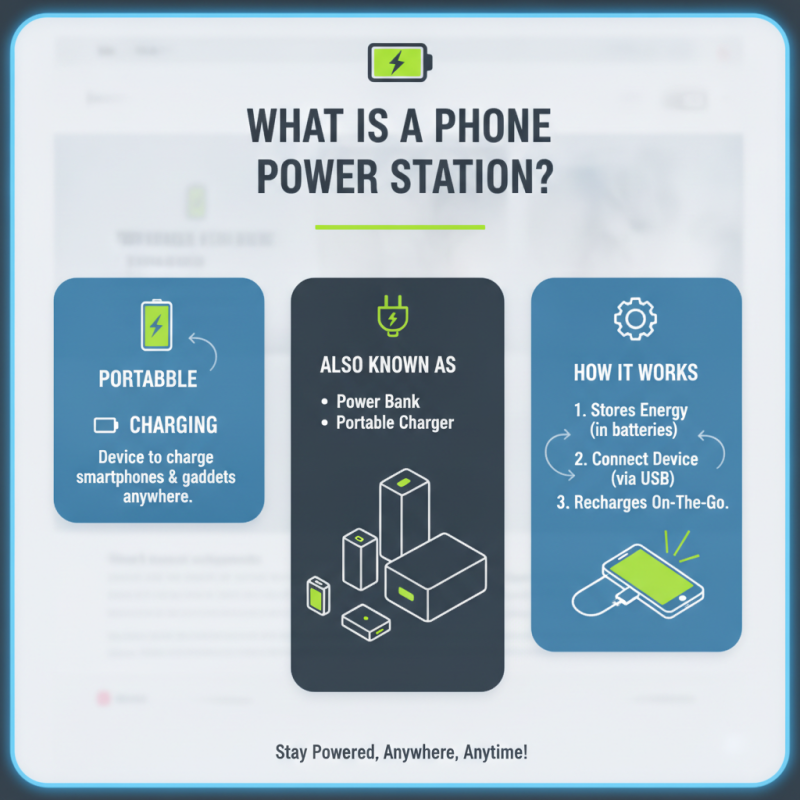
A phone power station is a portable device designed to charge smartphones and other gadgets. Often referred to as power banks, these stations come in various sizes and capacities. They store energy in batteries, allowing users to recharge their devices on-the-go.
When using a phone power station, it's essential to consider its mAh rating. This rating indicates how much power the station holds. A higher mAh means more charges for your phone. Many users overlook this detail, leading to dissatisfaction. It’s wise to choose a power station that meets your charging needs.
Tips: Always check the output ports on your power station. Some stations have multiple ports. This allows you to charge several devices simultaneously. Keep your phone's charging cable handy to maximize convenience.
Be aware that not all power stations are created equal. Many cheaper options may not have reliable safety features. Look for units with overcharge protection. This small precaution can prevent potential damage to your devices.
The Components of a Phone Power Station
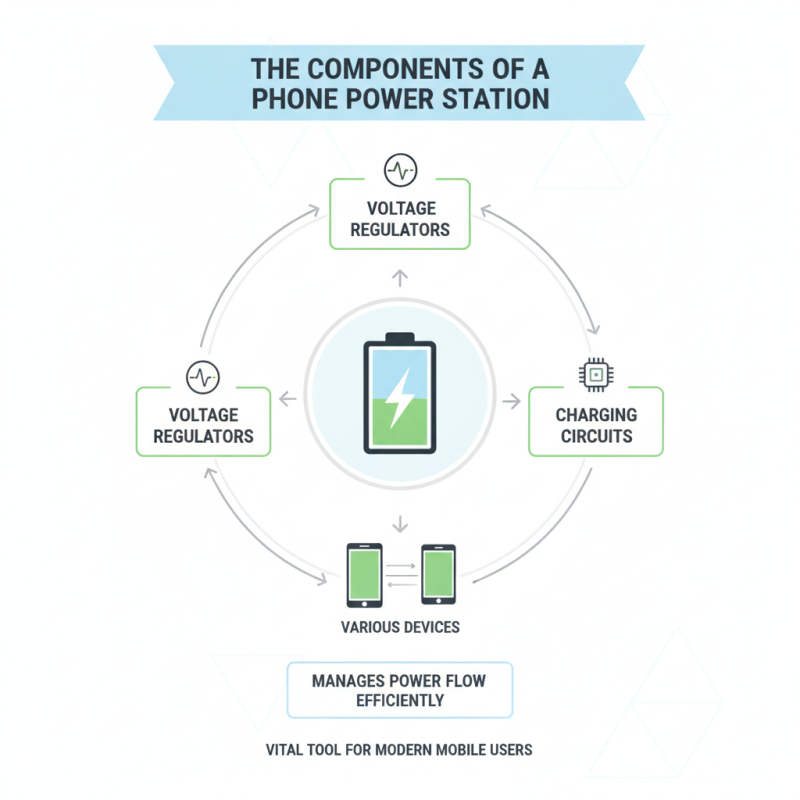
A phone power station is a vital tool for modern mobile users. Its components form a delicate ecosystem that ensures devices remain charged. Key elements include batteries, voltage regulators, and charging circuits. These components work together to manage power flow efficiently, supporting various devices.
Batteries are at the heart of this system. Lithium-ion technology dominates the market, accounting for over 60% of portable energy storage solutions. These batteries are favored for their compactness and high energy density. Voltage regulators help maintain a steady output, preventing damage to connected devices. Inconsistent power can lead to device malfunction, stressing the importance of reliable regulation.
Charging circuits further enhance functionality. They determine how devices receive power, influencing charging speed. Recent studies show that fast-charging technologies can improve user experience significantly. However, industry experts warn of potential overheating issues. Balancing speed and safety is crucial. A phone power station's optimal performance relies on the harmony of its components and their ability to adapt to different conditions.
How Does a Phone Power Station Generate Energy?
A phone power station is a compact energy generator designed specifically for charging mobile devices. It works by converting various types of energy sources into electrical power. Common sources include solar panels, wind turbines, or even traditional gas generators. The efficiency of these devices often relies on advanced battery technology and conversion systems.
For instance, a recent report by the International Renewable Energy Agency shows that solar power stations can achieve an efficiency rating of up to 23%. This means more energy from sunlight is converted into usable power. However, many phone power stations struggle to consistently reach this level, often performing below optimal efficiency due to factors like poor sunlight conditions or battery degradation over time.
Real-world applications exhibit flaws too. Users may find the power stations bulky or difficult to transport, despite their intended convenience. While some models can charge multiple devices simultaneously, they may lack sufficient power for high-demand gadgets. Additionally, maintenance is crucial; dirty solar panels can reduce output by 20% or more. Keeping them functional requires regular cleaning and checks. These challenges highlight the need for continuous innovation in energy generation and efficiency.
Energy Generation of Phone Power Stations
This bar chart illustrates the energy generation capacities of different sources used in phone power stations, measured in kilowatt-hours (kWh). Solar energy leads with 1500 kWh, followed by wind and hydro, indicating the diverse methods of energy generation.
Understanding the Charging Process for Mobile Devices
A phone power station serves as a portable charger that ensures your mobile device remains powered throughout the day. Understanding its charging process is crucial for maximizing efficiency. When you plug your phone into the power station, it transfers energy through a charging cable. The charging speed depends on both the power station and your device’s compatibility.
Different power stations use varied technologies to deliver power. Some utilize lithium-ion batteries for efficient energy storage, while others may have solar panels for renewable energy. Observing how heat can affect charging, it’s worth noting that excessive heat can compromise battery life. It’s essential to select a charging station that regulates temperature well.
Furthermore, charging protocols can vary significantly. Fast charging can sometimes lead to overheating, which may not be ideal for all situations. Users should pay attention to their specifications and ensure they meet safety standards. The reliability of the power station is another factor to consider. Second-hand devices may pose unknown risks. Always check reviews and ratings before making a choice.
Benefits and Limitations of Using a Phone Power Station
A phone power station can be a game-changer for anyone who relies heavily on their smartphone. It serves as a portable charging solution, allowing users to recharge devices on the go. However, while they offer convenience, there are both benefits and limitations to consider.
One significant benefit is the ability to charge multiple devices simultaneously. This is especially useful for families or groups during trips. The power station can provide a substantial backup power supply, ensuring you stay connected. Yet, charging speed can vary, which might leave some users frustrated. Additionally, the need to remember to charge the station itself can sometimes be overlooked.
On the downside, weight and size can be issues. Some models are bulky, making them less portable than expected. Not every power station supports fast charging, which can be a drawback for those in a hurry. Furthermore, the quality of the batteries used can vary, spelling trouble for long-term reliability. It's essential to research a model before purchasing, as not all options deliver the same performance.







 WS Kate
 Weshare Power Bank