What is a Power Bank Cabinet and How Does it Work?
In an increasingly digital world, staying connected is crucial. The demand for charging solutions is on the rise. A recent industry report shows that the portable charging market is expected to reach $23 billion by 2024. One innovative solution that addresses this need is the Power Bank Cabinet.
These cabinets not only provide power banks for public use but also ensure device safety. Users can rent a power bank for a short period, alleviating the stress of low battery life. However, the functionality of a Power Bank Cabinet can sometimes be overlooked. Many people forget to return devices or fail to understand the rental process fully.
Moreover, while these cabinets aim to enhance user convenience, they also raise questions about accountability. If a user loses a power bank, how is that managed? Clarity in usage policies is essential. With proper management and awareness, Power Bank Cabinets can be more than just charging stations; they can become integral to public infrastructure.
What is a Power Bank Cabinet and Its Functionality Overview
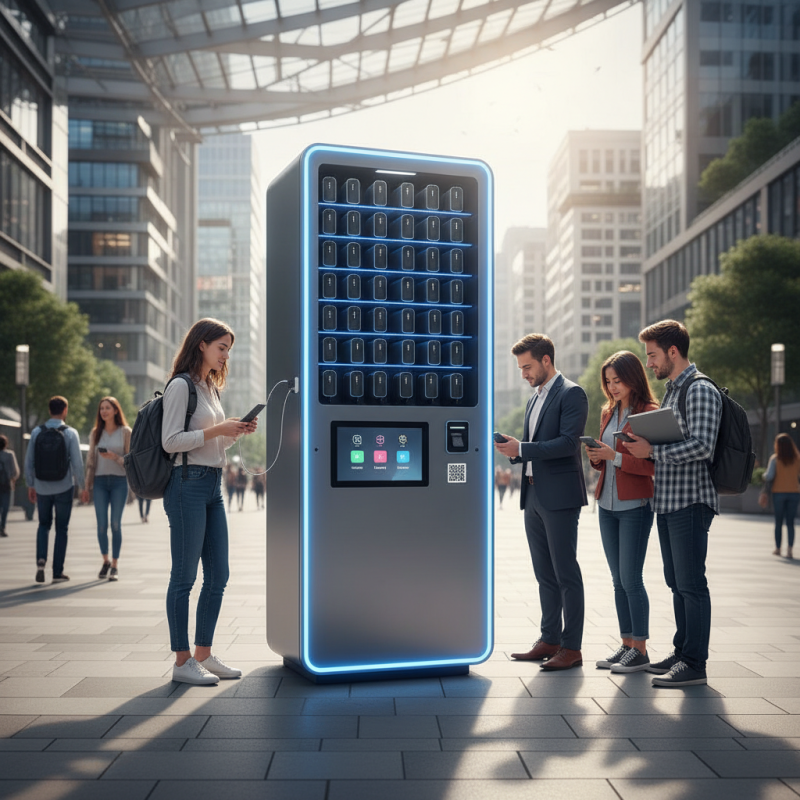
A power bank cabinet is a storage unit designed to provide charging solutions for multiple devices. These cabinets typically hold several power banks, making them easy for users to borrow when needed. This setup is especially useful in public areas like airports, shopping malls, and universities. Users can charge their devices without worrying about finding an outlet.
The functionality of a power bank cabinet is quite simple. When a user approaches, they can select a power bank from the available options. The cabinet often features a touchscreen interface, displaying the status of each power bank. A user may scan a code or enter a code to unlock and access a power bank. Once the power bank is returned, it can recharge in the cabinet.
While power bank cabinets offer convenience, some issues arise. Not all users are prompt in returning the power banks; damaged units can create delays. Moreover, theft is a concern, as some individuals may not properly return the devices. This highlights the need for better tracking systems to ensure accountability.
Key Components of Power Bank Cabinets and Their Specifications
Power bank cabinets are innovative solutions for charging multiple devices in public spaces. They typically come with several charging stations, allowing users to store and charge their mobile devices securely. A study from market analysts indicates that the demand for such cabinets is surging, predicted to grow by 25% annually through 2025. This growth reflects the increasing reliance on mobile devices.
Key components of power bank cabinets include charging ports, security features, and power management systems. Many models feature USB and Type-C ports, accommodating various devices. Security measures, such as locks or monitoring systems, protect user devices from theft. Some cabinets use smart technology to monitor usage, ensuring efficient power distribution. However, not all cabinets function equally well. Some may struggle with compatibility issues across different devices.
Specifications can vary widely. For instance, cabinets typically offer a range of battery capacities. Lower-end models may provide around 1000 mAh, while advanced units can exceed 10,000 mAh. Users should consider the cabinet's charging speed as well. Not all cabinets charge devices with the same efficiency, which can lead to dissatisfaction if devices take too long to charge. Balancing features with cost remains a challenge for manufacturers and users alike.
Power Bank Specifications Overview
This chart illustrates key specifications of power bank cabinets, highlighting aspects such as battery capacity, output voltage, number of ports, weight, and charging time. These parameters are essential for understanding the functionality and efficiency of power bank cabinets.
How Power Bank Cabinets Enhance Customer Experience in Various Sectors
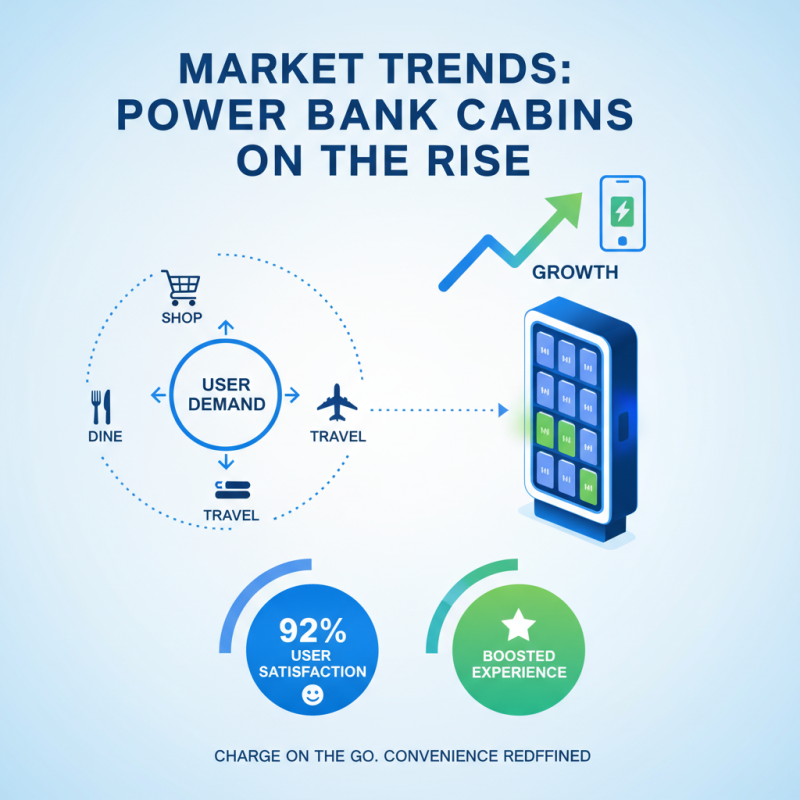
Power bank cabinets are transforming customer experience across multiple sectors. These self-service kiosks are gaining traction in places like malls, airports, and restaurants. They allow customers to securely charge their devices while engaging in other activities. A recent report indicated that 74% of consumers feel frustrated when their devices run out of battery while out. Providing charging solutions is not just convenience; it enhances satisfaction.
Offering power bank cabinets can lead to increased foot traffic. Customers often linger longer in locations where they can reliably charge their devices. For example, research shows that businesses introducing charging stations can see a 20% increase in time spent by customers. This extended stay often translates into more purchases. Retailers are realizing the importance of incorporating these solutions into their strategies.
Tips: Ensure that the power bank cabinets are easily accessible and user-friendly. Regular maintenance is crucial for avoiding customer frustration. Always consider customer feedback for improvements to create a better charging experience. Empowering customers with charging options fosters loyalty and encourages repeat visits. A thoughtful implementation can go a long way in shaping positive brand perception.
Comparison of Power Bank Cabinets: Features, Pricing, and Popular Brands
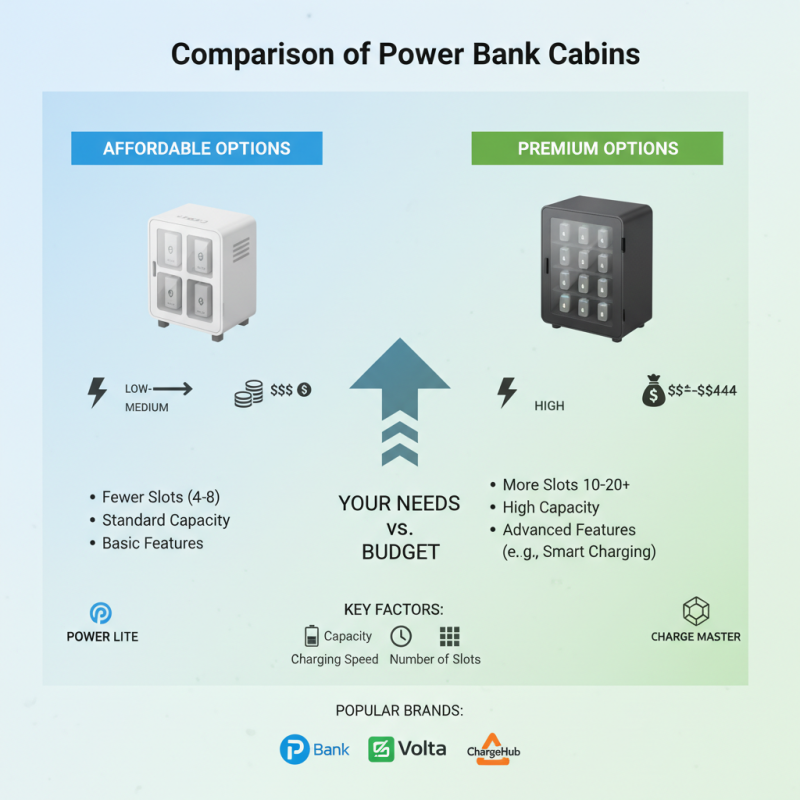
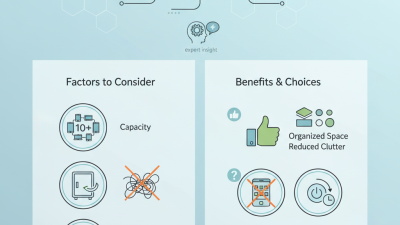
Choosing a power bank cabinet can be challenging. Many options exist with various features. Key factors to consider include charging speed, capacity, and number of slots. Pricing varies widely. Some cabinets are affordable, while others are premium. You must weigh your needs against your budget.
When comparing brands, look for those that offer robust security features. Some cabinets provide locking systems for added safety. This prevents theft or misuse. A user-friendly interface is also essential. A complicated setup can be frustrating.
**Tips:** Always check charging compatibility. Not all cabinets work with every device. Keep an eye on customer reviews for insights. Users often share their experiences with effectiveness and reliability. Investing time in research can save you money. Ultimately, the right choice should meet your specific needs without overwhelming complexity.






 WS Kate
 Weshare Power Bank