How to Set Up a Power Bank Station Share System for Your Business?
The rise of mobile devices has created a pressing need for convenient charging solutions. A "Power Bank Station Share" system could bridge this gap for businesses. According to a recent report by MarketsandMarkets, the global power bank market is expected to reach $13.2 billion by 2026, showcasing robust growth opportunities. Industry expert Dr. Alex Turner states, “Implementing power bank station share systems can enhance customer satisfaction and increase foot traffic.”
In today's competitive landscape, providing charging options can set a business apart. However, challenges such as equipment maintenance and user education should not be overlooked. The balance between convenience and sustainability is crucial.
While the concept is promising, businesses must ensure adequate coverage and reliable technology. Sharing power bank stations can lead to enhancements in customer experience. Yet, weak spots could be detrimental without proper planning and execution. Reflecting on the demands of modern consumers, the implementation of a "Power Bank Station Share" system might just be the solution that businesses need to thrive.
How to Assess Your Business Needs for a Power Bank Station System
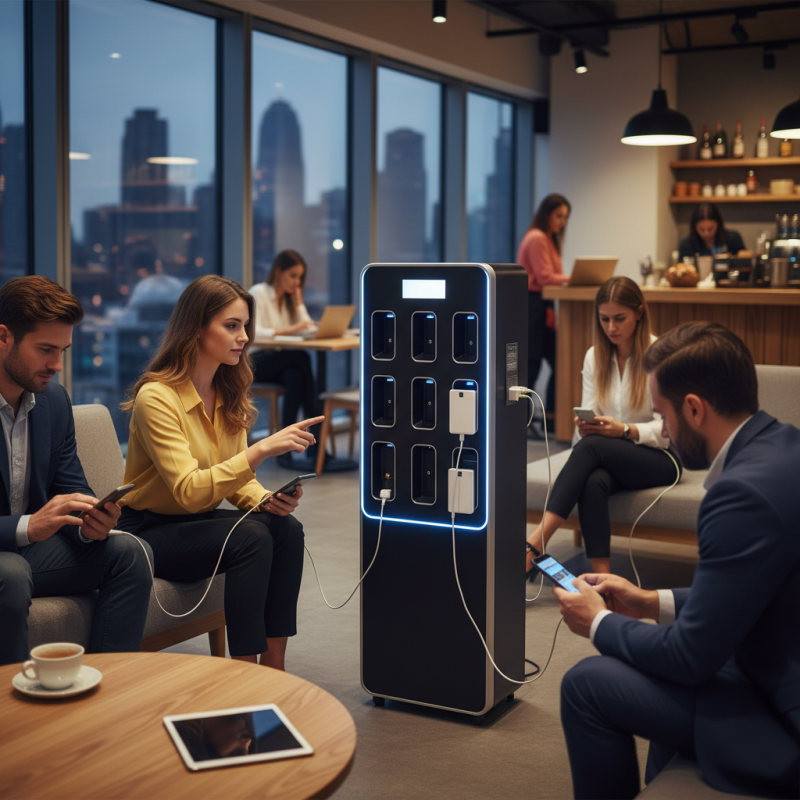
When considering a power bank station system for your business, it's essential to assess your specific needs. Start by examining your customer demographics. Are they frequent visitors who rely heavily on mobile devices? Understanding their habits will inform how many power banks you need and which charging options to provide.
Next, consider the location. Is your business in a high foot traffic area or a secluded spot? A busy environment may require a larger station with multiple charging ports. Reflect on the space you have available. Do you want a standalone station or one integrated into your existing setup? This might impact your overall design.
Lastly, evaluate your budget. While investing in quality equipment is crucial, it’s important to balance features with cost. High-end options may promise more durability but may not always align with your business model. Take the time to review user feedback on various systems. This will help you make an informed decision tailored to your customer's needs.
Key Features to Look for in a Power Bank Sharing System
Setting up a power bank sharing system can enhance customer experience and generate extra revenue. However, it's crucial to choose a system that meets your business needs. A reliable power bank sharing system should maximize usability and convenience for users. Look for a platform that offers a simple interface. Users should easily access, rent, and return power banks with minimal effort.
One key feature is real-time monitoring. This allows managers to track power bank availability and usage patterns. Understanding user behavior can help optimize inventory. Additionally, consider a system with a mobile app. This feature boosts customer engagement, facilitating seamless transactions. A strong app will notify users when batteries are low or when they are due for return.
Security is another important factor. Ensure that the system has robust security measures. Users should feel confident in renting power banks without fearing loss or damage. Some systems might have design flaws or complicated return processes, leading to customer frustration. Regular feedback from users can help identify these areas and guide improvements. Ultimately, a well-designed power bank sharing system enhances customer satisfaction while fostering brand loyalty.
Understanding Cost and ROI of Power Bank Station Implementation
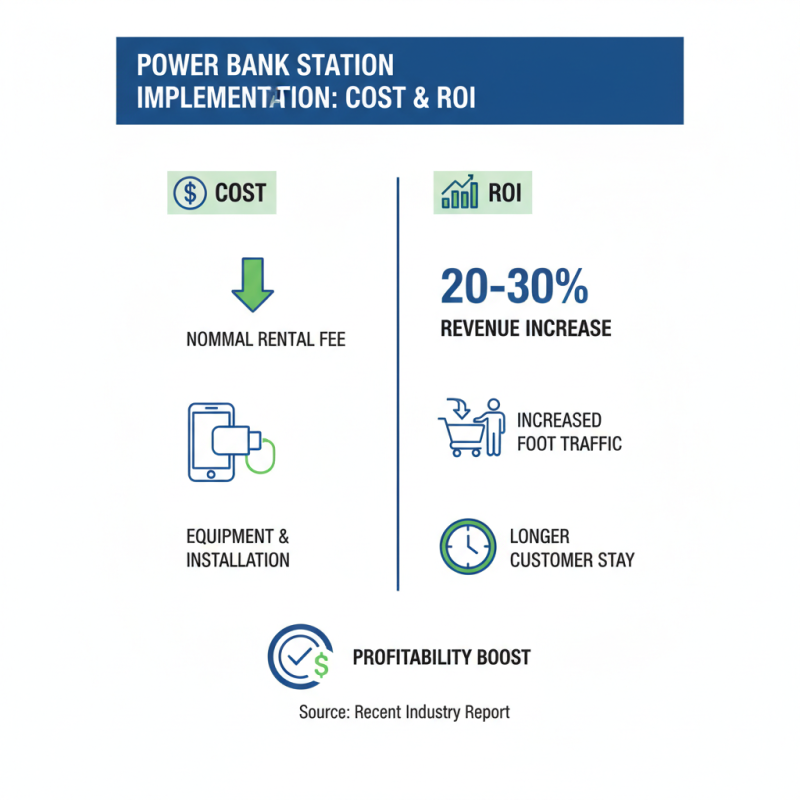
Implementing a power bank station share system can offer significant financial benefits for businesses. According to a recent industry report, locations that install power bank stations can expect a revenue increase of 20-30%. This comes from charging customers a nominal fee for rentals, which can add up quickly in high-traffic areas. Moreover, these stations can attract more foot traffic, as customers are more likely to linger longer when their devices are charged.
Understanding the cost involved is crucial. Setting up a power bank station can range from $1,000 to $5,000, depending on the location and model chosen. Businesses should evaluate the ongoing operational costs, including maintenance and replacement of units. Research indicates that ROI can be realized within 6 to 12 months of installation, provided there is sufficient customer usage. However, factors like location and customer demographics greatly influence this outcome.
Still, it's essential to consider potential challenges. Not every business sees the same profitability. Some may struggle with low utilization rates, leading to financial loss rather than gain. Monitoring usage data can provide insights, allowing businesses to adapt their strategy or exit if necessary. Implementing pilot programs may help assess demand before full commitment.
Best Practices for Marketing Your Power Bank Sharing Service
Marketing your power bank sharing service effectively can set you apart in a competitive landscape. Start by identifying your target audience. Consider high-footfall areas, such as shopping malls or universities, where people often need charging solutions. Use data to pinpoint specific demographics that frequent these locations. Tailor your messaging to resonate with their needs and preferences.
Visual branding can enhance your appeal. Invest in clear, eye-catching signage. Use colors and fonts that align with your business ethos. Create social media campaigns that feature vibrant images of your power bank stations. Engaging content attracts users. Short, flashy videos showcasing the convenience of your service can be highly effective. User-generated content can also be leveraged. Encourage customers to share experiences online. This adds a layer of authenticity.
Promotions are key as well. Consider offering discounts during peak times or referral incentives. However, don’t overlook the importance of tracking your results. Are your promotions leading to user engagement? Analyze data and adapt your strategies accordingly. Reflect on what works and what doesn’t. Sometimes, even a small detail can impact your success. Stay flexible and open to adjustments.
Analyzing User Engagement and Feedback for Continuous Improvement
Setting up a power bank station sharing system offers numerous advantages. However, continuous improvement is crucial for long-term success. Analyzing user engagement and feedback is an effective way to achieve this. Pay attention to how customers interact with the power bank station. Are they using it frequently? Do they find it easy to access and use? These insights provide valuable data for optimizing the system.
Gathering feedback directly from users can surface potential challenges. Maybe some users find the process confusing or experience technical issues. Regularly check reviews and comments to understand their experiences. Prompt response to feedback can foster a sense of community and reliability. Additionally, consider using surveys to gain structured insights. This can reveal preferences regarding power bank types or features they wish existed.
Maintaining open communication with users helps build trust. Demonstrating that you care about their input reflects positively on your business. Yet, it’s important to recognize that not all feedback will lead to improvements. Some suggestions may be impractical or outside your resources. Listening is essential, but discerning which advice to act on requires judgment. Balancing innovation with practicality will guide your efforts towards fruitful enhancements.




 WS Kate
 Weshare Power Bank