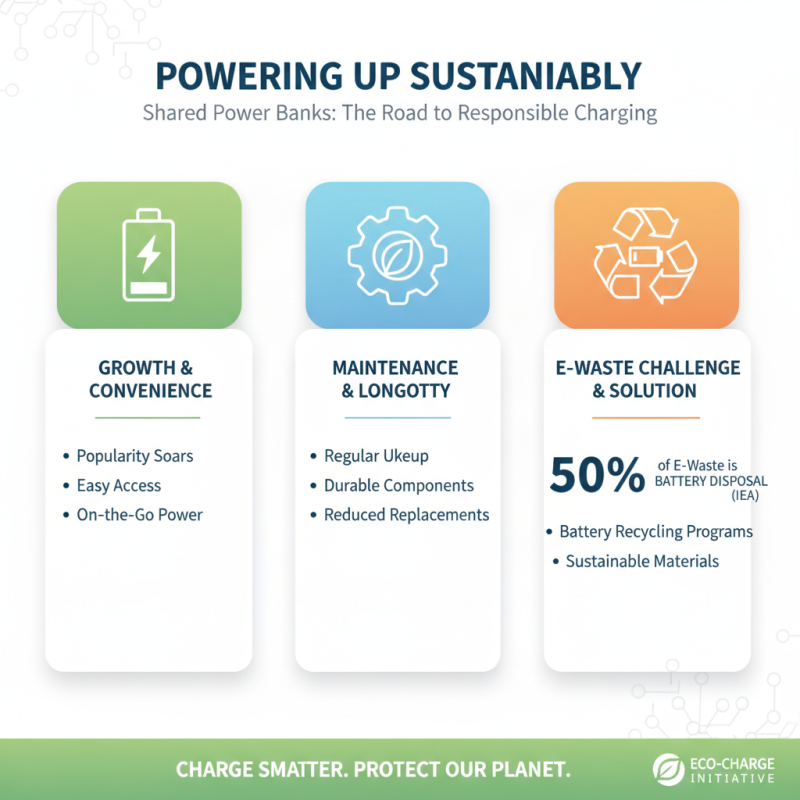
Ultimate Tips for Using Shared Power Bank Stations Effectively
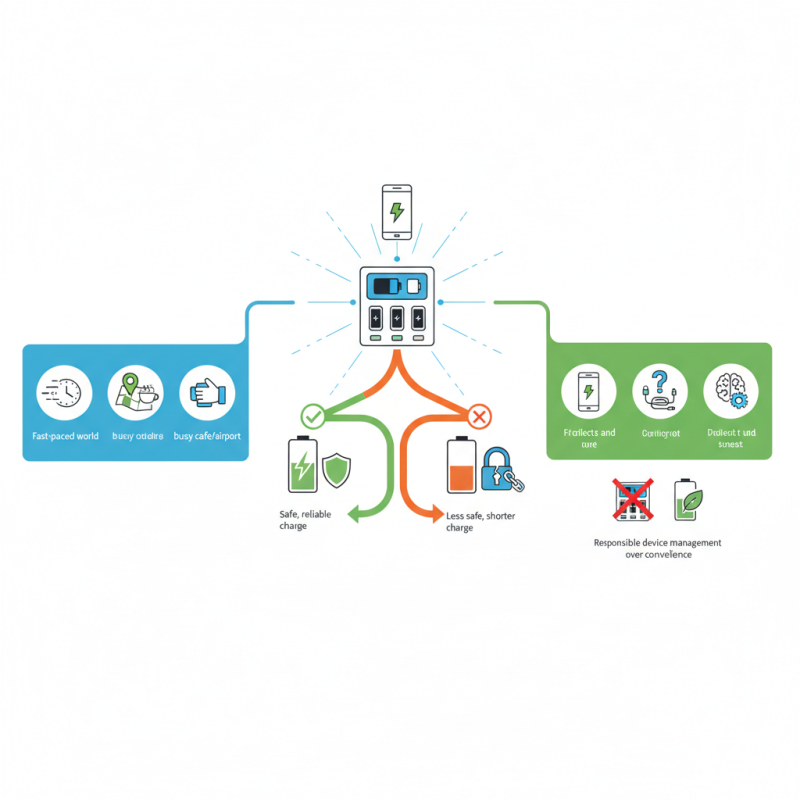
In today's fast-paced world, staying connected is crucial. A Shared Power Bank Station offers a convenient solution for charging devices on the go. Imagine finding one in a busy café or a hectic airport. You can grab a power bank to recharge your phone in minutes.
However, using these stations effectively requires awareness. Not every Shared Power Bank Station is created equal. Some may not hold a charge as long. Others might be located in less safe areas, causing hesitation. Paying attention to these details can help ensure a smooth experience.
It's important to reflect on your charging habits. Are you draining your battery too quickly? Do you often forget your cable? These questions matter when considering the benefits of a Shared Power Bank Station. Although convenient, they should not replace responsible device management.
Understanding Shared Power Bank Stations: Overview and Benefits
Shared power bank stations have become increasingly popular in urban environments and public spaces. These stations provide a convenient solution for charging devices on the go. According to a report by Statista, mobile phone users worldwide reached approximately 6.6 billion in 2022. Many struggle with battery life during the day. This gap creates a substantial market for charging solutions.
The benefits of shared power bank stations extend beyond mere convenience. They encourage social interaction and often serve as gathering spots for users. In a recent survey, about 70% of respondents expressed a preference for using shared stations over relying on personal chargers. However, not all users are aware of best practices. Many report issues like not returning devices or keeping them too long. This inconsistency can affect availability for others and raises questions about responsible usage.
Accessibility is a key advantage. Shared stations can be found in locations such as cafes, airports, and shopping malls. A study highlighted that 60% of users felt relieved to find a charging station when their devices were low. Still, concerns about hygiene and the security of these stations persist. Users should practice caution and check the stations for any issues before charging their devices. Enhancing awareness around these factors could improve the overall experience and trust in shared power bank solutions.
Key Statistics on Mobile Phone Battery Usage and User Dependency
Mobile phone battery usage is a pressing concern for many users today. Many people rely on their devices for various daily tasks, yet often neglect battery management. A survey shows that approximately 70% of users experience battery anxiety. This means they constantly worry about running out of power. It’s no surprise that battery dependency is at an all-time high.
Shared power bank stations are becoming increasingly popular solutions. These stations allow users to charge their devices on-the-go. However, there's still a learning curve to using these services effectively. Many users fail to check the charging speed or compatibility before connecting. It can be frustrating to find a station that’s either occupied or out of service.
Not knowing the exact capacity of your device’s battery can lead to poor charging habits. Users might think they're fully charged when they're not. A mere 20% of people actually monitor their battery usage. It encourages users to rethink how they manage their phone’s power. Embracing a proactive approach can make a significant difference. Don't wait until your phone dies; be prepared and always have a backup plan.
Best Practices for Locating and Accessing Power Bank Stations
Finding power bank stations can sometimes feel overwhelming. In urban areas, nearly 70% of people report difficulty locating these stations. It's crucial to be aware of where these charging solutions are available, especially when you're in a hurry. Many people observe that busy public spaces like airports and malls often have dedicated spots. However, not all of them advertise clearly.
Using apps that pinpoint these locations can save time. Research shows that smartphone users spend about 5 hours a day on their devices. Keeping your phone charged is essential. Implementing a strategy for when and where to recharge is vital. Some people suggest scanning your environment when entering a new area, looking for logos or signs. Alternatively, social media can provide real-time updates.
Yet, even the best systems can have flaws. Users occasionally find stations malfunctioning or occupied. According to a recent survey, over 30% of people experienced issues with availability. This can lead to frustration. Ensuring a backup plan, such as carrying a portable charger, remains important. It’s always wise to stay prepared.
Usage of Shared Power Bank Stations in Urban Areas
Safety and Security Tips for Using Shared Power Banks Wisely
Using shared power banks can be convenient, but safety should always be a top priority. One key tip is to inspect the device before using it. Check for any damage or loose parts. If it looks questionable, don’t risk it. You can never be too careful.
Another important aspect is securing your personal belongings while charging. Keep your phone or device close. Use a bag that you can hold while the power bank charges your device. Avoid leaving it unattended. Theft is a real concern, especially in crowded areas.
Lastly, be cautious with your data. Sometimes, charging through shared stations can expose your devices to risks. If you can, use your own cable and adapter. This small step can provide an extra layer of security. Always prioritize protecting your information over convenience.



 WS Kate
 Weshare Power Bank