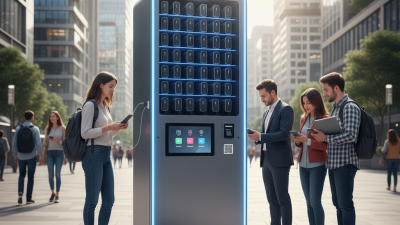
The Shared Power Bank Station industry is evolving rapidly. Notably, experts like Dr. Sarah Chen emphasize, "The future of shared power banks lies in accessibility and convenience." As technology advances, these stations are becoming integral to urban spaces.
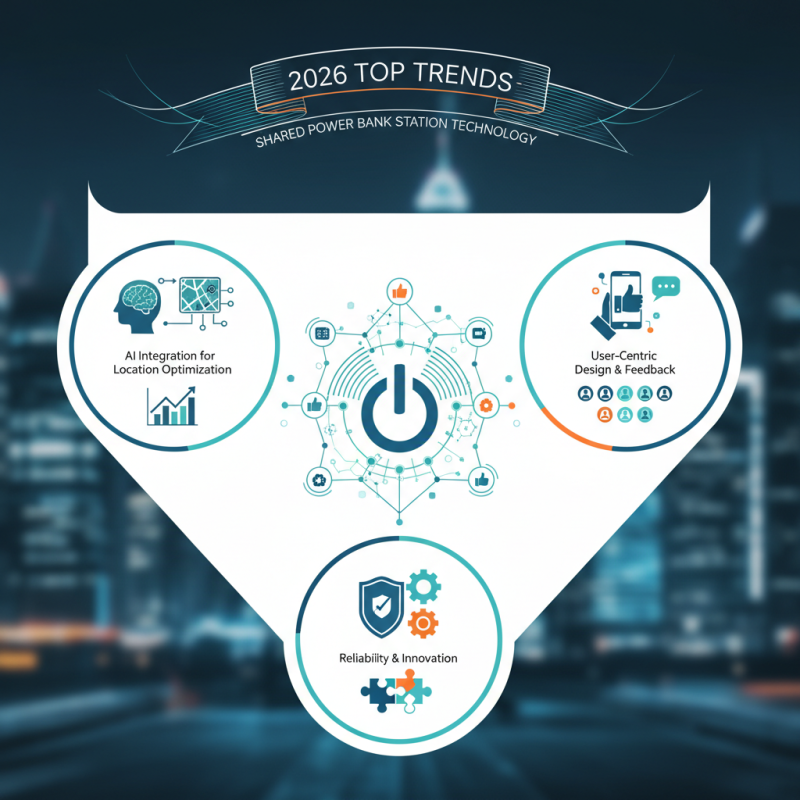
The upcoming 2026 trends focus on improving user experience. Enhanced design and smart features are essential. For instance, AI integration can help optimize station locations. However, the challenge remains in ensuring consistent quality. Some stations lack reliability and user-friendly interfaces. This inconsistency can deter potential users.
Incorporating feedback from users will be crucial. Stations must adapt to various needs. As cities grow, so does the demand for efficient charging solutions. The concept of Shared Power Bank Stations must reflect this reality. Ensuring reliability and innovation will define success in this sector.
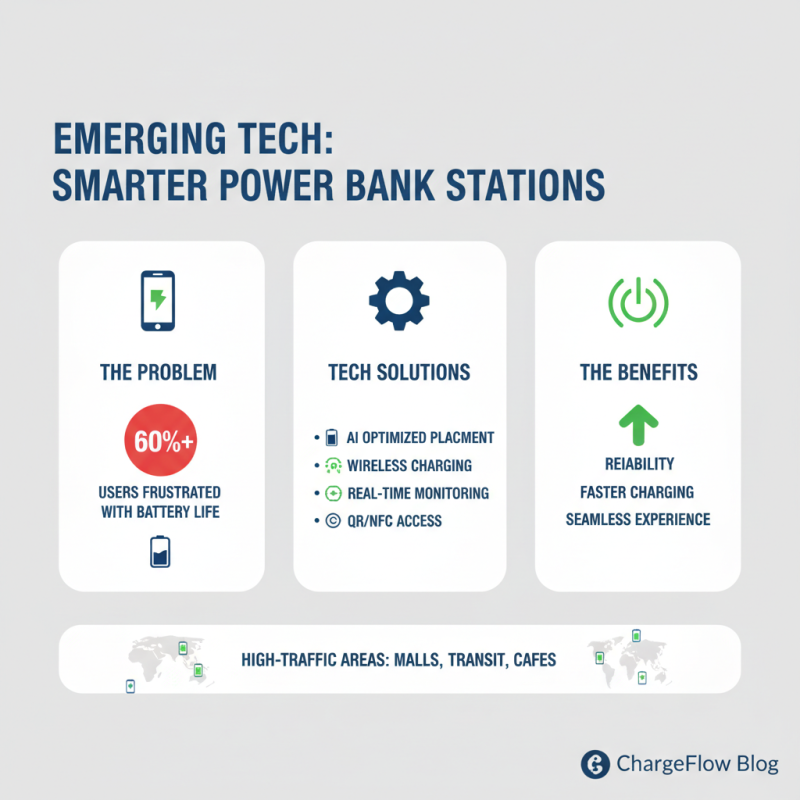
Emerging technologies are transforming shared power bank stations. As smartphones continue to evolve, their power demands increase. Reports suggest that over 60% of users express frustration with battery life. This highlights the need for reliable charging solutions in high-traffic areas.
One significant trend is the integration of smart technology. Stations equipped with monitoring systems can track usage patterns. This can optimize charging availability during peak hours. According to recent studies, stations using AI can increase efficiency by up to 40%. Data analytics also improves user experience, guiding them to the nearest available station.
However, there are challenges to address. Many stations still face maintenance issues, leading to downtime. A report indicated that 30% of machines had operational failures at peak usage times. This raises concerns about trust and reliability. User feedback is crucial, yet often overlooked. Without continuous improvement, these innovations may fall short of expectations.
The integration of renewable energy sources into power bank stations is an evolving trend. Many stations are now incorporating solar panels. This change is expected to enhance sustainability. However, challenges remain. Not all locations are suitable for solar technology. Weather conditions can impact energy generation.
Wind energy is another option. Using small wind turbines can provide backup power. Many cities experience windy days, but this is not guaranteed everywhere. The efficiency of these systems requires careful planning. Users still desire constant availability, so balancing energy storage remains essential.
Innovative designs are emerging in this space. Some stations have begun using energy management systems. These are designed to optimize the use of various energy sources. However, implementation can be costly and complex. The need for real-time data is clear. Yet, not every station has access to these technologies. Finding ways to improve accessibility is critical for future growth.
This chart illustrates the projected integration of renewable energy sources in shared power bank stations over the years. The data is based on current trends and estimated growth in the adoption of solar and wind energy technologies within the industry.
The rise of shared power bank stations marks a significant shift in consumer technology. According to recent industry reports, shared power bank stations are projected to exceed 3.5 billion USD in market value by 2026. This growth is not just about numbers. User experience innovations are driving the design forward.
One notable trend is the integration of user-friendly interfaces. Many stations now feature touch screens. This allows customers to easily navigate options and check battery health. However, accessibility remains a concern. Some users find it challenging to interact with small buttons. More inclusive designs are needed to cater to diverse user needs.
Sustainability is another key focus. Many stations are adopting eco-friendly designs. Stations built from recycled materials signal responsibility. Yet, there are questions about the long-term durability of such materials. Additionally, ensuring that battery life aligns with daily usage remains a complex challenge. These improvements are essential, but they must address existing flaws. Enhancing the overall user experience is vital for broader acceptance.
| Trend | Description | Key Features | User Benefits |
|---|---|---|---|
| Wireless Charging Integration | Power bank stations with built-in wireless charging capabilities. | Qi-standard support, multiple charging pads, LED indicators. | Convenience of charging without cables, faster access. |
| Smart Reservation Systems | Allow users to reserve power banks remotely via a mobile app. | Mobile app integration, QR code scanning, real-time availability. | Eliminates wait times, ensures availability, enhances planning. |
| Eco-Friendly Solutions | Power stations made from sustainable materials with energy-efficient charging. | Recycled materials, solar-powered options, energy consumption reports. | Reduces carbon footprint, promotes environmental responsibility. |
| Enhanced User Interfaces | Interactive touchscreens for user commands and information. | Intuitive navigation, multi-lingual support, usage statistics. | Improved user engagement, easier access to information. |
| Security Features | Enhanced security for users’ devices while charging. | Data safeguards, theft deterrents, secure connection protocols. | Peace of mind knowing devices are secure during charging. |
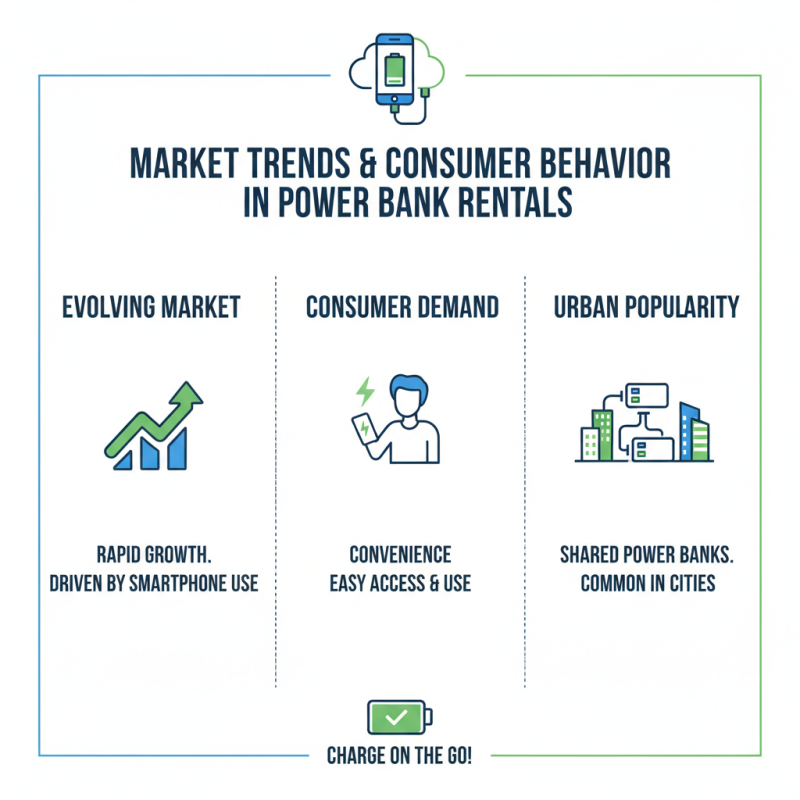
The power bank rental market is evolving rapidly. Increased smartphone usage drives demand for charging solutions. More people are seeking convenience in their daily lives. They want power sources that are easy to access and use. As a result, shared power banks become popular in urban areas.
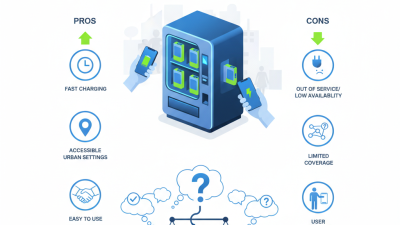
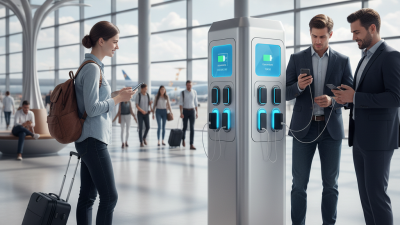
Consumer behavior reflects a growing reliance on technology. Many prefer renting over buying. They want flexibility without the long-term commitment. Shared stations in public spaces, such as airports and cafes, cater to this need. Users appreciate the ability to charge devices on the go. However, issues may arise. Sometimes, stations are out of service or lack sufficient power. This leads to frustration and a need for improvement.
Sustainability is another factor influencing choices. Eco-conscious consumers favor solutions that reduce waste. Renting power banks aligns with this mindset. Users can charge devices without needing multiple chargers. This trend shows an interesting shift in how people approach technology. However, the market must address the challenges of reliability and accessibility.
Urban areas are witnessing a surge in the adoption of shared power bank stations. This trend is driven primarily by the increasing demand for mobile charging solutions. According to a recent industry report, around 82% of urban dwellers rely on their smartphones daily. Convenience is a priority for them. However, accessibility remains a significant issue.
Many cities lack sufficient power bank stations. A study shows that over 45% of public spaces do not have easy access to charging facilities. This limitation affects user engagement and convenience. While some areas, like transportation hubs, are well-equipped, others experience stark shortages.
Urban infrastructure often fails to keep pace with rising demand. City planners may overlook necessary amenities like charging stations. This can create frustrating experiences for users. There is a need for better integration of technology into urban design. A lack of strategic placement could diminish the potential of power bank stations. Continued investment in this area might lead to more widespread and effective usage in the future.