2026 Top Emergency Power Bank Trends for Global Buyers
As the global demand for reliable power sources continues to rise, the significance of Emergency Power Banks is more pronounced than ever. A recent report by Allied Market Research projects that the emergency power bank market will grow at a compound annual growth rate (CAGR) of 22.3% through 2026. This surge is driven by the increasing reliance on mobile devices for communication, especially in crisis situations.
In 2026, we expect to see innovative features in Emergency Power Banks. Enhanced battery technology, like lithium-polymer, will improve energy density and charging speed. Features such as solar charging capabilities will cater to environmentally conscious consumers. However, alongside these advancements, the market faces challenges. Issues like safety, sustainability, and compatibility with a wide range of devices need addressing.
Despite the rapid evolution in emergency power solutions, many users remain unaware of their full potential. The importance of education about usage and maintenance cannot be overstated. Users should be informed about the correct care for their Emergency Power Banks to maximize their lifespan and effectiveness.
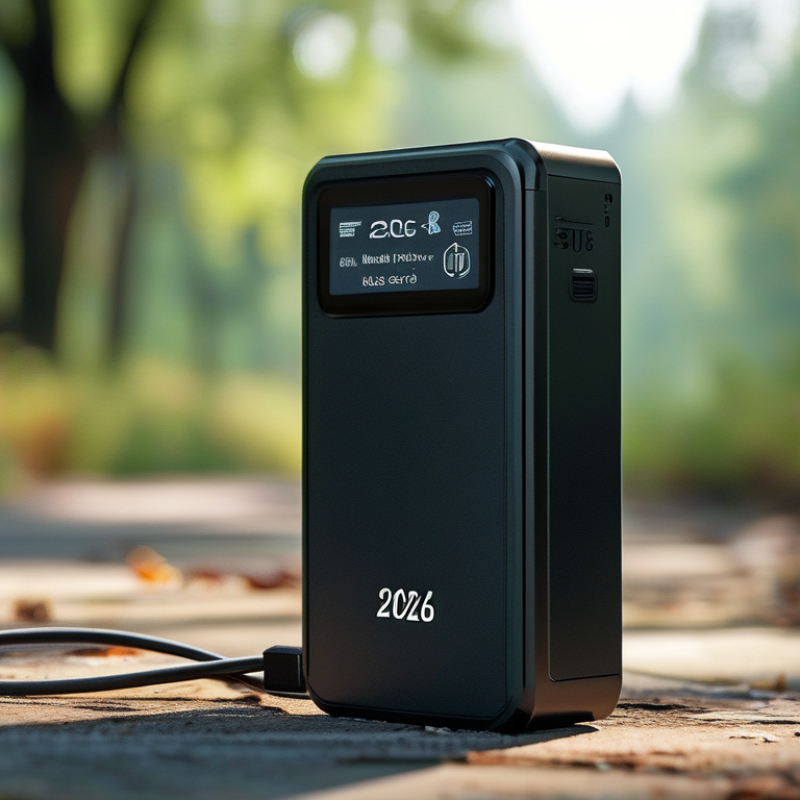
Emerging Technologies in Emergency Power Banks for 2026
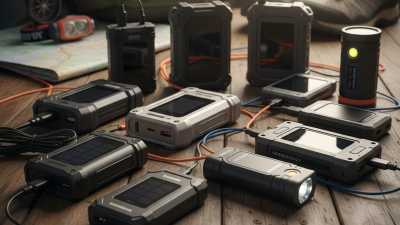
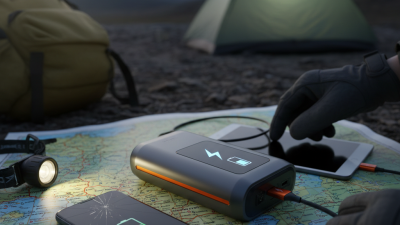
As we look toward 2026, the landscape of emergency power banks is changing. Emerging technologies are shaping how we think about portable energy solutions. Solar charging capabilities are gaining traction. These power banks harness sunlight for backup energy. This feature appeals to eco-conscious users and enhances functionality in remote areas.
The integration of smart technology is another exciting trend. Advanced sensors in power banks can monitor battery health. Users can receive alerts when their device is low on power. Additionally, software updates may improve performance over time. These innovations make emergency power banks more reliable than before. However, not every user may be comfortable with such tech complexities.
Wearable power banks are also on the rise. These compact devices can be worn like accessories. This portability serves modern lifestyles. Yet, the trade-off may be lower capacity. Users need to weigh convenience against battery life. Such trade-offs highlight the evolving priorities in energy solutions. Overall, these trends reflect a blend of innovation and real-world needs.
Sustainable Materials: Eco-Friendly Options for Power Bank Production
In 2026, the demand for emergency power banks continues to rise. Buyers are increasingly interested in sustainable materials. Eco-friendly options are gaining traction in this industry, reflecting growing environmental awareness. Many manufacturers are exploring biodegradable plastics. Others are shifting to recycled metals, reducing their carbon footprint.
Bioplastics derived from plants are becoming popular. They offer a renewable alternative to traditional materials. However, the production process can still be energy-intensive, raising questions about overall sustainability. Not all eco-friendly materials perform equally. Buyers must scrutinize claims and ensure transparency in sourcing. It’s crucial to balance functionality and environmental responsibility.
Innovative designs are emerging. Some power banks now use solar technology, harnessing sunlight for energy. This concept sounds great but may suffer from efficiency issues during cloudy weather. Remember, while aiming for eco-friendliness, practicality should not be overlooked. As consumers push for greener options, power bank manufacturers face the challenge to meet these expectations without compromising quality.
Enhanced Features: Smart Technology Integration in Power Banks
As the demand for portable energy solutions grows, power banks are evolving rapidly. Recent reports indicate that the global market for emergency power banks is projected to reach $18 billion by 2026. Enhanced features, driven by smart technology integration, are becoming crucial for consumers. These innovations not only focus on charging efficiency but also on user convenience and safety.
Smart power banks now incorporate advanced technology such as AI-driven battery management systems. These systems optimize charging speeds, prolong battery life, and prevent overheating. Such functions are vital as studies show that 30% of users face battery-related issues during emergencies. Additionally, many modern power banks offer features like wireless charging and mobile app connections, which provide real-time battery status updates.
Despite these advancements, some challenges remain. Not all manufacturers prioritize security in their designs, leading to concerns about data safety and device compatibility. According to industry experts, ensuring that smart features are user-friendly is essential. Confusing controls can deter users from fully leveraging these technologies. Ongoing reflection and feedback from consumers are necessary to enhance these products continually.
Market Trends: Consumer Preferences and Demands in 2026
As we approach 2026, the emergency power bank market is evolving rapidly. Consumers are increasingly focused on sustainability. They seek products that not only work well but also have a minimal environmental impact. Eco-friendly materials and recyclable components are becoming essential. This shift in consumer preference signals a growing awareness of our planet.
Moreover, portability is a major factor for buyers. People want power banks that are lightweight and compact. Many consumers are opting for slim designs that can fit easily in a pocket. This focus on convenience is critical for busy lifestyles. Yet, some users feel that compact designs may compromise capacity. This is a point of contention in the market.
Lastly, technology integration matters more than ever. Features like solar charging and smart power management attract attention. Users are looking for innovative solutions that enhance functionality. However, some consumers express concerns about usability and over-complexity. Balancing advanced features with user-friendliness is a challenge for manufacturers. This dynamic landscape reflects ongoing changes in consumer demands.
Global Supply Chain Dynamics Affecting Power Bank Availability
The availability of power banks is increasingly influenced by global supply chain dynamics. Disruptions in trade, production delays, and rising shipping costs affect how quickly consumers can access these essential devices. Trends indicate that buyers should be proactive as the global market evolves.
Fuelled by ongoing geo-political tensions, sourcing materials has become a challenge. Manufacturers must navigate tariffs and restrictions. These issues may lead to higher retail prices as costs trickle down to consumers. Awareness of this shifting landscape will impact your purchasing decisions.
Tips: When purchasing an emergency power bank, prioritize sourcing from regions with stable supply chains. Consider flexibility in size and capacity, as larger banks may face higher shipping issues. Always check customer reviews for reliability insights before buying.
As buyers, it’s essential to stay informed. Knowledge of production timelines can guide your purchasing strategy. Being aware of market trends will help you make informed choices amidst uncertainties. Embrace adaptive solutions to ensure you’re always powered up when needed.



 WS Kate
 Weshare Power Bank