What is a Charging Cabinet and How Does It Work?
A Charging Cabinet is a vital tool for managing the power needs of multiple devices. According to industry expert Dr. Emily Chen, "A Charging Cabinet can streamline device management and reduce clutter in any environment." These cabinets provide an organized space to charge electronic devices, ensuring they are ready for use when needed.
In schools, offices, and public spaces, the demand for charging solutions is growing. The Charging Cabinet offers a secure and efficient method to house various electronics. With the rise of technology in daily life, managing devices becomes increasingly important. Users often encounter issues with tangled cords and misplaced chargers.
A well-designed Charging Cabinet not only simplifies charging but also enhances safety. Devices are protected from damage and theft. However, organizations must carefully consider their specific needs. Not all cabinets meet every requirement, leading to potential frustrations. Finding the right fit can be challenging, but the benefits of using a Charging Cabinet are undeniable.
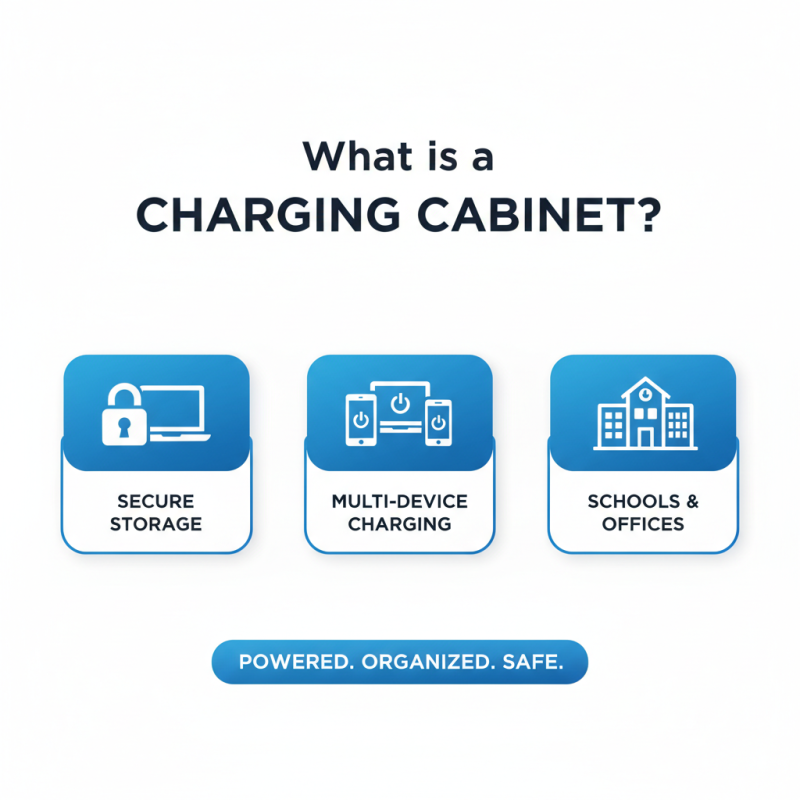
What is a Charging Cabinet?
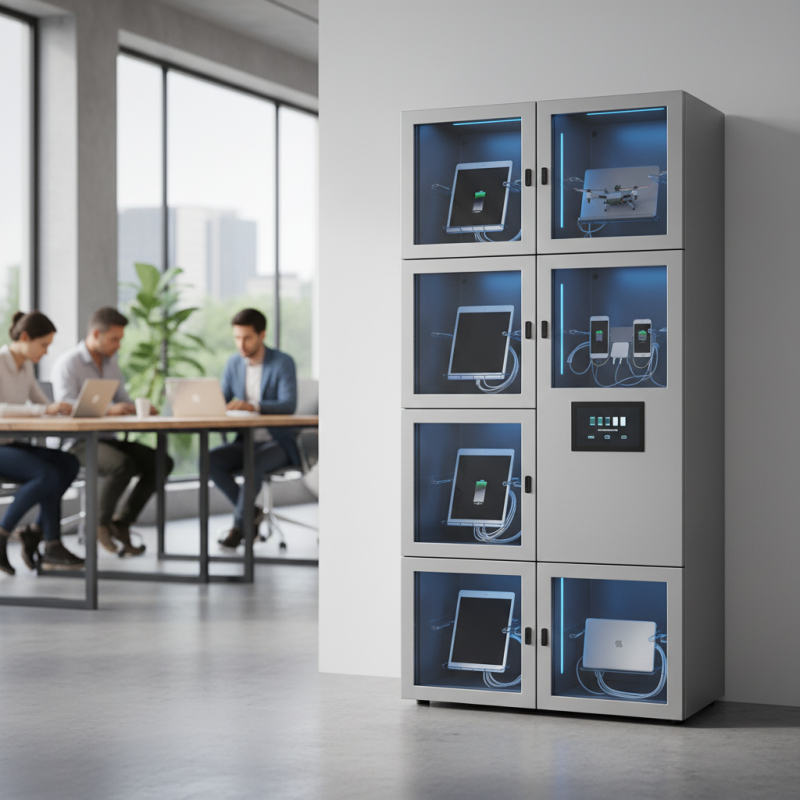
A charging cabinet is an innovative solution designed for managing and charging multiple electronic devices. Typically found in schools and offices, these cabinets provide a secure storage space. They can accommodate various devices like tablets, laptops, and smartphones. The charging process takes place within the cabinet, ensuring devices are powered up without clutter.
These cabinets use a straightforward approach to charging. Users simply place devices on designated shelves. Built-in charging ports connect to each device. A single power source drives the entire cabinet. This setup minimizes the risk of tangled cables and damaged devices. However, the effectiveness of charging cabinets can vary. Some cabinets may charge slower than expected. Users should consider the total number of devices when assessing charging speed.
While charging cabinets streamline device management, they may have flaws. Not every cabinet has the same storage capacity. Some models are too small for larger devices. Additionally, the quality of materials can differ. It's essential to do thorough research on potential options. Evaluating user reviews can provide insight into their performance and durability.
Components of a Charging Cabinet
A charging cabinet is designed to store and charge multiple electronic devices. It usually consists of several key components that ensure efficiency and safety. The structure is often made of durable materials, providing necessary protection for the devices inside. Adequate ventilation is crucial to prevent overheating during the charging process.
Inside a charging cabinet, you will find charging ports that connect to the devices. These ports may vary depending on the type of device being charged, such as tablets or laptops. Some cabinets also include power management systems that distribute energy evenly. This feature is essential, as it helps to avoid overload and enhance device longevity.
Many charging cabinets offer locking mechanisms to secure the devices, adding an extra layer of protection. However, despite their advantages, users should reflect on their need for such cabinets in their environment. Not every setting may require one. Understanding the specific needs of your devices can help in making this decision. A well-structured charging cabinet can significantly improve organization and accessibility, but it’s essential to consider all factors before purchasing.
How Charging Cabinets Facilitate Device Charging
Charging cabinets are essential tools in today’s tech-driven world. They provide a safe and efficient way to charge multiple devices simultaneously. These cabinets can store various gadgets, from laptops to smartphones, ensuring that they remain organized and secure.
The design of charging cabinets often includes multiple charging ports. This allows users to power up several devices without the hassle of tangled cords. Many cabinets even have built-in safety features to prevent overheating and power surges. Users benefit from a centralized charging location, which reduces clutter and enhances productivity.
However, not all charging cabinets are created equal. Some models may lack adequate ventilation, leading to overheating. Others might not accommodate larger devices. It's crucial to assess your needs before investing in a charging cabinet. Each space has unique requirements, and a one-size-fits-all approach may not be effective. Evaluating design, capacity, and safety features can help in making the right choice.
Benefits of Using a Charging Cabinet
Charging cabinets are becoming essential in modern workplaces and educational institutions. They provide a secure and organized way to store and charge multiple devices simultaneously. This efficiency is vital for teams relying on technology. The compact design allows for easy placement in various environments, maximizing space usage.
Using a charging cabinet has distinct advantages. For one, it promotes device longevity. Consistent, controlled charging helps prevent battery degradation. Additionally, it reduces clutter. With designated spaces for each device, users can quickly grab what they need without hassle. Security is another key benefit; locking features protect valuable equipment from theft or damage.
However, it's important to consider some drawbacks. Charging cabinets can be expensive upfront. Not all cabinets have the same charging speed, which may affect usability. Some users may find them bulky or unsuitable for tight spaces. In any case, weighing these factors can guide better decision-making for tech management.
What is a Charging Cabinet and How Does It Work? - Benefits of Using a Charging Cabinet
| Feature |
Description |
Benefits |
| Multiple Device Charging |
Allows simultaneous charging of various devices like tablets, smartphones, and laptops. |
Efficiency in charging multiple devices at once, saving time. |
| Organization |
Keeps devices neatly stored and organized in designated slots. |
Reduces clutter and promotes easy access and management of devices. |
| Security |
Most cabinets are equipped with locking mechanisms to secure devices. |
Prevents damage and theft, increasing the lifespan of devices. |
| Temperature Control |
Maintains an optimal charging temperature to prevent overheating. |
Safeguards devices against heat damage, enhancing safety during charging. |
| Portability |
Some models come with wheels for easy movement. |
Flexibility to use in different locations as needed. |
Common Applications and Use Cases for Charging Cabinets
Charging cabinets have become essential tools for managing and storing electronic devices. These cabinets often cater to schools, hospitals, and businesses that require efficient device management. According to a recent industry report, the global market for charging cabinets is projected to grow at a rate of 12% annually, reaching $1 billion by 2026.
Common applications of charging cabinets include charging laptops, tablets, and mobile phones. In educational settings, classrooms utilize these cabinets for student devices to ensure they are charged and ready for use. Hospitals benefit from charging cabinets to keep medical equipment powered, improving patient care. Local governments have also started using these cabinets for community centers to secure and charge public devices.
Tips: When selecting a charging cabinet, consider its capacity and the type of devices it supports. Assess your specific usage needs. Regular maintenance is crucial. Ensure the charging ports function correctly. Monitor the charging status to prevent power overuse. It's clear that charging cabinets play a vital role in modern technology management. However, facilities must continually evaluate their efficiency and adapt to changing technological demands.
Charging Cabinet Usage Across Different Sectors
This bar chart represents the number of charging cabinets used across various sectors such as Education, Healthcare, Public Transportation, Corporate Office, and Retail. It highlights the common applications and use cases for charging cabinets in different environments.








 WS Kate
 Weshare Power Bank