How to Choose the Best Shared Charging Station for Your Business?
In today's tech-driven world, businesses face an increasing demand for reliable charging solutions. A Shared Charging Station can be a game-changer for many establishments. Customers often seek convenient ways to power their devices while on the go. As a result, having a charging station can enhance customer satisfaction and encourage longer visits.
Choosing the right Shared Charging Station involves understanding your specific business needs. What type of devices do your customers use? How many charging ports are required? These questions matter. The market offers a range of options, from simple USB stations to advanced models with multiple features. However, not all products are created equal. Considering the reliability and performance of different models is essential.
Investing in a high-quality Shared Charging Station reflects your brand's commitment to customer care. However, budget constraints can lead to tough choices. It's crucial to balance cost with quality. Finding a reputable supplier is equally important. Customer reviews and expert recommendations can guide your decision in the right direction. Ultimately, the goal is to create a welcoming environment that caters to the needs of all your visitors.
Understanding the Importance of Shared Charging Stations for Businesses
Shared charging stations are becoming essential for businesses. They provide convenience and enhance customer satisfaction. In today’s digital age, consumers expect to recharge their devices easily. Having charging stations available can keep customers on-site longer. This can lead to increased spending and loyalty.
Moreover, offering charging options shows that a business values its customers. It’s not just about power; it’s about creating a welcoming environment. A well-placed charging station can attract foot traffic. However, not all locations will benefit equally. Understanding the specific needs of your clientele is crucial.
Think about the layout of your space. A crowded area may not suit a charging station. Placement should encourage usage without causing congestion. It’s vital to monitor how often the stations are used. Regular feedback will help identify if adjustments are needed. Investing in shared charging stations can yield benefits, but awareness of their impact is key.
Identifying Your Business's Charging Needs and Customer Demographics
Identifying your business's charging needs and customer demographics is crucial when choosing a shared charging station. A recent report by Statista indicates that over 80% of consumers rely on mobile devices throughout the day. This statistic highlights the demand for charging solutions across various industries. If your customer base primarily consists of young professionals or tech-savvy individuals, providing charging stations is a must. They appreciate convenience, leading to increased foot traffic and potentially higher sales.
Moreover, the type of demographic you serve plays a vital role in determining the appropriate charging solutions. For instance, a restaurant might attract families, whereas a cafe may cater to remote workers. Understanding these differences can guide you in selecting stations that align with your customers’ expectations. According to a survey by Pew Research, 73% of Americans feel anxious without their phones nearby. This anxiety can translate to an opportunity for businesses willing to invest in charging stations.
However, there is often a gap in understanding customer needs. Some businesses may overlook the significance of location and accessibility for charging stations. For example, placing a station near seating areas can enhance user experience. Without thoughtful placement, charging stations may remain underutilized. Reflecting on customer behaviors and preferences can stir new ideas on improving service and increasing engagement.
Evaluating Different Types of Shared Charging Stations Available
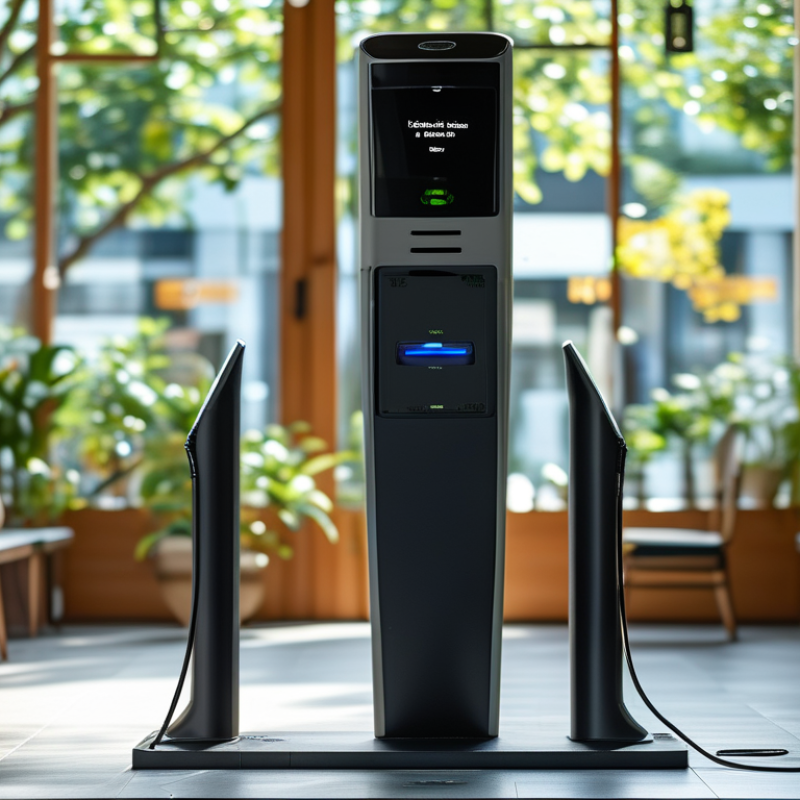
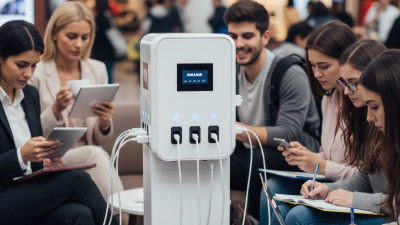
When considering a shared charging station for your business, it’s essential to explore the different types available. Some common options include wall-mounted units, freestanding kiosks, and mobile charging carts. Wall-mounted stations save space and can be installed in high-traffic areas. They are ideal for businesses with limited floor space. Freestanding kiosks offer a more comprehensive solution, providing multiple charging ports and visibility. It can attract customers looking for convenience.
Mobile charging carts add flexibility. They can be moved to different locations, making them suitable for events or temporary setups. However, it’s vital to assess the build quality of these options. Inexpensive models might lack durability or reliability. Evaluate the materials used, charging speed, and compatibility with various devices. A station that frequently malfunctions could result in frustrated customers.
Consider the user experience as well. Easy-to-use interfaces and clear instructions are essential. Think about how your customers will interact with the station. A complex setup may deter them. Maintenance requirements are another factor. Some stations require regular upkeep, while others may be largely self-sufficient. Balancing these aspects will help ensure you choose a suitable charging solution for your business.
Types of Shared Charging Stations and Their Features
Considering Location and Accessibility for Optimal Usage
When choosing a shared charging station for your business, location and accessibility are key factors. A 2022 industry report shows that 75% of customers prioritize accessibility over other features. This means placing charging stations where foot traffic is heaviest is crucial for optimal usage. Consider areas near entrances, lounges, or waiting areas. Stations should be visible and easy to approach.
It’s important to think about the charging station's layout. Crowded spaces may lead to congestion. A poorly placed station can frustrate users, resulting in lost opportunities. According to recent surveys, nearly 60% of users abandon their charging attempts due to inconvenient locations. Ensure your station offers a comfortable charging experience.
Tips: Make sure the station is well-lit during all hours. Clear signage helps guide users. Regularly evaluate the station's popularity and adapt its location based on changing traffic patterns. Space for multiple users can enhance experience too. Think about future-proofing your choice by considering the trend towards increased device usage.
Analyzing Costs and Maintenance Requirements for Charging Solutions
When selecting a shared charging station for your business, the costs involved are critical. Reports indicate that the average cost of a charging station installation is around $3,200, including the station and installation fees. Additionally, operational costs, like electricity, can add up. According to the U.S. Department of Energy, the cost per charge can range from $0.10 to $0.35 depending on local electricity rates. This variability underscores the need for businesses to analyze their operational area thoroughly.
Maintenance is another essential consideration. Many charging stations require annual upkeep, which can amount to an additional $500 or more each year. This is often overlooked during the decision-making process. Some facilities may experience higher wear and tear due to heavy usage. Reports show that about 20% of charging stations require repairs within the first two years. Such data prompts businesses to weigh the reliability of the chosen solution carefully. Being prepared for unexpected repair costs can impact your overall budget significantly.
Understanding these costs and maintenance needs is vital for businesses looking to implement efficient charging solutions. Balancing initial investment with ongoing expenses requires a well-planned strategy. It's essential to reflect on the long-term implications of your choice. A less reliable station could lead to frustrated customers and lost revenue. The decision should not be taken lightly.





 WS Kate
 Weshare Power Bank