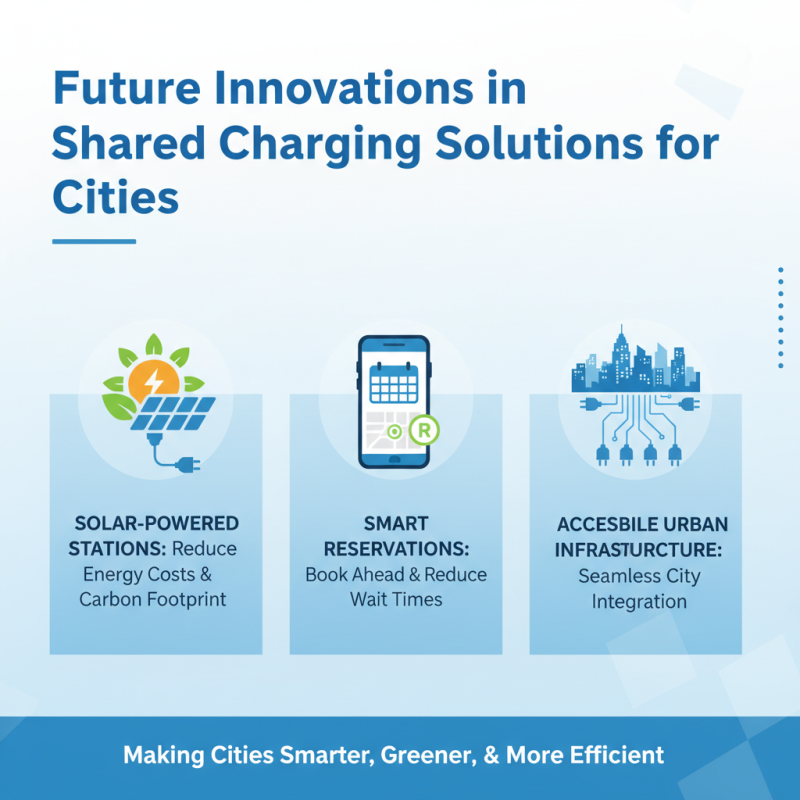
Top Benefits of Shared Charging Stations for Sustainable Urban Living
The rise of Shared Charging Stations marks a significant shift in urban living. As cities grapple with sustainable energy solutions, these stations provide practical benefits. According to a recent report by the International Energy Agency, the number of electric vehicles (EVs) is expected to reach 145 million by 2030. This growth necessitates accessible charging infrastructure to support them.
Dr. Emily Carter, a leading expert in sustainable urban design, emphasizes the importance of Shared Charging Stations: "They empower communities to adopt EVs while reducing the stress on individual households." These stations enhance convenience and promote communal responsibility. They transform public spaces, inviting neighbors to engage in discussions about sustainability and energy consumption.
Yet, the implementation of Shared Charging Stations is not without challenges. Urban planners must carefully consider the distribution of these stations to avoid overcrowding. Additionally, communities must balance the benefits with potential resistance from local businesses. The vitality of Shared Charging Stations lies in their ability to foster collaboration and innovation, steering urban areas toward a greener future.

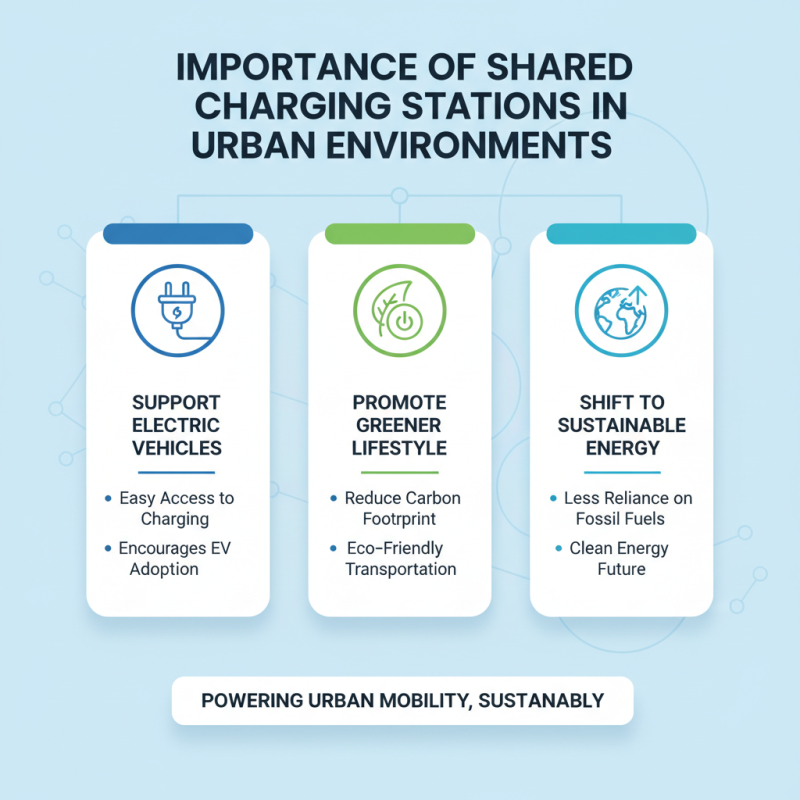
Importance of Shared Charging Stations in Urban Environments
Shared charging stations are becoming essential in urban areas. These stations support electric vehicles and promote a greener lifestyle. They help reduce carbon footprints and motivate people to use eco-friendly transportation. By providing easy access to charging, these stations encourage the shift from fossil fuels to sustainable energy.
Tips: Choose charging stations located in busy areas. This ensures you can find one whenever needed. Look for stations that offer fast charging options to save time. These thoughtful placements can prevent anxiety about running out of battery.
Cities are taking steps to increase the availability of shared charging stations. However, the deployment can still face challenges. Some neighborhoods lack the necessary infrastructure. Street layout and space limitations often hinder installation. Collaboration between city planners and local organizations is vital for better planning and implementation. Promoting awareness can also directly influence how residents perceive electric vehicle usage.
Environmental Impact of Shared Charging Infrastructure
Shared charging stations represent a significant advancement in urban infrastructure aimed at promoting
sustainability. These stations encourage electric vehicle (EV) usage, which is crucial as transportation is responsible for approximately
29% of greenhouse gas emissions in the United States. By integrating
shared charging facilities, cities can reduce reliance on fossil fuels, directly impacting
air quality and public health.
An industry report from the International Energy Agency (IEA) highlights that expanding public charging infrastructure could boost the adoption of EVs by 25% by 2025.
This transition could lead to a potential reduction of over 1.5 gigatons of CO2 emissions annually. However, the growth of shared charging stations is not without its challenges.
Some regions struggle with inefficient placement of charging stations, which can limit their accessibility for users.
Moreover, there is still a gap in understanding the long-term environmental impacts of using shared stations versus traditional charging options. Initial findings suggest that shared stations can mitigate
congestion and energy inefficiency, yet further research is necessary to optimize their placement and operation. Continuous evaluation will determine how effective these stations will be in achieving sustainable urban living.
Economic Benefits of Implementing Shared Charging Stations
The economic benefits of implementing shared charging stations are significant for urban environments. These stations promote cost-sharing, lowering the financial burden on individual users. Cities save money by installing fewer dedicated charging spots. By pooling resources, municipalities can efficiently address the growing demand for electric vehicle infrastructure.
Shared charging stations also stimulate local businesses. Increased foot traffic around these locations can lead to higher sales for nearby retailers. Moreover, these stations create job opportunities, ranging from maintenance to marketing. Engaging local entrepreneurs in the installation process can enhance community ties and promote sustainable practices.
Tips for implementing shared charging stations include conducting thorough surveys. Understanding the needs of the community is crucial. Regular feedback can fine-tune services. Monitoring usage patterns helps optimize location decisions. Additionally, consider partnerships with local businesses to create incentives for usage. These collaborations can improve station visibility and encourage more users to adopt electric vehicles.
Social Advantages of Access to Shared Charging Options
Shared charging stations are changing urban landscapes, enhancing social connectivity. These stations provide essential services for electric vehicle users. Communities become more inclusive when residents can easily access charging options.
People from diverse backgrounds can gather at shared charging spots. This fosters interaction and dialogue among different social groups. Charging stations can act as community hubs, where neighbors meet and share experiences. However, these spaces can also pose challenges. Not every area has equal access to charging facilities, which can create disparities among residents.
Moreover, the reliance on shared charging can lead to concerns about availability. Long wait times can frustrate users. Still, the opportunities for collaboration and community engagement often outweigh these issues. Emphasizing a collective effort can improve resource distribution. Shared charging options can support a more sustainable and united urban living experience.







 WS Kate
 Weshare Power Bank