How to Choose an Outdoor Power Bank?
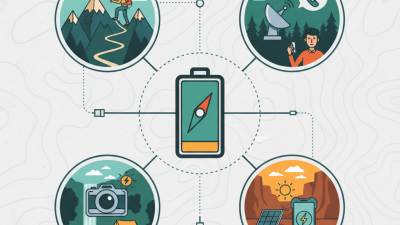
Choosing an Outdoor Power Bank is not simply a matter of buying the largest battery available. A reliable choice begins with the trip itself: a weekend hike, a remote photo session, or several nights in a campsite. Each situation demands different capacity, weight, charging speed, and durability. A 10,000mAh model may suit a day hike, while longer journeys could require 20,000mAh or more. Real usable capacity is lower than the printed rating because energy is lost during conversion.
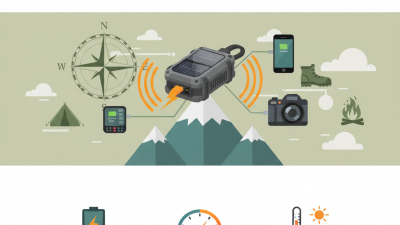
Field experience reveals details that product pages often hide. Check whether the power bank supports your phone, camera, GPS device, or emergency light. USB-C input and output can reduce charging time, but only when the cable and device support suitable power levels. Examine the ports carefully. Loose covers, weak hinges, and unclear indicators become frustrating in rain or darkness. A built-in flashlight may help, but it should not replace a dependable headlamp.
Weather resistance also matters. Look for a clearly stated IP rating, not vague claims such as “waterproof.” Cold temperatures can reduce battery performance, and extreme heat may create safety concerns. Solar panels sound useful, yet small panels usually recharge slowly under changing weather. They are helpful as a backup, not a guaranteed energy source. Weight is another compromise. More protection often means more bulk.
Independent testing, warranty terms, and clear safety information deserve attention. A trusted Outdoor Power Bank should include overcharge, overheating, and short-circuit protection. No model is perfect. Careful comparison prevents disappointment when the nearest outlet is many miles away.
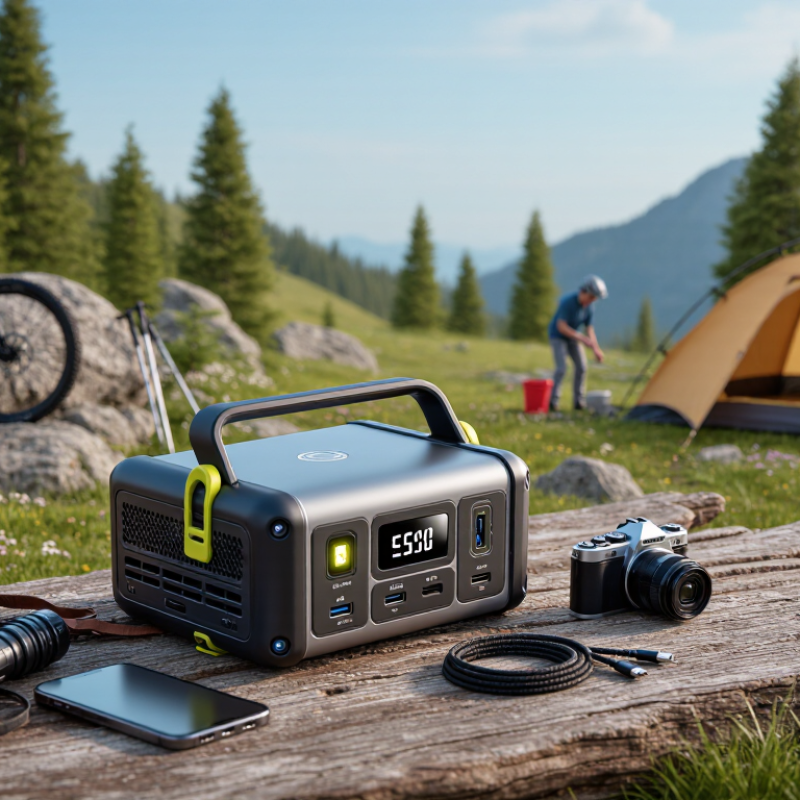
Outdoor Power Banks: Definition, Uses, and Key Features
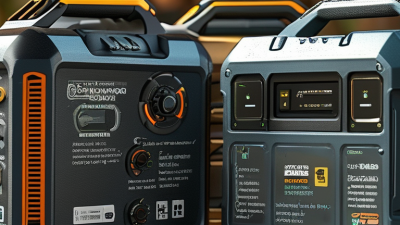
An outdoor power bank is a portable battery system for charging phones, cameras, lamps, and small appliances away from outlets. Smaller models usually serve personal electronics, while power stations can support higher-wattage equipment. Grand View Research valued the global portable power station market at approximately USD 545 million in 2023, with a projected 23.4% annual growth rate through 2030. This expansion reflects growing demand for mobile energy during camping, travel, and emergency preparation.
Capacity matters, but watt-hours tell only part of the story. A 500Wh unit may not deliver 500Wh to your devices because conversion and standby losses reduce usable energy. Check the continuous output, peak output, USB ports, AC sockets, and recharge time. I prefer models with clear battery readings and protected covers. Dust and light rain are common outdoors.
Build quality deserves close attention. Look for temperature control, overload protection, short-circuit protection, and a durable enclosure. The International Energy Agency reported that battery demand for clean energy applications reached about 1 terawatt-hour in 2023, showing how quickly battery systems are scaling. Yet bigger is not always better. A heavy unit can become inconvenient beside a tent or on a long trail. I once underestimated cable length; the battery worked, but placement was awkward. Check the manual, test actual runtime, and question impressive capacity claims before purchase.
Assessing Capacity, Output, and Charging Speed
Choosing an outdoor power bank starts with usable capacity, not the printed mAh figure. A 20,000 mAh unit stores roughly 74 Wh at a nominal 3.7 V cell voltage. Conversion losses reduce the energy reaching your phone. In practice, I would expect about 60–70 Wh after voltage conversion and heat loss. USB-IF specifications also show that USB Power Delivery can support outputs up to 240 W. That figure does not mean every power bank can provide it. Check the actual port rating and supported charging profile.
Output determines whether several devices can charge together. A phone may need 18–30 W, while a tablet can require 30–45 W. A small laptop often needs 60 W or more. Shared ports divide power, sometimes sharply. Charging speed depends on both input and output ratings. A 100 W input may refill the bank quickly, but only with a matching charger and cable. Thermal protection can slow charging outdoors, especially inside a hot vehicle. Cold weather can also reduce battery performance. My own field tests became inconsistent below freezing, so advertised times deserve some skepticism.
Tips: Convert mAh into Wh before comparing models. Leave a 20% capacity buffer for losses and aging. Choose at least 30 W output for modern phones and 65 W for compatible laptops. Confirm cable ratings, port limits, and recharge time. USB-IF documentation is a useful technical reference, while IEC 62133-2 provides relevant battery safety requirements. A heavier unit may offer more capacity, but carrying it uphill changes the calculation.
Choosing a Suitable Battery Type and Power Source
Choosing an outdoor power bank begins with battery chemistry. Standard lithium-ion packs are light and compact. Lithium iron phosphate cells usually tolerate more cycles and higher heat. They are heavier for the same advertised capacity. BloombergNEF’s 2024 Battery Price Survey reported average lithium-ion pack prices at $115 per kWh, down 20% year on year. That figure covers electric-vehicle packs, not small power banks. The comparison is imperfect. Still, it explains why lithium-ion remains common, while lithium iron phosphate suits repeated camping use.
Match the battery type to your actual load. A phone and headlamp need portability, not a 1,000Wh box. Check watt-hours, not only milliamp-hours. A 20,000mAh label at 3.7V equals roughly 74Wh before conversion losses. Usable output is lower. Look for temperature protection, short-circuit protection, and a clear continuous-watt rating. UL Solutions advises using robust cell, pack, and charging controls for lithium batteries. Certification marks should be verified, not assumed. I would inspect the manual, too. Marketing numbers can be optimistic.
Power source decides resilience. Wall charging is fastest and most predictable. Car charging helps during travel, but it can drain a vehicle battery if left unattended. Solar charging works in open sunlight, yet clouds, shade, and panel angle reduce output sharply. The International Energy Agency’s Renewables 2024 report recorded global solar additions at a record level. That does not guarantee strong field performance from a small panel. Test the setup at home. A 100W panel may rarely deliver 100W outdoors. In cold weather, keep lithium batteries insulated. Small details matter.
Comparing Durability, Portability, and Weather Resistance
Choosing an outdoor power bank starts with survival, not capacity.
IEC 60529 defines IP67 as dust-tight protection and temporary immersion up to one metre. That rating applies under controlled testing, not every muddy campsite. Look for sealed ports, covered switches, and a casing that resists drops. The U.S. Department of Defense’s MIL-STD-810H includes tests for shock, vibration, rain, and temperature changes. However, compliance does not guarantee identical field performance. Read the test scope carefully.
Portability involves more than weight.
A 20,000 mAh unit may provide less usable energy after voltage conversion and charging losses. The U.S. Department of Energy reports that lithium-ion batteries lose performance in extreme cold, especially below freezing. Keep the power bank inside a jacket pocket during winter hikes. A textured surface also matters when your hands are wet. Metal feels tough, but it can become painfully cold. I have learned that the heaviest model often stays unused.
Tips:
Choose IP67 or higher for wet routes, but never charge through an uncovered port. Check the operating-temperature range in the technical sheet. Carry a short, flexible cable with a sealed connector. Test the power bank outdoors before relying on it. A small scratch can become a leak path. Also, inspect battery swelling, heat, or unusual odors; replace the unit instead of taking chances.
Checking Safety Features, Compatibility, and Maintenance Needs
Choosing an outdoor power bank starts with safety, not capacity. Look for protection against overcharging, overheating, short circuits, and deep discharge. IEC 62133-2 defines safety requirements for rechargeable lithium-ion cells and batteries used in portable applications. That standard is useful, but certification labels still deserve careful checking. A damaged casing is a warning.
Compatibility matters in cold camps and wet conditions. Check the bank’s output voltage, connector type, and wattage against each device. A phone may need little power, while a camera or heated jacket may need stable, higher output. IATA’s 2025 passenger guidance limits spare lithium-ion batteries to 100 Wh without airline approval; batteries from 100 to 160 Wh generally require approval. Convert capacity carefully: Wh equals mAh multiplied by volts, then divided by 1,000. Marketing numbers can confuse even experienced buyers.
Tips: Store the unit dry and partly charged. Inspect cables before every trip. Do not recharge it inside a sealed tent or under direct sun. IEC 62257 guidance for renewable-energy systems emphasizes maintenance and environmental protection, yet many users ignore simple inspections. I sometimes carry a larger battery than needed, which adds weight and creates more charging cycles. A smaller, compatible unit can be the more dependable choice.



 WS Kate
 Weshare Power Bank