Top Outdoor Power Bank Trends for 2026 What You Need to Know
As we look toward 2026, the outdoor power bank industry is undergoing significant transformations. Experts are predicting advanced features and designs that cater to outdoor enthusiasts. Jack Reynolds, a leading figure in renewable energy solutions, states, "Outdoor power banks must focus on durability and efficiency to meet growing demands." His insight highlights the necessity for products that withstand harsh environments while maintaining reliable performance.
This year, we see trends that integrate solar charging capabilities, lighter materials, and smart technology. These innovations not only enhance usability but also align with sustainability goals. While the market is evolving, some products still fall short on user experience. Users often express frustration over lengthy charging times or inadequate power supply. As the demands of adventurers increase, outdoor power banks must adapt.
Moreover, attention to design and functionality remains critical. As the outdoor lifestyle grows, consumers are seeking power banks that merge style with utility. The challenge lies in creating solutions that are both efficient and user-friendly. Balancing these factors can lead to a more satisfying experience for outdoor enthusiasts. The road ahead is promising, but there will always be room for improvement in this competitive industry.
Emerging Technologies in Outdoor Power Banks for 2026
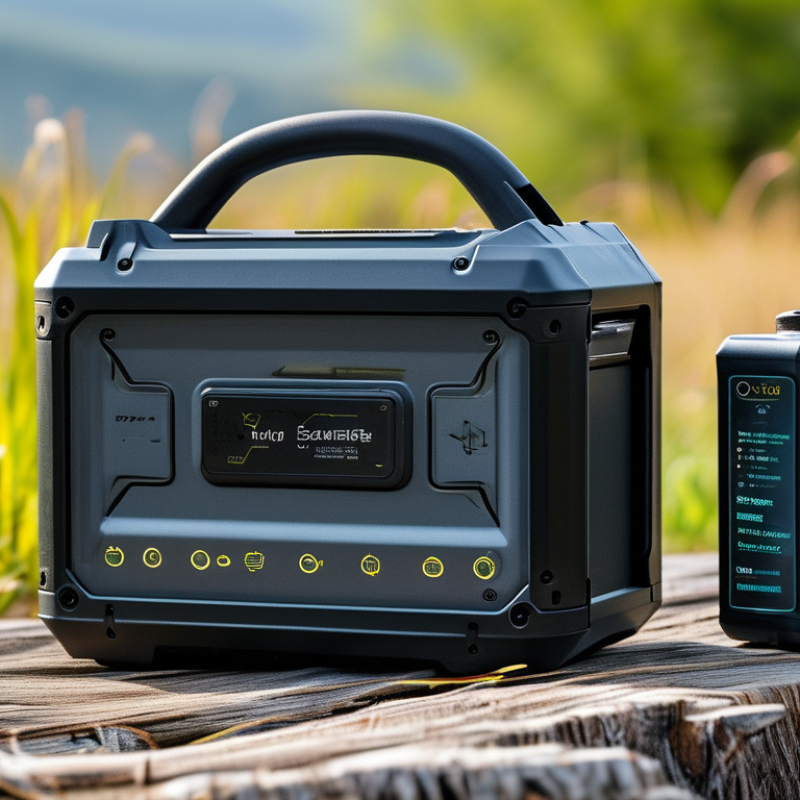
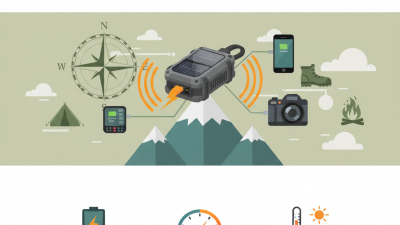
As we look towards 2026, the outdoor power bank market is set to evolve rapidly. New technologies are emerging that will change how we power our devices outdoors. Solar panels integrated into power banks will become a common feature. These panels allow users to recharge their devices using sunlight, ideal for camping trips or hiking excursions.
Another interesting trend is the advancement in battery technologies. Lithium-sulfur batteries are gaining attention for their high energy density. This would enhance the storage capacity of power banks without increasing their size. Users can expect slimmer designs with more power. Efforts to create biodegradable options are also underway, contributing to a greener future.
When choosing an outdoor power bank, think about durability. Look for models that are weatherproof and shock-resistant. Knowing how you intend to use it is crucial. If you are hiking, consider weight and size. A lighter power bank may be necessary. Safety features are essential; ensure your device has overcharge and short-circuit protection.
Sustainability Trends Shaping the Future of Portable Charging
The future of portable charging is gravitating towards sustainability. By 2026, outdoor power banks will increasingly focus on eco-friendly materials. Reports indicate that over 70% of consumers prefer sustainable products. This trend pushes manufacturers to innovate using biodegradable plastics and recycled metals. However, many brands still rely heavily on conventional materials, raising questions about true commitment to sustainability.
Not all power banks are designed with the environment in mind. A study showed that 40% of power banks end up in landfills each year. This statistic highlights a significant area for improvement. The industry needs to prioritize recycling initiatives and develop products that can be repaired, not just replaced. As users become more environmentally conscious, brands must adapt or risk losing relevance.
Renewable energy integration is another critical trend. Solar-powered power banks are gaining traction, appealing to outdoor enthusiasts. Data from industry experts suggest that by 2026, sales of solar chargers could increase by 50%. This shift signifies a broader change. Consumers value convenience, but they now demand sustainability too. It remains a challenge for companies to strike a balance between performance and environmental impact.
Design Innovations Enhancing Usability and Portability
As we look ahead to 2026, outdoor power banks are becoming increasingly innovative in design. A recent industry report revealed that 70% of consumers prioritize portability. This drives manufacturers to create lighter and more compact models. These new designs offer better usability without sacrificing power capacity.
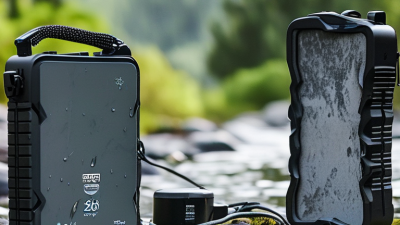
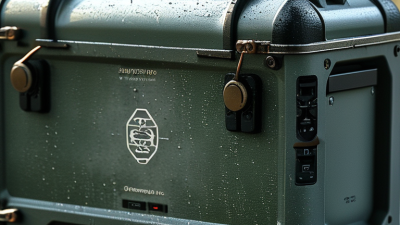
User experience is at the forefront of design innovations. Many outdoor power banks now feature rugged exteriors, ensuring durability in harsh conditions. Waterproof designs have gained traction, addressing the concerns of outdoor enthusiasts. Research shows that 48% of users prefer power banks that withstand the elements. As these devices evolve, they incorporate smart features. Wireless charging and solar capabilities are becoming standard, catering to a tech-savvy audience. Yet, there is still room for improvement. Some users report issues with charging speed. Balancing power preservation and efficiency remains a challenge for manufacturers.
Portability and usability enhance the overall experience. Consumers appreciate multifunctionality in a single device. Many power banks include additional features, such as built-in flashlights or tools for emergencies. However, these added features can sometimes complicate design. Weight and size increase, which may deter those seeking lightweight options. The ongoing evolution of outdoor power banks reflects a market striving for excellence.
Key Features to Look for in 2026 Outdoor Power Banks
As we approach 2026, outdoor power banks are evolving to meet the demands of adventurers and tech enthusiasts alike. The National Retail Federation projects that the demand for portable power solutions will grow by over 20% annually, fueled by the rise in outdoor activities and reliance on gadgets. Key features are emerging that make these power banks more user-friendly and efficient.
One significant trend is solar charging capabilities. Reports from industry analysts suggest that more than 60% of consumers prefer outdoor power banks that offer this feature. This allows users to harness solar energy while camping or hiking. Lightweight designs are also crucial. Many users opt for power banks weighing less than a pound, enhancing portability. Furthermore, durability is non-negotiable. Waterproof and shock-resistant models are highly sought after, catering to rugged outdoor environments.
Battery capacity is another critical aspect. The average consumer now looks for at least 20,000 mAh while ensuring fast charging technology. Studies indicate that over 70% of users are dissatisfied when charging takes longer than an hour. Complex features like multiple outputs and smart charging are becoming common expectations. As these trends evolve, consumers must carefully assess their needs versus available advancements, making informed choices about what best enhances their outdoor experiences.
Top Outdoor Power Bank Trends for 2026
| Feature |
Description |
Expected Trend |
| Solar Charging |
Ability to recharge using solar panels, enhancing sustainability. |
Growing popularity for eco-conscious consumers. |
| High Capacity |
Larger battery capacities to support more devices and longer outings. |
Demand for 20,000 mAh and above power banks. |
| Durability |
Waterproof, dustproof, and shockproof designs to withstand outdoor conditions. |
Increased focus on ruggedness and robustness. |
| Fast Charging |
Support for quick charge technologies to reduce charging time. |
Rising interest in efficiency and convenience. |
| Multi-Device Support |
Ability to charge multiple devices simultaneously, including smartphones, tablets, and cameras. |
Trend toward family and group outings requiring shared power sources. |
| Smart Features |
Integration with mobile apps for usage tracking and optimization. |
Increasing demand for smart technology in outdoor gear. |
Market Insights: Consumer Preferences and Demands in 2026
As we look ahead to 2026, outdoor power bank trends are evolving in response to consumer demands. A recent market research report highlights that 72% of outdoor enthusiasts prioritize capacity and durability when selecting a power bank. This shift emphasizes the need for products that can withstand harsh environmental conditions. Many users prefer lightweight models for easier portability, so manufacturers are balancing weight with high performance.
Sustainability is a growing concern among consumers. According to industry data, 65% of buyers say eco-friendly materials influence their purchase decisions. They want products featuring solar charging capabilities and recyclable components. As awareness of environmental impact rises, brands must adapt to these preferences. It reflects a significant shift towards responsible consumption in the outdoor gear landscape.
However, there are challenges. Not all brands are fully tapping into these trends, leading to gaps in the market. Additionally, while innovation is crucial, ensuring reliability remains paramount. Feedback indicates that consumers are often disappointed with fluctuating battery life. Meeting these expectations will be vital in capturing market share. The outdoor power bank sector must prioritize both innovation and consumer trust moving forward.
Top Outdoor Power Bank Trends for 2026




 WS Kate
 Weshare Power Bank