Top 10 Benefits of Using a Charging Cabinet for Your Devices?
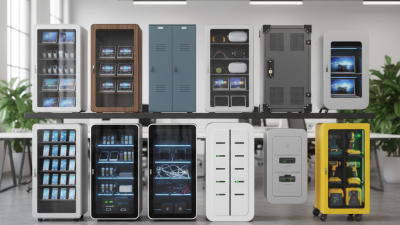
In today's digital age, the need to recharge devices is constant. Educational institutions, businesses, and even homes face challenges in managing multiple gadgets. A Charging Cabinet offers an efficient solution. It not only stores but also charges various devices, from tablets to smartphones.
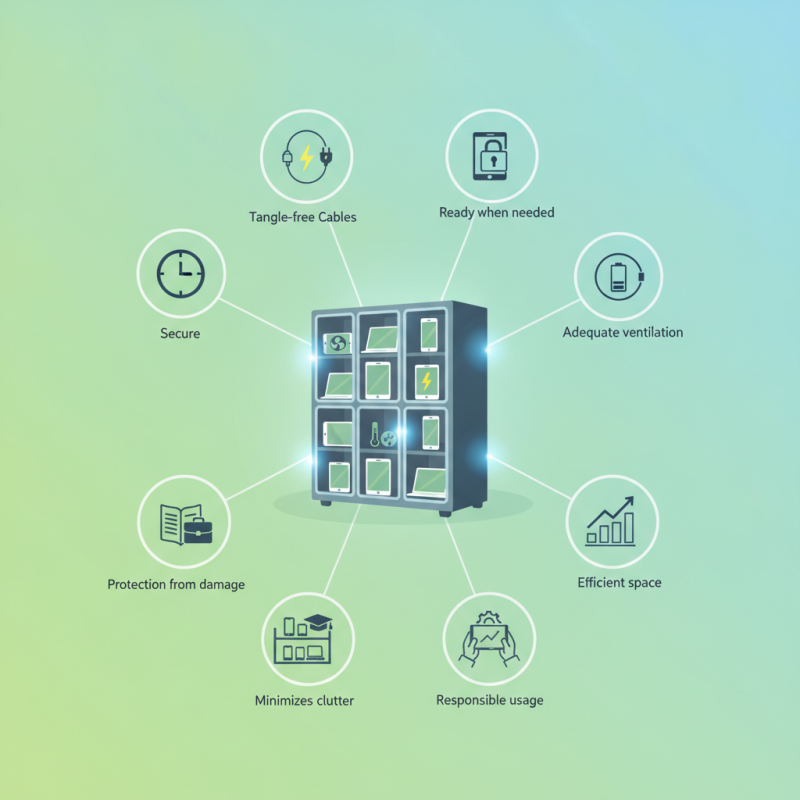
Using a Charging Cabinet can streamline charging processes. This device minimizes clutter, keeping cables organized and devices secure. With a Charging Cabinet, one can ensure that devices are ready when needed. However, some may overlook the importance of adequate ventilation and charging safety. These factors are crucial for device longevity.
The advantages of employing a Charging Cabinet are numerous. It provides protection from damage while encouraging responsible usage. Schools using these cabinets promote a structured learning environment. Businesses benefit from ensuring devices are always charged for productivity. Each feature of a Charging Cabinet contributes to a more organized and efficient space.
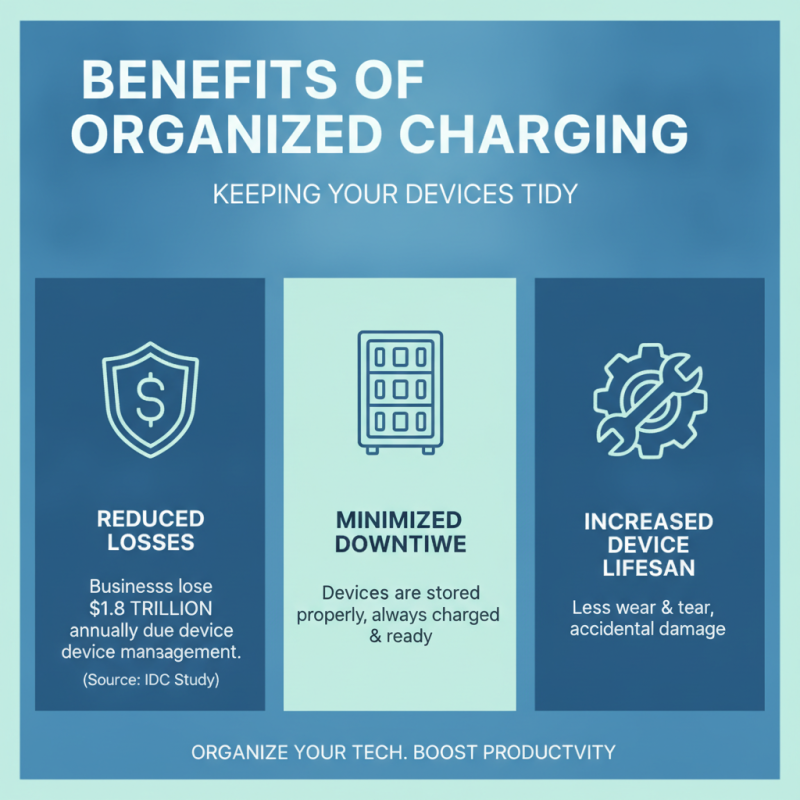
Benefits of Organized Charging: Keeping Your Devices Tidy
Maintaining an organized charging space is crucial in today’s digital world. A study by the International Data Corporation (IDC) indicates that businesses lose approximately $1.8 trillion due to device downtime and mismanagement. An organized charging cabinet can significantly reduce this risk. It ensures that devices are stored properly, minimizing wear and tear. Devices not lying around reduce the chances of accidental damage.
Additionally, efficient charging methods can create a more productive environment. The National Institute of Standards and Technology (NIST) reports that 30% of workers feel more productive in an organized workspace. Charging cabinets help keep devices neatly arranged and easily accessible. This creates a cleaner look, reducing distractions and improving focus for users.
Despite its advantages, proper organization can be challenging to achieve. Sometimes, users might forget to return devices to their designated spots. Regular training and reminders may be necessary. Frequent evaluations of the charging process can ensure devices remain organized and functional. Finding the right balance between convenience and organization is key to maximizing a charging cabinet's benefits.
Enhanced Device Security: Protecting Your Gadgets in Charging Cabinets
Charging cabinets are essential for enhancing device security in educational and corporate environments. According to a report by IDC, nearly 30% of organizations have reported device theft incidents. This alarming statistic underscores the necessity of using charging cabinets to safeguard essential gadgets. These cabinets not only provide structured storage but also feature lockable compartments that deter unauthorized access.
Additionally, charging cabinets can be equipped with advanced security features. Biometric locks, RFID access, and online monitoring systems are becoming popular. A survey by TechRepublic revealed that 65% of IT managers believe that employing such features significantly reduces theft rates. Implementing a charging cabinet can substantially mitigate risk while also ensuring devices are charged efficiently.
However, it's important to recognize that not all cabinets offer the same level of security. The quality of materials and design varies widely across products. A poorly designed charging cabinet could still lead to device damage or even accidental fires. Regular audits and evaluations of the storage solutions should be conducted. This ensures consistent security standards while addressing any emerging vulnerabilities.
Top 10 Benefits of Using a Charging Cabinet for Your Devices
| Benefit |
Description |
Impact on Security |
Frequency of Use |
| Enhanced Security |
Cabinets provide a locked environment for devices. |
High |
Daily |
| Centralized Charging |
All devices charge in one location, reducing clutter. |
Medium |
Multiple times per day |
| Cable Management |
Reduces tangling of cords and keeps workspace organized. |
Low |
Daily |
| Device Lifespan |
Protects devices from overcharging and heat exposure. |
Medium |
Weekly |
| User Access Control |
Restricts access to authorized users only. |
High |
Event-based |
| Health and Safety |
Reduces tripping hazards from charging cables. |
Medium |
Daily |
| Reduction of Theft |
Less risk of devices being stolen in public areas. |
High |
Daily |
| Streamlined Operations |
Encourages efficient use of devices and time. |
Medium |
Daily |
| Environmentally Friendly |
Encourages energy-efficient charging practices. |
Low |
Weekly |
| Increased Productivity |
Ensures devices are always ready for use. |
High |
Daily |
Energy Efficiency: Charging Multiple Devices Simultaneously
Energy efficiency is a key advantage of using a charging cabinet for multiple devices. By enabling simultaneous charging, these cabinets optimize energy usage. According to a report by the International Energy Agency, devices consume a significant amount of energy while charging. The ability to charge several gadgets at once can lead to reduced energy waste. Each charging cycle, when properly managed, ensures minimal power is lost in the process.
Moreover, a charging cabinet can reduce the overall downtime of devices. Multi-device charging enhances productivity, especially in environments like schools or offices. The Energy Star Organization highlights that energy-efficient charging systems can reduce electricity consumption by up to 25%. This statistic underlines the importance of integrating efficient solutions into daily operations. In contrast, inefficient charging methods can lead to longer wait times and increased energy costs, which is a reflection of improper management.
Challenges do exist. Not all devices are compatible with every charging cabinet, which can lead to confusion. Inappropriate placement of charging stations may also hinder accessibility. It’s crucial to choose cabinets wisely and monitor their effectiveness regularly. These considerations are essential for truly harnessing the benefits of energy efficiency. Investing in the right technology requires careful thought and planning.
Time Management: Streamlining Charging Processes for Busy Environments
In today’s fast-paced world, managing time effectively is crucial. A
charging cabinet can significantly streamline the charging processes in busy environments.
Imagine a school filled with students or an office bustling with employees. Everyone has multiple devices that require power. Without efficient charging solutions, chaos can ensue. These cabinets help organize and secure devices while ensuring they are charged and ready to use.
With a charging cabinet, individuals can avoid the hassle of tangled cords and misplaced chargers. Devices can be stored safely, reducing the risk of loss. However, it’s essential to remember that not all charging cabinets solve every problem. Users may find they need to prioritize which devices to charge first.
Streamlining processes often requires a bit of strategic thinking. Creating designated areas within the cabinet can also help. Labeling spots for specific devices, for example, promotes organization. Yet, it might take some time to adapt to a new system.
People may initially struggle to remember the organization scheme. A thoughtful approach will foster efficiency. Emphasizing time management through a charging cabinet transforms not just how devices are powered, but how productivity is maximized in any bustling environment.
Reduced Clutter: Creating a Neat Workspace with Charging Solutions
A charging cabinet streamlines device management in modern workspaces. According to a study by the International Facility Management Association, 60% of employees feel distracted by clutter. A well-organized environment can enhance focus and productivity. A charging cabinet helps achieve that goal.
When devices are neatly stored and charged, the workspace appears more professional. Research indicates that a tidy environment can increase efficiency by up to 25%. This statistic underscores the importance of eliminating visual distractions. An orderly space allows individuals to direct their attention toward tasks.
However, implementing charging solutions does have challenges. Some users may struggle with the initial setup or find it hard to use. This often leads to frustration and potential underutilization. Reflecting on user interactions and gathering feedback can enhance these systems. Continuous improvements will help maintain a clutter-free environment in the long term.




 WS Kate
 Weshare Power Bank