Top 10 Shared Charging Cabinet Solutions for Global Buyers?
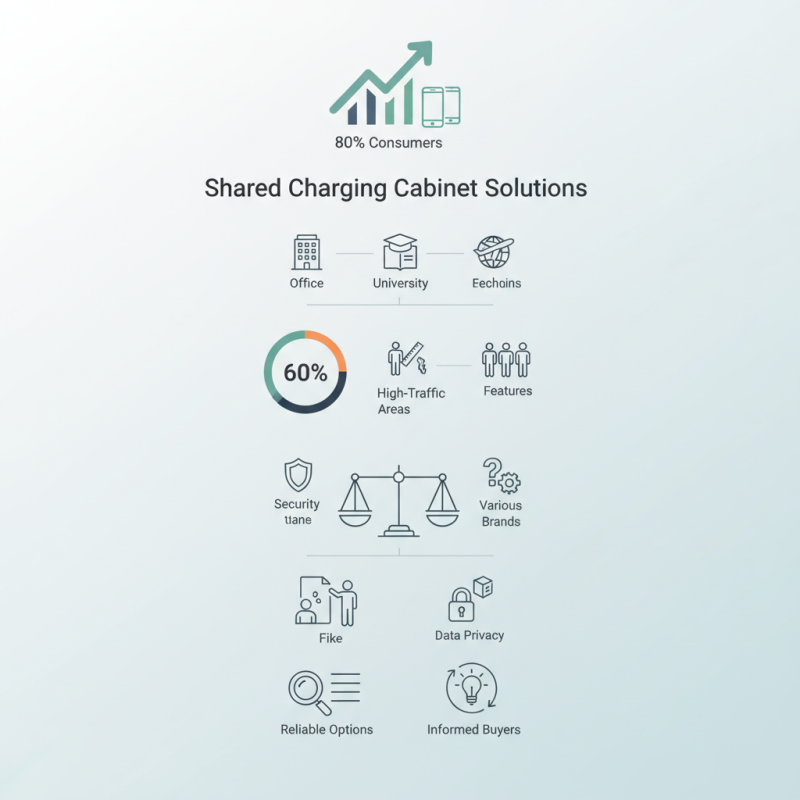
In today’s digital age, the demand for connectivity drives the rise of Shared Charging Cabinets. Industry reports suggest that more than 80% of consumers regularly use multiple devices, highlighting a growing need for convenient charging solutions. Shared Charging Cabinets offer a practical answer to this challenge, enabling users to charge smartphones, tablets, and laptops in public spaces.
These cabinets are increasingly popular in workplaces, universities, and airports. A 2022 survey showed that over 60% of respondents found Shared Charging Cabinets crucial in high-traffic areas. However, choosing the right solution can be daunting. Faced with various brands and features, buyers must weigh factors like security, accessibility, and design.
Despite their benefits, some aspects warrant reflection. Not all cabinets are created equal. Poor placement or lack of maintenance can lead to user frustration. Moreover, while the technology advances, ensuring data privacy remains a critical concern. As the market expands, staying informed about reliable options becomes essential for buyers.
Overview of Shared Charging Cabinet Solutions
The rise of mobile device usage has driven the demand for shared charging cabinet solutions. These cabinets serve as convenient spots for users to charge their devices while on the go. Data from industry reports show that the global charging station market is projected to reach $10 billion by 2027, highlighting a growing trend.
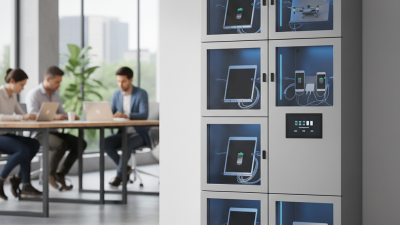
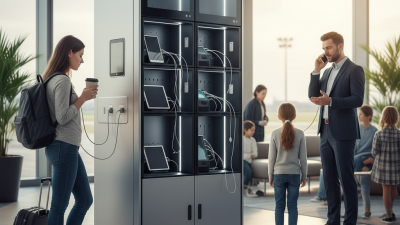
Shared charging cabinets come in various designs, accommodating multiple devices like smartphones, tablets, and even laptops. They are frequently found in public spaces such as airports, cafes, and shopping malls. This accessibility helps mitigate the frustration of battery depletion, especially in high-traffic locations.
Tips: When selecting a shared charging cabinet, consider the security features it offers. Look for options with locking compartments to protect users' devices. Additionally, check compatibility with a wide range of devices to ensure versatility.
Despite their many advantages, there are challenges to address. For instance, maintenance and reliability are crucial. Reports indicate that 30% of users have encountered faulty charging ports at public charging stations. Regular checks and upgrades can improve user experience. A charging cabinet's usability often hinges on the quality of its electrical components.
Key Features to Consider in Charging Cabinets
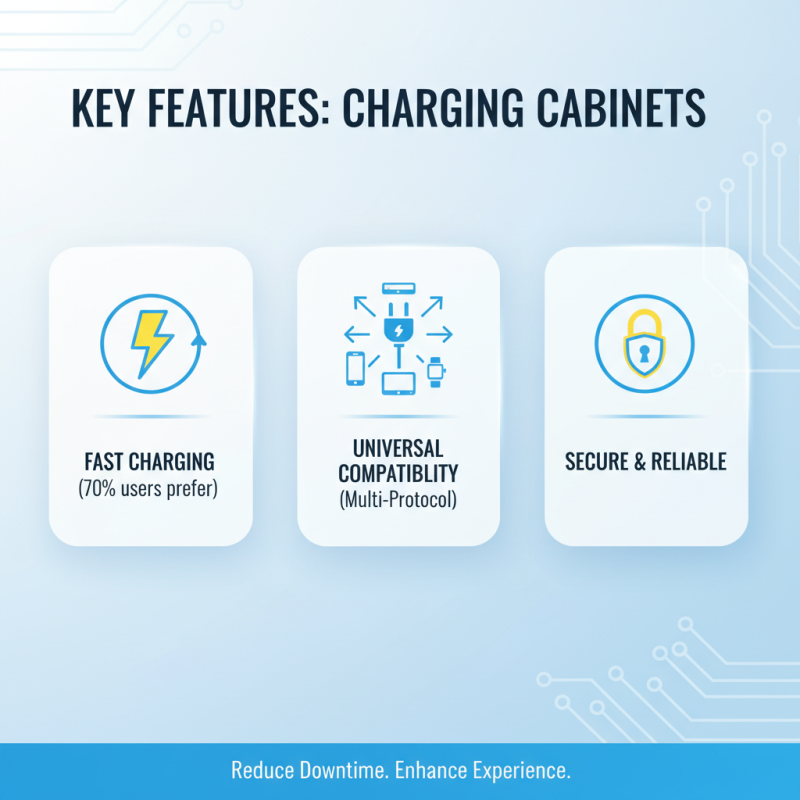
When choosing a shared charging cabinet, several key features can significantly enhance user experience and address operational needs. One critical consideration is the charging speed. According to a recent industry report, 70% of users prefer fast-charging solutions that can reduce downtime. Ensuring that cabinets support various charging protocols is essential. This ensures compatibility with a range of devices, from smartphones to tablets.
Security features are another major concern. Many organizations face issues with device theft. Implementing robust physical security measures, including lockable compartments and surveillance capabilities, remains imperative. Reports indicate that more than 30% of schools experienced loss or damage to charging equipment due to inadequate security. It’s worth contemplating whether the initial investment in secure cabinets might save more in potential losses.
In addition to speed and security, user-friendly designs can greatly improve accessibility. Cabinets featuring intuitive interfaces and clear instructions help users navigate easily. However, some products fall short in usability, leading to user frustration. A balance must be struck between advanced features and practicality. While innovation drives growth, sometimes it adds complexity that could alienate users.
Top Global Brands Offering Shared Charging Solutions
In today’s tech-driven world, shared charging solutions are gaining immense popularity. Studies show that over 75% of consumers demand convenient access to charging facilities. This rising trend highlights the need for businesses and public spaces to adapt. Many global brands recognize this demand and are entering the market with innovative shared charging cabinets.
These charging cabinets cater to various users, from students in universities to travelers in airports. With the average smartphone battery life lasting only about 24 hours, the struggle for charging spots is real. Shared charging stations provide efficient solutions by offering multiple outlets and secure storage. Data indicates that users are 60% more likely to stay at locations that offer charging facilities. This information underscores the substantial benefit for businesses looking to attract and retain customers.
However, not all solutions are perfect. Some cabinets face issues with compatibility across different device types. Furthermore, maintenance can be a concern, as users expect fully functional equipment. Balancing reliability and accessibility remains a challenge for manufacturers. By embracing innovation and addressing these shortcomings, the market can better meet consumer needs and expectations.
Comparison of Pricing Models for Charging Cabinets
In the competitive market of shared charging cabinets, pricing models vary significantly. Buyers face choices between upfront costs, leasing options, and subscription models. Understanding these can be overwhelming. Each pricing structure has its merits. Some models offer lower initial investments, while others may lead to higher long-term costs.
Many buyers overlook the hidden costs in leasing agreements. Always read the fine print. Sometimes, additional fees for maintenance or upgrades can arise unexpectedly. Tips: Consider the total cost of ownership before making a decision. It’s essential to evaluate how often you will use the cabinets. For frequent use, a one-time purchase might be more economical.
Moreover, flexibility is critical. Some companies allow customization in their pricing models, accommodating different budgets. This is beneficial for organizations with varying needs. Remember to assess your capacity for change. Analyze your usage patterns carefully. Tips: Regularly review your charging needs to adapt your purchasing strategy effectively. A flexible approach can save you time and money in the long run.
Top 10 Shared Charging Cabinet Solutions for Global Buyers
| Solution Name |
Number of Ports |
Charging Speed |
Material |
Pricing Model |
Estimated Price (USD) |
| Solution A |
10 |
Fast Charging |
Metal |
One-time purchase |
$300 |
| Solution B |
12 |
Standard Charging |
Plastic |
Subscription |
$15/month |
| Solution C |
6 |
Fast Charging |
Metal |
One-time purchase |
$250 |
| Solution D |
8 |
Standard Charging |
Wood |
Lease |
$20/month |
| Solution E |
15 |
Fast Charging |
Plastic |
One-time purchase |
$400 |
| Solution F |
20 |
Standard Charging |
Metal |
Subscription |
$25/month |
| Solution G |
10 |
Fast Charging |
Plastic |
Lease |
$30/month |
| Solution H |
18 |
Standard Charging |
Wood |
One-time purchase |
$450 |
| Solution I |
25 |
Fast Charging |
Metal |
Subscription |
$35/month |
| Solution J |
5 |
Standard Charging |
Plastic |
Lease |
$10/month |
User Reviews and Feedback on Popular Charging Cabinets
User reviews provide valuable insights into shared charging cabinet solutions. Many users appreciate the convenience of charging multiple devices at once. They find these cabinets particularly helpful in busy environments like schools and cafés. However, some users have reported issues with locking mechanisms. This can be frustrating, especially when sensitive devices are involved.
Feedback often highlights the importance of durable materials. Users stress that sturdiness can significantly affect the longevity of the charging cabinets. Despite the initial investment, quality cabinets save money over time. Yet, some reviewers mention that product instructions can be vague or misleading. This lack of clarity sometimes leads to installation challenges.
Lastly, user experiences vary with customer service. Several buyers have expressed dissatisfaction with slow responses to inquiries. Timely support is crucial, especially if issues arise immediately after purchase. Some users have suggested improved tracking systems for device charging status. These thoughtful recommendations demonstrate the ongoing need for development in this rapidly evolving market.
Top 10 Shared Charging Cabinet Solutions - User Reviews and Feedback





 WS Kate
 Weshare Power Bank