What is a Power Bank Sharing Cabinet and How Does It Work?
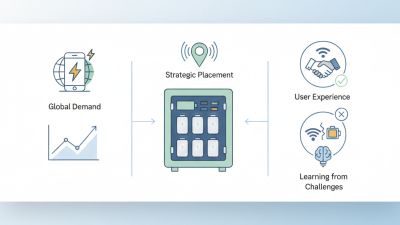
The rise of mobile device usage has created a demand for convenient charging solutions. As of 2023, the global power bank market is projected to reach USD 9.95 billion, with a compound annual growth rate of 21.4%. Amidst this growth, the concept of a Power Bank Sharing Cabinet has emerged. This innovative solution allows users to rent power banks through strategically placed kiosks, often located in busy public spaces.
Dr. Emily Chen, a leading expert in renewable energy solutions, states, "Power Bank Sharing Cabinets represent a shift towards sustainable energy consumption, providing accessibility for all." Her insights highlight the importance of integrating renewable energy sources into everyday conveniences. The cabinets not only meet the immediate charging needs of users but also emphasize environmentally friendly practices.
Despite the potential benefits, challenges remain. The infrastructure for these sharing cabinets must be reliable and user-friendly. Some users have reported issues with availability during peak hours. The industry must continue to refine the user experience, ensuring that this solution remains efficient and accessible.
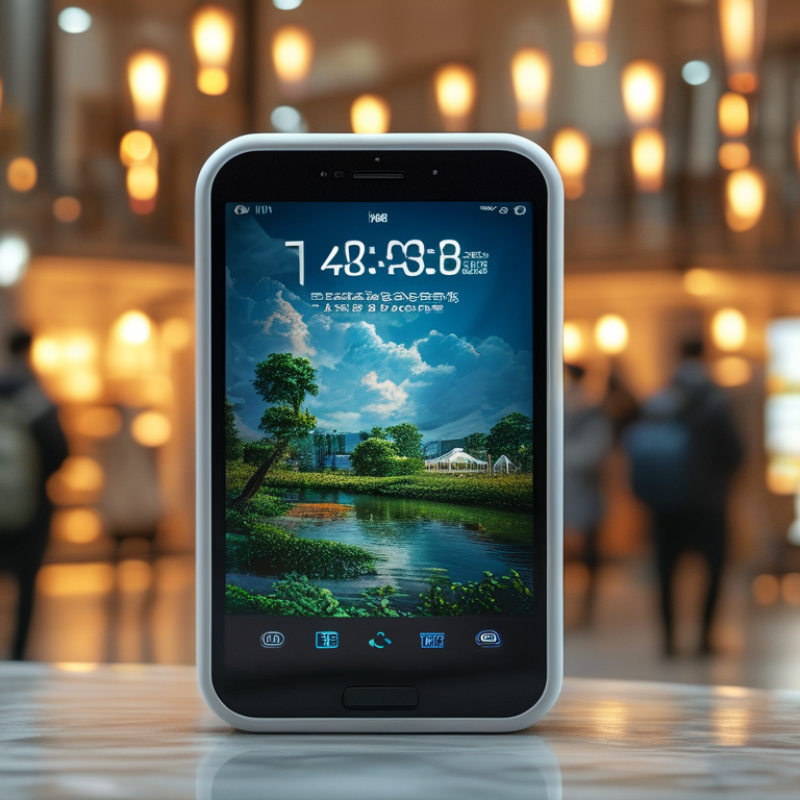
What is a Power Bank Sharing Cabinet?
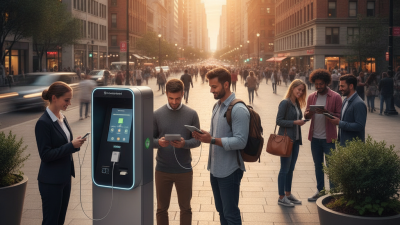
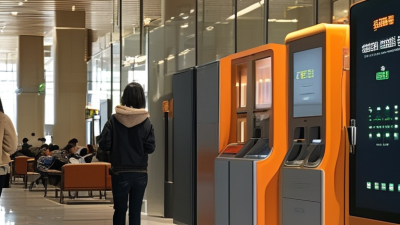
A power bank sharing cabinet is an innovative service designed to meet the charging needs of mobile users. These cabinets are typically found in high-traffic areas, such as shopping malls, airports, and transportation hubs. They store multiple portable chargers, allowing users to rent them when their devices run low on battery.
When someone needs a charge, they can approach the cabinet and rent a power bank. Users simply need to follow the instructions displayed on the cabinet's interface. Most cabinets require a small deposit or rental fee, which may vary. The entire process is designed to be user-friendly, even for those who may not be tech-savvy.
Despite the convenience, there are challenges. Often, people forget to return chargers or may not have the exact change for the rental. This can lead to frustration and loss of trust in the system. Moreover, not all cabinets are stocked equally. Some may have outdated or damaged chargers, which can hinder a smooth user experience. Users should always check the functionality of the power bank before leaving the cabinet.
Key Components of a Power Bank Sharing Cabinet
A power bank sharing cabinet is an innovative solution for charging devices on the go. This system allows users to rent power banks via a kiosk or app, ensuring they have power when needed. The growing demand for mobile device charging points is evident; according to a recent industry report by Statista, over 55% of consumers seek reliable charging options in public spaces.
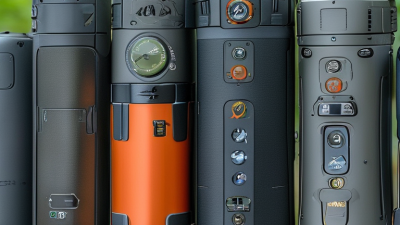
Key components of a power bank sharing cabinet include the charging slots, power bank storage, and a user interface. Each slot is designed to securely hold a power bank, while also allowing for efficient charging. The user interface typically consists of a touchscreen that facilitates rentals, user verification, and payment processing. Moreover, data analytics play a vital role, tracking usage patterns and optimizing inventory.
Tips: Always check the battery health status before renting. A well-maintained power bank ensures efficient charging. Look for cabinets equipped with multiple charging options. This accommodates various device brands and models, enhancing user satisfaction. Consider using a sharing cabinet during peak hours. Demand can rise significantly during events or festivals, so plan accordingly.
How Power Bank Sharing Cabinets Operate
Power bank sharing cabinets have gained popularity due to the increasing demand for portable charging solutions. These innovative units are strategically placed in high-traffic areas, allowing users to rent power banks as needed. The operation is seamless: users simply locate a nearby cabinet via mobile apps, unlock it, and borrow a power bank for a short period. Statistics show that 40% of people experience low battery anxiety daily, underscoring the relevance of this service.
Once borrowed, users return the power bank to any cabinet nearby, making the process convenient and flexible. The cabinets are equipped with IoT technology that tracks each unit. Reports suggest that the global power bank market is expected to reach $30 billion by 2026, highlighting the growth of this sector. This trend suggests a significant demand for sharing services as urbanization increases.
**Tips:** Always check the availability of nearby cabinets before heading out. Test the power bank briefly to ensure it functions properly. Understanding the pricing structure can also save you surprises later. The concept still has room for improvement, especially regarding the consistency of power bank quality across different cabinets.
What is a Power Bank Sharing Cabinet and How Does It Work?
| Feature |
Description |
| Purpose |
To provide convenient access to power banks for charging mobile devices. |
| Operation |
Users can rent a power bank by scanning a QR code on the cabinet. |
| Charging Time |
Typically takes 1-3 hours depending on the power bank capacity and device. |
| Rental Fee |
Varies by location and duration of use, usually a small fee applies. |
| Return Process |
Users return the power bank to any cabinet location after use. |
| Advantages |
Convenience, accessibility, and promotes sustainable energy use. |
| Challenges |
Availability of units, maintenance, and theft prevention. |
Advantages of Using Power Bank Sharing Cabinets
Power bank sharing cabinets provide an innovative solution for charging devices on the go. They have gained popularity due to their many advantages. For those often on the move, these cabinets offer convenience and accessibility. Users can rent a power bank to charge their devices quickly without worrying about finding an outlet.
One of the key benefits is the flexibility they provide. People no longer need to carry their chargers everywhere. This is particularly useful during outings or travel. Power bank sharing cabinets are strategically located in busy areas, making them easy to find. Users can simply scan a QR code to rent a power bank, which is intuitive and time-saving.
Tip: Always check the battery level before renting a power bank. It’s disappointing when you realize it’s low. Another tip is to return the power bank promptly. This can help avoid extra fees and ensures availability for others. Ultimately, power bank sharing cabinets enhance daily life by keeping devices charged efficiently, although the reliability of battery levels can sometimes be a concern.
Common Use Cases for Power Bank Sharing Cabinets
Power bank sharing cabinets are becoming essential in public spaces. These cabinets allow users to rent portable chargers when their devices run low on battery. They are commonly found in busy areas like airports, shopping malls, and universities. A report by Statista indicates that 67% of smartphone users face battery anxiety. This underscores the need for convenient charging solutions.
In urban environments, these cabinets serve various use cases. For example, travelers can quickly charge devices in airports. According to industry data, around 70% of travelers express frustration when their devices die during journeys. Students can utilize sharing cabinets in campus settings. Many report needing urgent access to power during long hours of study.
Despite their growing popularity, the operational model faces challenges. Maintenance is crucial to ensure a seamless user experience. Regularly checking battery health and availability is often overlooked. In some cases, users may encounter low stock or malfunctioning units. This can lead to dissatisfaction and potential loss of customers. Addressing these operational issues is vital for long-term success in the power bank sharing market.
Power Bank Sharing Cabinet Usage Statistics



 WS Kate
 Weshare Power Bank