Top 10 Benefits of Using Shared Power Bank Stations for Your Devices
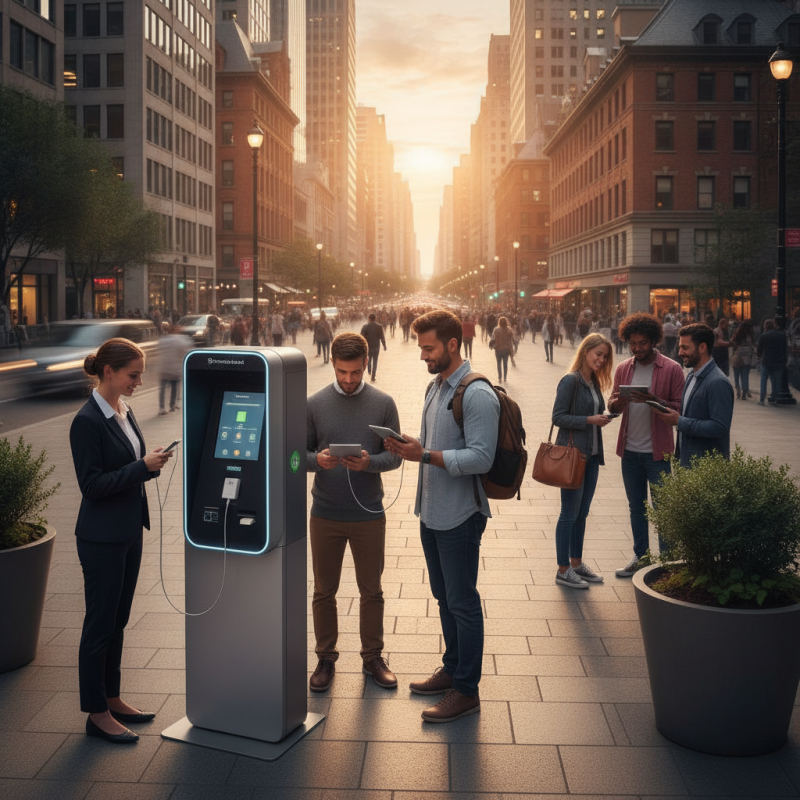
As technology continues to enhance our daily lives, the demand for reliable power sources grows. A recent report from Statista indicates that mobile device usage worldwide surpassed 5 billion in 2022. With this surge, the need for charging solutions becomes critical. Enter the Shared Power Bank Station, a practical solution to our charging dilemmas, often found in busy urban centers and commercial venues.
Experts in the field, like Dr. Emily Chen, highlight the importance of Shared Power Bank Stations. She states, "Providing easy access to power solutions can significantly enhance user experience." This sentiment resonates in today's fast-paced environment. Many users face the frustration of low battery life. Shared Power Bank Stations offer a reliable alternative, ensuring that devices are always powered.
According to recent surveys, 78% of users prefer shared stations over traditional charging options. These stations not only provide convenience but also promote sustainability. However, the industry faces challenges, such as device compatibility and maintenance. Addressing these issues is crucial for the growth and reliability of Shared Power Bank Stations.
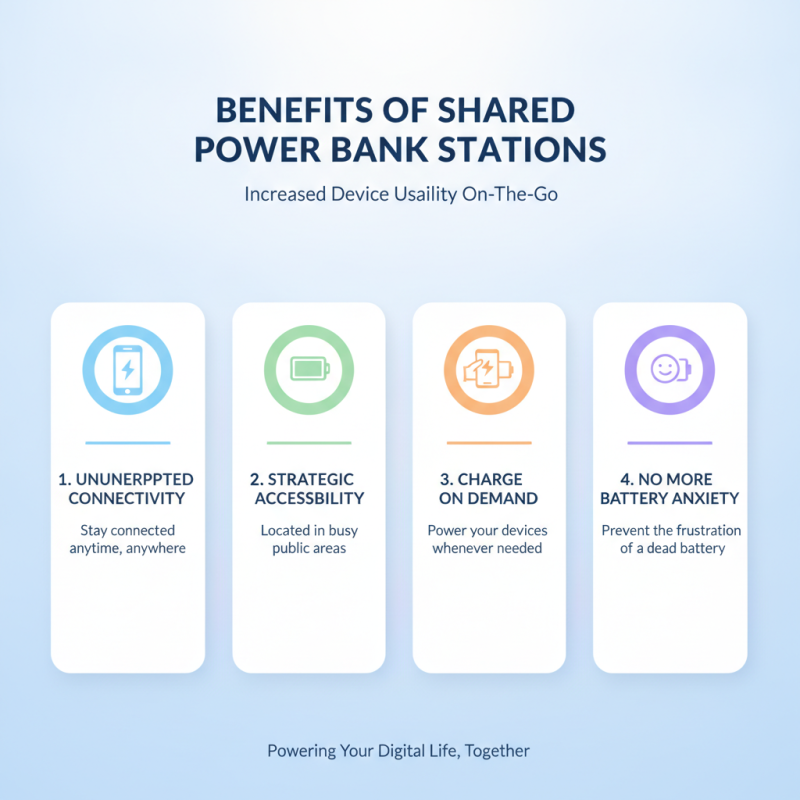
Benefits of Shared Power Bank Stations for Increased Device Usability
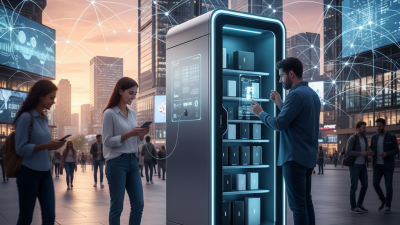
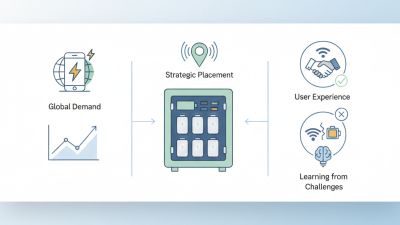
In today's digital age, staying connected is essential. Shared power bank stations offer a practical solution for device usability. These stations are strategically placed in busy areas, ensuring you can charge your phone, tablet, or other devices whenever needed. With their increased accessibility, users can recharge on-the-go, preventing the frustration of a dead battery.
Using shared power banks also encourages us to be more mindful about our device usage. We often rely heavily on our smartphones but may forget the need to conserve battery life. Tapping into a shared charging station helps balance device use and battery management. This is a good time to think about how often we charge our devices and the necessity of constant connectivity.
When using shared power bank stations, remember to secure your devices. It's wise to keep an eye on your belongings while charging. Place your device in a safe spot to avoid accidents. Additionally, check the condition of the charging cables before use. Faulty cables can lead to more issues. Engaging with these stations can make us more aware of our charging habits, but it requires vigilance.
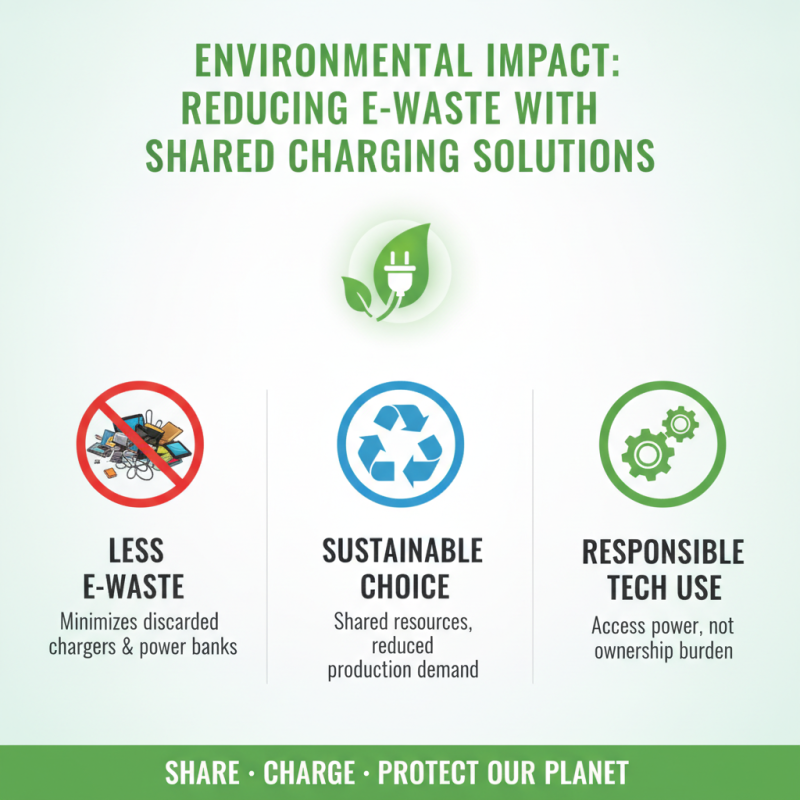
Environmental Impact: Reducing E-Waste with Shared Charging Solutions
The rapid rise of technology has led to increased electronic waste, a ticking time bomb for our environment. Shared power bank stations serve as a sustainable solution to this growing problem. By using shared charging solutions, users contribute to a reduction in e-waste. Instead of buying individual chargers, people can access shared power banks wherever they go. This not only minimizes waste but also encourages a more responsible approach to electronics.
Every year, millions of power banks are discarded. They often contain harmful materials that can pollute our land and water. Shared systems promote the idea of reusability and sharing, thus extending the life cycle of charging devices. Even with these benefits, concerns about hygiene and reliability remain. Users often wonder about the cleanliness of shared chargers and whether they perform as promised. Addressing these doubts is essential for wider adoption.
Sustainability should be a collective effort. While shared power bank stations significantly reduce e-waste, ongoing education on their importance is vital. Users also need to be more mindful of their electronic consumption. Embracing shared technology is one step, but it requires a cultural shift in how we view personal electronic products. Change begins with informed choices and community engagement.
Cost-Effectiveness: Analyzing Pricing Models for Shared Power Banks
Shared power bank stations have become a popular solution for keeping devices charged on the go. Assessing the cost-effectiveness of these stations reveals significant potential for users and providers alike. According to a recent industry report, the average user spends about $5-$15 per month on personal power banks. Shared services, however, can reduce this cost dramatically. Users pay only when they need a charge, leading to savings of up to 50%.
Pricing models vary, yet many stations offer flexible plans. The most common options include pay-per-use and subscription models. The pay-per-use model typically charges around $1 for a few hours of use. For frequent users, monthly subscriptions can average around $10. This makes shared stations a budget-friendly choice. Notably, in areas with high foot traffic, these stations can generate significant revenue, providing a sustainable business model.
Despite these advantages, there are challenges. Users must locate stations when needed, which can be inconvenient. Additionally, the reliability of devices may vary, affecting user experience. Industry experts suggest that improving station placements and device quality could enhance overall satisfaction. Providing users with real-time information on station availability may further address these issues. The goal is to balance affordability with accessibility, crafting an efficient charging solution for all.
Top 10 Benefits of Using Shared Power Bank Stations
Convenience in High Traffic Areas: Usage Data from Urban Environments
In urban environments, shared power bank stations have become a game-changer. High traffic areas like public transportation hubs, shopping centers, and parks see a growing need for charging solutions. Usage data shows that people frequently experience low battery anxiety. This leads them to seek convenient options. Power bank stations offer just that. Users can rent a power bank quickly, fill their devices, and get back to their day.
These stations are strategically placed where foot traffic is high. For instance, a busy metro station can have several units, reducing wait times. A simple scan of a QR code allows users to unlock a power bank. Yet, not all stations are always functional. Occasionally, you might find a device that hasn’t been maintained. This could frustrate a user in need. Quality control is essential for ensuring reliability.
Furthermore, shared power banks promote eco-friendliness. They advocate for device sharing rather than individual ownership. Still, there are challenges. People need to be educated about their usage. Awareness campaigns can help users understand how to properly return devices. Overall, the data suggests that these stations are beneficial, but improvement in reliability and education is crucial for full potential.
Boosting Customer Satisfaction: Case Studies from Retail and Hospitality Sectors
In the retail and hospitality sectors, customer satisfaction is paramount. Implementing shared power bank stations can significantly enhance the customer experience. For instance, busy shoppers often face low battery issues while browsing. Access to chargers means they can stay connected and continue engaging with brands. This convenience creates a positive shopping atmosphere, encouraging longer visits and increased spending.
In hotels, guests appreciate amenities that simplify their stay. Shared power banks provide a solution for travelers who depend on their devices for navigation and communication. Imagine a family exploring a city. They can power their devices without searching for outlets or worrying about battery life. Case studies show that properties offering these chargers see improved guest feedback and repeat visits.
However, there are challenges to consider. Not all clients may be aware of these services. Marketing and signage play a crucial role in visibility. Conversations with guests can reveal their thoughts on the service. Gathering feedback is essential for ongoing improvement. Addressing these concerns will help businesses optimize their offerings, ultimately enhancing customer satisfaction and loyalty.
Top 10 Benefits of Using Shared Power Bank Stations for Your Devices
| Benefit |
Description |
Impact on Customer Satisfaction |
Case Study Reference |
| Convenience |
Allows customers to charge devices without searching for outlets. |
Increases duration of customer stay. |
Retail Sector A |
| Increased Dwell Time |
Encourages customers to spend more time in venues. |
Higher average sales per customer. |
Hospitality Sector B |
| Brand Loyalty |
Positive experiences foster repeat visits. |
Building a loyal customer base. |
Retail Sector C |
| Customer Engagement |
Encourages interaction with services and products at the location. |
Increases sales conversion rates. |
Hospitality Sector D |
| Technology Integration |
Utilizes innovative technology providing additional services. |
Enhances brand perception. |
Retail Sector E |
| Data Collection |
Collects data on customer usage patterns. |
Improves service offerings based on data. |
Hospitality Sector F |
| Lower Operational Costs |
Reduces the need for traditional charging stations. |
Cost-effective for businesses. |
Retail Sector G |
| Enhanced Customer Experience |
Provides amenities that align with customer needs. |
Increases satisfaction ratings. |
Hospitality Sector H |
| Competitive Advantage |
Differentiates businesses in crowded markets. |
Attracts more customers. |
Retail Sector I |
| Sustainability |
Promotes eco-friendly technology use. |
Enhances brand image. |
Hospitality Sector J |




 WS Kate
 Weshare Power Bank