What is Power Bank Station Share and How Does It Work?
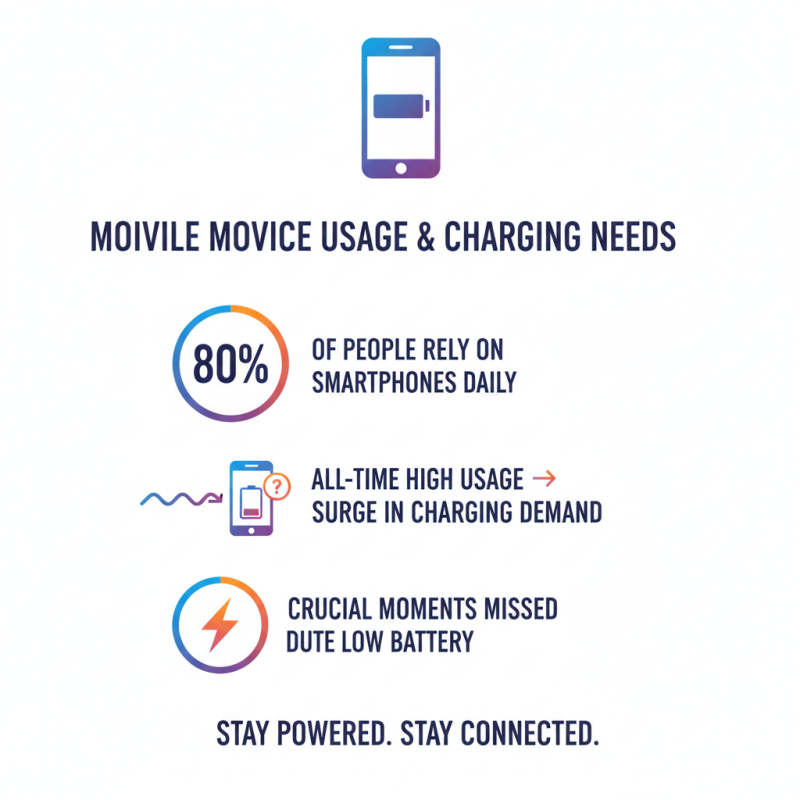
In today's fast-paced digital world, staying connected is crucial. Yet, battery life often limits our ability to do so. Enter the innovative solution: Power Bank Station Share. This service allows users to rent portable chargers in various public spaces. It's designed to meet the growing demand for continuous power access.
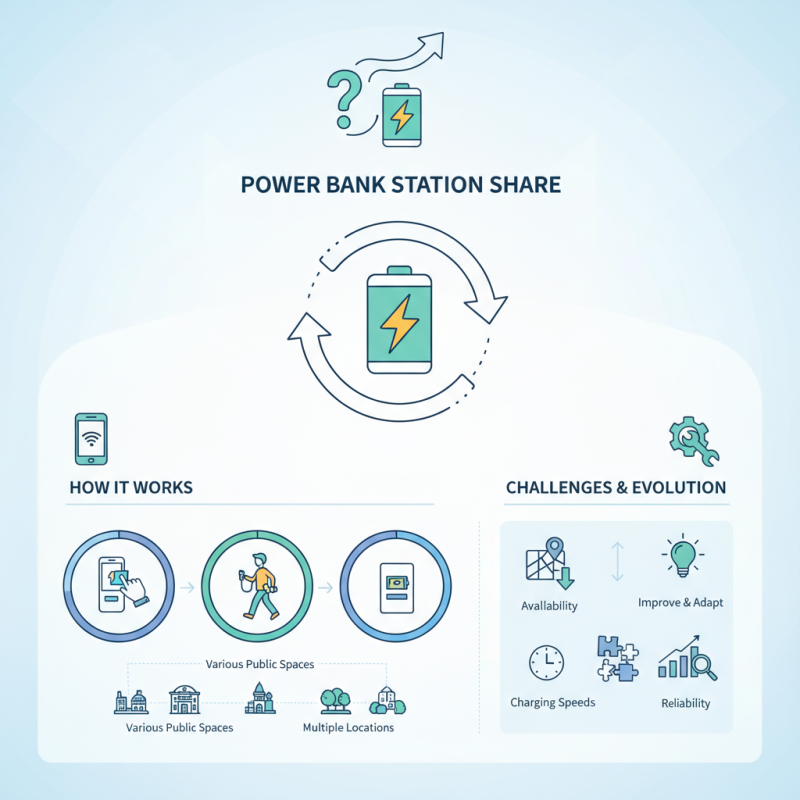
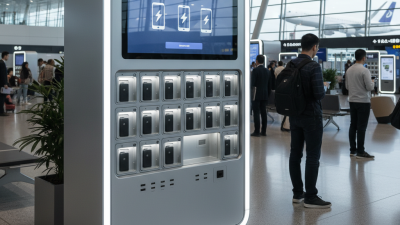
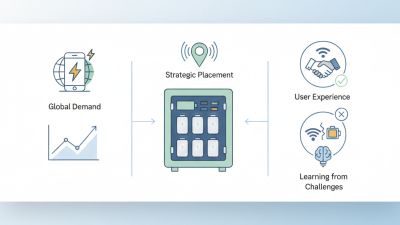
Power Bank Station Share operates through strategically placed kiosks. These kiosks offer a seamless user experience. They feature easy-to-use interfaces and clear instructions. Users can quickly rent and return power banks at multiple locations. This flexibility is vital for those on the go.
However, this system is still evolving, with some challenges. Availability of stations may vary by location. Users sometimes encounter issues with charging speeds or compatibility. With these factors in mind, Power Bank Station Share continues to improve and adapt. It aims to enhance convenience and reliability for all users.
What is a Power Bank Station Share?
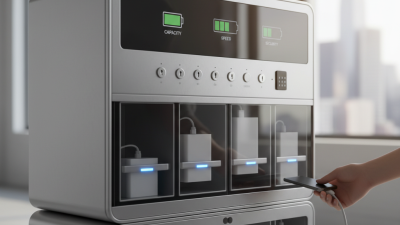
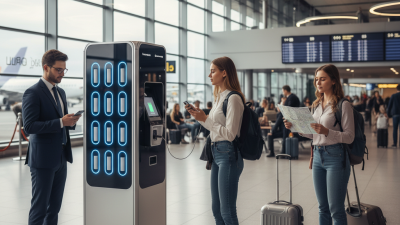
A power bank station share is becoming a vital part of urban convenience. It provides an easy solution for charging devices on the go. These stations are often located in busy areas like shopping malls, airports, and parks. Users can rent power banks for short or long durations, ensuring their devices stay charged.
The operation is simple and user-friendly. To get a power bank, a user scans a QR code on the station. They can choose a power bank and pay through an app or another payment method. After using the power bank, it must be returned to any station. This flexibility appeals greatly to people on the move.
However, the system isn't without challenges. Some users may forget to return power banks, causing inconvenience for others. The error of late returns can lead to extra fees. Additionally, not all locations have adequate charging stations, limiting access. Continuous improvement in service quality and station distribution is essential to enhance user experience.
What is Power Bank Station Share and How Does It Work?
| Feature |
Description |
Benefits |
Usage Examples |
| Convenience |
Allows users to charge devices on the go without carrying their own power banks. |
Easily accessible charging options in public places. |
Shopping malls, parks, airports. |
| Flexibility |
Users can rent a power bank station and return it to any location. |
Increases flexibility for users by not being tied to one location. |
Traveling between different locations. |
| Affordability |
Low-cost rental options as compared to purchasing power banks. |
Cost-efficient for occasional users. |
Short trips, day outings. |
| Multiple Charging Ports |
Power bank stations typically offer multiple ports for simultaneous device charging. |
Allows multiple users to charge at once, reducing wait times. |
Group outings, events. |
| Tracking and Accessibility |
Users can track available stations using mobile apps. |
Improves user experience by providing real-time information. |
Citywide navigation apps. |
Key Components of Power Bank Stations
Power bank stations are becoming essential in public spaces. They provide a convenient solution for charging mobile devices on the go. Key components of these stations contribute to their effectiveness and user experience.
One critical component is the charging pod. Each pod typically houses multiple USB ports, allowing several users to charge devices simultaneously. Reports indicate a 40% increase in the demand for public charging solutions since 2020. This surge highlights the importance of reliable and efficient charging options. It’s worth noting, however, that the capacity of these charging pods often varies, which may affect charging speed.
Another important aspect is the battery management system. This system ensures optimal charging conditions. It regulates the electricity flow to prevent overheating, which can damage devices. According to industry analysis, as much as 25% of power bank failures stem from inadequate battery management. User feedback often points to frustrations over charging times, emphasizing the need for robust systems.
Security features are also vital. Many stations include anti-theft alarms or secure lockers for added safety. Data shows that 15% of users worry about device security while charging in public. Addressing these concerns is essential for improving user confidence and usage rates.
How Power Bank Sharing Systems Operate
Power bank sharing systems have transformed the way we stay connected. These stations provide an easy and convenient solution for people on the go. Users can rent portable chargers from kiosks located in busy areas, such as airports, malls, and train stations. According to a report by MarketsandMarkets, the global power bank market is projected to reach $29 billion by 2025. This growth highlights the increasing demand for energy solutions in public spaces.
Each power bank station is equipped with multiple portable chargers. Users simply scan a QR code to rent a power bank. The simplicity of the rental process attracts users. However, it also raises concerns about battery hygiene and availability. In a recent survey, about 45% of users expressed reservations about the cleanliness of shared chargers. Addressing these concerns is essential for the industry's credibility.
Moreover, power bank stations typically rely on a robust app for user management. This app allows customers to track their usage and return locations. Yet, the need for consistent connectivity can hinder user experience, especially in remote areas. An analysis from Business Insider shows that while the market is growing, up to 30% of potential customers may experience issues with app functionality. Continued technological improvements are crucial for sustainable growth in this sector.
Benefits and Challenges of Power Bank Station Sharing
Power bank station sharing is emerging as a convenient solution for on-the-go charging. Users can rent power banks from stations located in busy areas. This model is gaining popularity due to the increasing demand for mobile device usage. According to industry reports, the global power bank sharing market is expected to reach $1.5 billion by 2025, driven by the rise in smartphone adoption and the need for accessibility.
However, this sharing system faces several challenges. First, maintenance and operational costs can be high. Stations must be regularly stocked and monitored. Additionally, there is a risk of theft or damage to devices. A study showed that nearly 20% of power banks returned to stations are reported missing or unusable. This can lead to increased prices for consumers, undermining the value proposition of sharing.
User experience is vital. Many users report frustration when stations are out of service or lack sufficient availability. In a recent survey, 35% of users expressed dissatisfaction with the reliability of these stations. This feedback highlights the need for improvement in service quality and availability. Addressing these challenges is essential for the sustainable growth of power bank sharing as a reliable service.


 WS Kate
 Weshare Power Bank