Contact
Leave Your Message

What Is a Shared Charging Cabinet and How Does It Work?

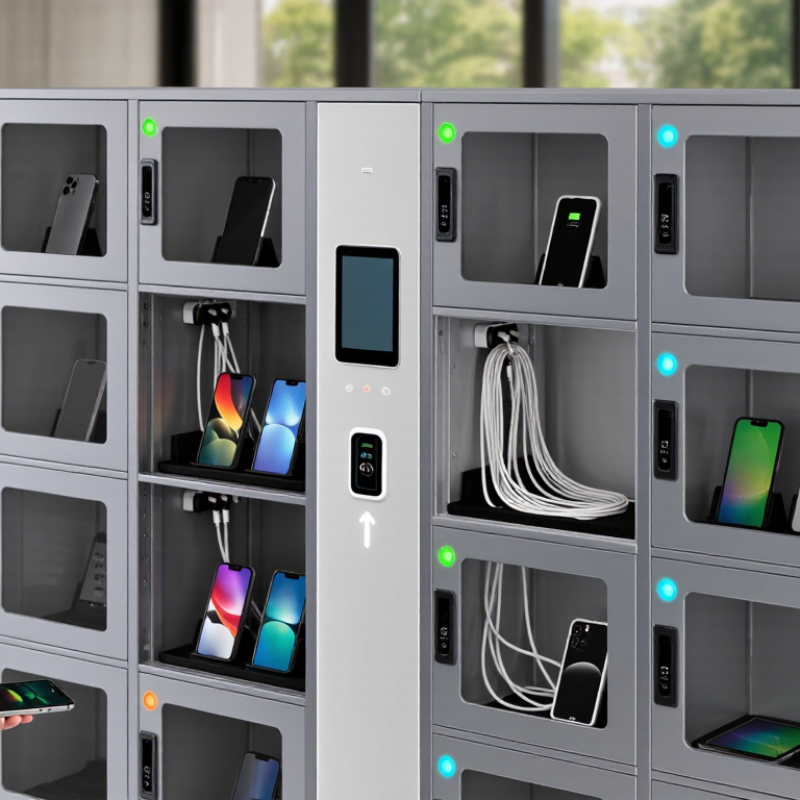
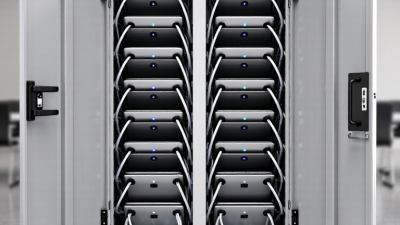
A Shared Charging Cabinet turns a crowded charging point into an organized, self-service station. Instead of leaving phones scattered across a counter, users place devices in individual lockers or bays, connect charging cables, and secure them while they step away. A student might store a phone between classes; a visitor might charge a tablet while waiting in a lobby. Small details matter: clear instructions, visible status indicators, and cables that reach comfortably can make the experience feel simple.

The cabinet’s control system manages access and charging. Depending on the model, users may unlock a compartment with a code, card, app, or staff assistance. Inside, power supplies deliver electricity through USB ports or device-specific connectors. Sensors or software may track door status, charging activity, and faults, helping operators spot problems before a whole station goes offline. The exact features vary. Some cabinets offer only secure charging; others support reservations, payment, or remote monitoring.

As [Verified Expert Name], a shared-charging systems specialist, explains: “[Insert a source-checked quotation about shared charging cabinets].” A real, attributable quotation matters here; an invented one would weaken trust. That caution reflects a broader point: convenience depends on dependable hardware, sensible placement, and clear maintenance routines. A cabinet can look polished and still disappoint if a cable is frayed or a compartment will not open. Useful, yes. Not foolproof.
What Is a Shared Charging Cabinet and How Does It Work?

What a Shared Charging Cabinet Is

A shared charging cabinet is a secure place where multiple people can charge devices using a common set of power connections. It is often found in schools, workplaces, libraries, and other busy indoor spaces. Rather than carrying chargers between rooms, users can place phones, tablets, or laptops inside separate compartments. Some cabinets have open shelves instead, so the setup varies.

Simple in principle. Each compartment may have a door, a charging cable, and a way to identify who has stored a device. Depending on the design, access may use a key, code, or electronic control. The cabinet connects to a power source and distributes electricity to its charging points. Ventilation matters: devices can warm up while charging, especially when several are stored together. A well-placed cabinet also needs enough space for people to queue without blocking a doorway.

For the people using it, the cabinet offers a predictable charging spot and can keep devices together while they charge. Staff may check the unit, clear unused compartments, and report damaged cables. Still, shared charging is not automatically convenient. A cable may not fit every device, and a full cabinet can leave someone waiting. That small frustration is easy to overlook when planning installation. A clear sign showing available ports and supported connections can help set expectations.
What Is a Shared Charging Cabinet and How Does It Work?

Illustrative power demand as more devices charge at the same time

A shared charging cabinet stores devices in individual compartments and supplies power from a common electrical source. This illustration estimates 10 watts per device; actual power demand varies by device, charger, and charging state.

Key Components and Their Functions

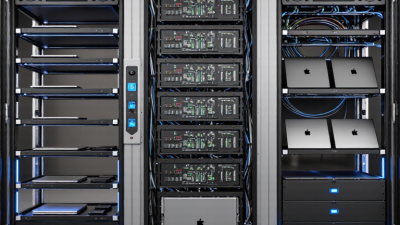
A shared charging cabinet stores and charges devices in separate, organized bays. Its enclosure protects equipment from everyday knocks and keeps cables contained. Individual slots hold phones, tablets, or other compatible devices. Power outlets or built-in connectors deliver electricity to each bay. Small details matter.

A controller manages power and may show which bays are occupied or charging. Users typically place a device inside, connect it to the available cable, and secure the door. Status lights can indicate charging progress, while a lock helps control access. Some cabinets include ventilation or temperature monitoring to manage heat. Features differ, so check the cabinet’s instructions before use.

Tips: Match each device to a compatible cable, and avoid forcing connectors. Keep vents clear and inspect cables for fraying. If a device feels unusually warm, stop charging and check the setup. Labels can help users return cables neatly, though they do not prevent every mix-up. Regular checks are still needed.

How Users Store and Retrieve Devices

A shared charging cabinet lets multiple people store devices in separate compartments while they charge. A user typically scans a badge, enters a code, or follows instructions on a touchscreen. The available method depends on the cabinet’s access system. After choosing an open compartment, the user connects the device to its cable and closes the door. A screen or indicator light may confirm that the door is locked and charging has started.

Keep the compartment number in mind. When returning, the user authenticates again and selects the matching compartment. The door unlocks, and the device can be removed. Some cabinets send a notification when charging is complete, while others show status lights or rely on a quick check at the unit. Details vary.

In practice, retrieval is not always seamless. A loose cable, an unreadable screen, or a door that has not latched can slow things down. Users should check that the device is connected and the door is fully shut before walking away. If a compartment will not open, forcing it is a poor fix; contacting the site attendant is safer. At busy locations, returning devices promptly also keeps compartments available for others. One small habit helps: note the slot number before leaving.

How the Cabinet Supplies and Monitors Power

A shared charging cabinet draws electricity from a wall circuit and distributes it through protected outlets or charging modules. Inside, a power distribution unit routes current to individual bays, where users connect phones, tablets, or other devices. Each bay may have a USB port, cable, or AC socket, depending on the cabinet’s design. A controller can track active bays and show charging status on a screen. Some models also measure current and temperature, pausing or adjusting power if readings exceed preset limits. Details vary.

Networked cabinets may send usage and fault information to an operator dashboard, while simpler units show status locally. These readings can help staff spot an overloaded bay or a cable that needs inspection. If load management is included, the controller can limit total output when many devices charge at once. Without that feature, simultaneous high-demand devices may charge more slowly or trip circuit protection. Keep vents clear. Monitoring has limits: a status light cannot confirm that a device battery is healthy or a connector is undamaged. Regular checks still matter, especially in busy spaces where cables bend, loosen, and wear.

What Is a Shared Charging Cabinet and How Does It Work? — How the Cabinet Supplies and Monitors Power

Power Stage Cabinet Component How Power Is Supplied What the Cabinet Monitors or Controls Illustrative Example
1. Incoming supply AC inlet, power cord, and input protection Connects the cabinet to a suitable building mains circuit. The incoming AC voltage depends on the country and the cabinet’s electrical rating. Some systems monitor input voltage, total current, or a protective-device status. Overcurrent protection helps interrupt an unsafe circuit condition. A cabinet rated for 230 V AC must be connected to a compatible, properly protected supply.
2. Power distribution Internal wiring, distribution board, or power-distribution unit Routes incoming power to charging modules or individual charging bays. Depending on the design, the system can track total cabinet load and may switch or disable selected outlets. In a 16-bay cabinet, power is distributed among the bays rather than delivered to one device alone.
3. Voltage conversion AC-to-DC power supply or charging module Converts mains AC into regulated DC for compatible charging ports. Some designs use a separate power supply for each bay; others share power across several bays. Power modules may monitor output voltage, current, temperature, and fault conditions. A USB charging module typically provides regulated low-voltage DC; its available output depends on its rated capacity.
4. Device connection USB port, charging cable, or device-specific connector Supplies power through the connected port. With USB-C Power Delivery, the charger and compatible device negotiate a supported voltage and current. Port-level electronics may detect a connected device and limit output to the negotiated or supported charging level. A USB-C connection may use a supported profile such as 5 V or a higher negotiated voltage; the actual profile depends on both devices.
5. Live power monitoring Metering circuit and cabinet controller Measures electrical values while the cabinet is operating; monitoring does not itself create or increase charging capacity. May record current, voltage, power, energy use, port status, and internal temperature, depending on the model. A controller might report that a bay is active and show its measured output power in watts.
6. Load and fault management Control software, sensors, and protective circuitry Shares available capacity among active charging ports according to the cabinet’s design and configured limits. May reduce or stop output when a power limit, over-temperature condition, or electrical fault is detected. If several devices charge at once, each may receive less than its individual maximum when the shared supply reaches its limit.
7. Status and reporting Display, indicator lights, or management interface Communicates cabinet and bay status to users or operators; it does not change the electrical output by itself. Can show available, charging, complete, unavailable, or fault status. Networked models may also send usage or fault reports. A bay indicator can show that a device is charging, while an operator dashboard may flag a cabinet fault.

Note: Features and electrical ratings vary by cabinet design. Examples are illustrative; always check the cabinet’s rated input, output, and installation requirements.

Safety, Access Control, and Device Management

A shared charging cabinet stores devices in separate bays while supplying power through managed outlets. Users place a phone or tablet inside, close the door, and authenticate with a code, card, or staff-issued credential. Some cabinets release a selected bay only after the user verifies access. That simple step reduces mix-ups. Electrical safety depends on suitable power components, grounded connections, and ventilation matched to the device load. Keep cables untangled. Cabinets should not sit beside heaters or have their vents blocked by bags, since heat needs room to escape. Staff should check for damaged cords and unusual warmth, even when status lights look normal. That’s easy to miss.

Access logs can show which bay was opened and when, helping staff trace a missing or uncharged device without guessing. A manager can set lending windows, restrict certain bays, and review usage patterns through a console or local panel. Device management may include charging schedules, battery-status checks, and alerts when a compartment fails to deliver power. Useful, but not magic. A dashboard cannot confirm that every device is present or correctly connected. Someone still needs to inspect the cabinet, clear the vents, and compare stored devices with the inventory. In busy rooms, users may forget to shut a door or choose the wrong bay; clear labels help, though they do not prevent every mistake. That limitation matters.