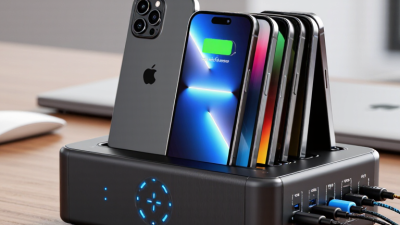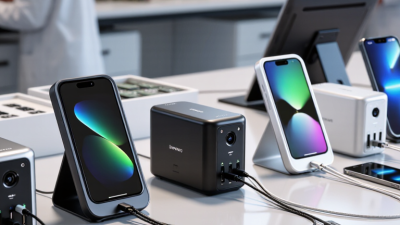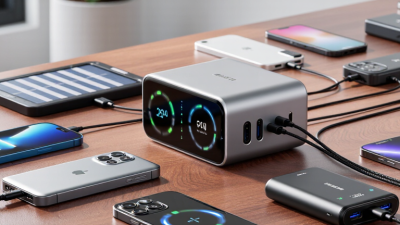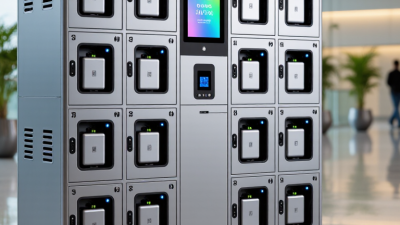
Shared Charging Station networks can make charging more convenient in offices, shopping centers, transport hubs, and other busy locations. Choosing a supplier, however, involves more than comparing equipment prices. Buyers need to consider where stations will operate, how users will access them, and who will maintain the hardware. A unit installed in a sheltered lobby may face very different demands from one placed outdoors near a busy entrance.
This guide introduces ten suppliers for global buyers and offers a practical starting point for comparing their capabilities. It considers product range, software features, payment options, installation support, service coverage, and experience with different deployment environments. Ask suppliers for clear specifications, references from comparable projects, warranty terms, and realistic maintenance plans. Small details matter. For example, confirm whether a station supports the connectors your users need and whether its management platform can provide useful usage reports. Requirements vary by market and site, so buyers should verify technical and commercial details directly with each supplier. A supplier may look strong on paper but offer limited support in a particular region. That deserves a closer look. The names in this overview are not a substitute for local due diligence; they are a shortlist for informed research. Compare them against your own operating needs before making a purchasing decision.
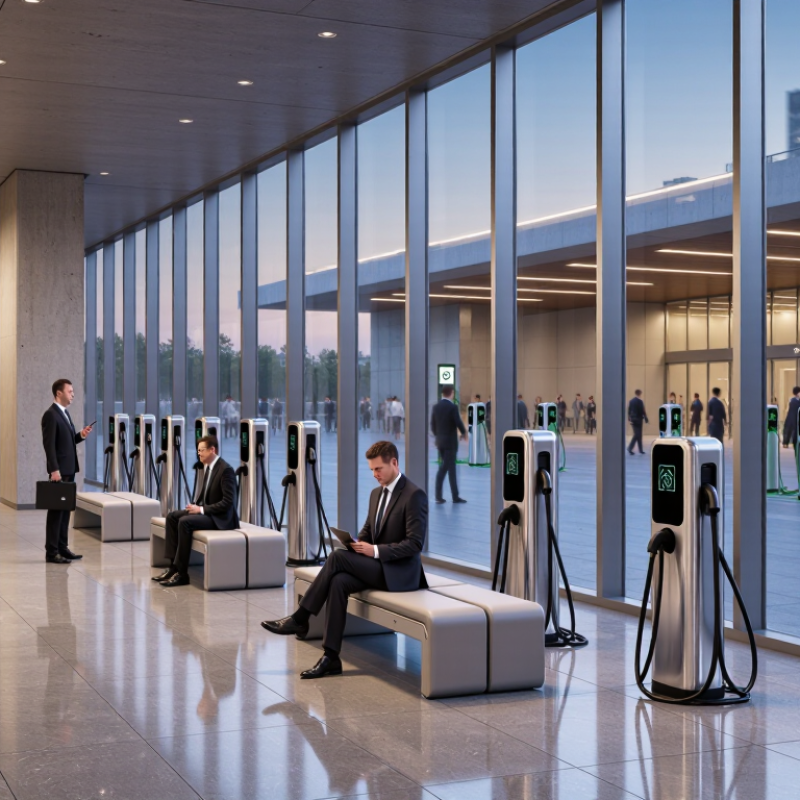
Shared charging stations let people charge phones and other compatible devices at locations they already visit. These may include transport hubs, shopping areas, campuses, and cafés. A typical station offers several charging points, with access managed through staffed service, a screen, or a digital payment system. The best setup depends on who uses the space and how long they stay.
The global market reflects different travel habits, building layouts, and power needs. A busy station may need sturdy ports and clear instructions, while a small café might prioritize a compact footprint. Buyers should check output capacity, connector options, maintenance access, and support for local power standards. Security also matters: users should understand what data, if any, an access process collects. Market descriptions can sound precise, but real demand often varies by season and location. Small details matter.
Tips: Ask suppliers for specifications, warranty terms, and service procedures in writing. Check whether replacement parts are readily available in the intended region. Test the user flow on-site, from finding an open port to completing a charge. A demo helps. Also consider cleaning routines and cable wear; these practical issues are easy to overlook during purchasing.
A dependable shared charging station supplier should offer more than a compact cabinet and a low quote. Check how the system handles battery health, charging speed, and heat during repeated daily use. Ask for test reports and clear specifications for each station model. Useful documentation makes comparisons easier.
Service access matters in busy locations. Confirm that staff can replace a damaged cable or inspect a faulty slot without taking the whole station offline. Ask about spare-part availability, response times, and remote monitoring. A dashboard should show which bays are occupied or out of service. Small details count.
Security needs practical answers, not broad promises. Ask how users unlock stations, how devices are protected from accidental removal, and what happens during a power interruption. Review warranty terms and clarify which repairs are excluded. Pilot testing can reveal issues that a brochure misses. It is not perfect. One short trial may not reflect seasonal demand, so compare supplier claims with feedback from several operating sites. Good suppliers answer specific questions plainly and provide evidence buyers can verify.
Choosing among the top 10 shared charging station suppliers starts with the site, not the sales brochure. A busy transit hub may need several charging points, while a small café might need only a compact unit near its seating. Ask suppliers for installation drawings, power requirements, weather-resistance details, and maintenance schedules. Check whether their stations support the payment methods and device connections your customers actually use. Clear answers matter. So does reliable after-sales support.
Compare the full operating cost, not just the purchase price. Request written warranty terms, expected replacement-part availability, and a realistic response time for service calls. Ask how usage and fault reports can be viewed, and confirm what data the system collects. A supplier should explain these points plainly. If the proposal skips them, pause and ask again. Even a polished display can hide awkward cable placement or a difficult cleaning routine.
Tips: Visit an operating site, if possible, and test the cables, screen, and payment flow yourself. Check that the unit stays stable on the floor and leaves enough room for people to pass. Get key promises in writing. One detail is easy to miss: who handles routine inspections after installation? Compare at least three suitable suppliers, and keep notes on where their answers differ. Your first shortlist may not be perfect; revise it when site conditions or user feedback change.
For global buyers, comparing shared charging station suppliers means looking beyond connector counts. The International Energy Agency’s Global EV Outlook 2024 reports that public charging points grew by more than 40% in 2023, reaching over four million worldwide. That rapid expansion makes deployment capacity and replacement-part availability practical selection criteria. Ask suppliers for verified uptime figures, service response times, and spare-parts coverage by region. A busy station cannot wait weeks for a replacement cable. Small details matter.
Technology determines whether a network works smoothly across vehicles and payment systems. The Open Charge Alliance’s OCPP standards support communication between charging stations and management systems, helping buyers assess interoperability rather than rely on vague “smart” claims. Compare connector options, power-sharing behavior, remote diagnostics, and software update policies. Then check what happens when connectivity drops. Does the unit store transactions and resume reporting? Not always. Service coverage also deserves a close look: installation guidance, local technician training, warranty terms, and multilingual support can vary widely, even among suppliers with similar hardware. The IEA’s outlook shows charging infrastructure expanding across markets, but deployment conditions differ; grid capacity, climate, and site layout can change operating needs. Request references from comparable locations, and verify the data behind performance claims. One overlooked point: published uptime may exclude payment failures.
Comparison of common supplier categories and market offerings—not a ranking of named companies. Product configurations, technical specifications, certifications, and regional support vary by model and supplier and should be verified before purchase.
| Supplier category | Typical station products | Common technologies | Typical service coverage | Buyer checks |
|---|---|---|---|---|
| Global charging-network operator | Shared power-bank stations for retail and public venues | App-based rental, QR-code access, cloud monitoring, USB output | Multi-market networks; availability depends on local operating partners | Network footprint, revenue sharing, app support, and equipment ownership |
| Station hardware manufacturer | Cabinet-style docks, shared power banks, and charging accessories | USB-A and USB-C; some configurations support USB Power Delivery | Export and distributor coverage varies by manufacturer | Electrical ratings, battery transport documents, warranty, and spare parts |
| Software and platform provider | Rental-management platform paired with compatible station hardware | Device management, payment integration, usage reporting, and remote diagnostics | Online service may be international; payment and language support are region-specific | Data hosting, APIs, cybersecurity practices, service uptime, and fees |
| Retail-venue solution provider | Compact countertop or floor-standing stations for shops and food venues | QR-based rental, contactless payment options, and cloud dashboards | Usually supported through local sales and installation partners | Site requirements, payment compatibility, branding options, and maintenance response |
| Hospitality-focused provider | Guest-facing stations for hotels, restaurants, and entertainment venues | Rental or deposit workflows, multilingual user interfaces, and venue reporting | Coverage commonly depends on country-level distributors or operators | Guest support, revenue model, installation needs, and replacement process |
| Transit and public-space integrator | Higher-capacity or fixed-location stations for transport and civic locations | Remote status monitoring, durable enclosures, and network connectivity | Project-based service, often delivered with local installation contractors | Public-site approvals, accessibility, vandal resistance, and service-level terms |
| Events and temporary-deployment provider | Portable or quickly deployable charging stations for events and venues | Rental management, QR access, and temporary network configuration | Often concentrated in selected cities or event markets | Setup and collection logistics, event support hours, and liability terms |
| Wireless-charging specialist | Shared stations or venue fixtures with wireless charging options | Qi-compatible charging is common in the market; compatibility depends on device and product | Sales and support may be distributor-led outside core markets | Qi certification, alignment, charging performance, and device compatibility |
| OEM and private-label supplier | Customizable stations and power banks supplied under buyer-selected branding | Configurations may include USB-C, USB-A, wireless charging, and rental software | International shipping is possible; after-sales support varies by contract | Factory audits, quality control, certifications, minimum order quantity, and tooling ownership |
| Regional distributor and service partner | Locally sourced or imported stations matched to regional deployments | Technology depends on the selected hardware and platform supplier | Strongest in the distributor’s own territory; cross-border coverage varies | Local compliance, inventory, technician availability, and escalation arrangements |
Note: USB Power Delivery, Qi wireless charging, rental software, payment methods, and service coverage are not universal features. Confirm exact model specifications, applicable local regulations, certifications, and support commitments with the supplier.
Choosing a shared charging station supplier starts with local use, not a catalogue. The IEA’s Global EV Outlook 2024 reports that public charging points grew by about 40% in 2023, reaching 3.3 million worldwide. Growth is uneven: China held roughly 70% of the global public-charger stock, while other markets have different site densities and vehicle mixes. A supplier serving apartment blocks may need compact AC units, clear user instructions, and durable payment terminals. Highway sites often need higher-power equipment and dependable remote monitoring. Details matter.
Regional conditions shape the specification. In cold climates, ask how cables and screens perform outdoors; in humid coastal areas, check enclosure protection and corrosion testing. Confirm connector compatibility, grid requirements, software language, payment options, and local maintenance coverage before comparing prices. A low purchase cost can become an expensive choice when replacement parts take weeks to arrive. That happens. IEA figures are useful context, but they do not predict demand at an individual car park.
Tips: Request references from installations in similar climates and traffic patterns. Ask for uptime records, spare-parts lead times, and clear warranty terms. If possible, pilot a small number of units first; real users may reveal problems the specification missed.