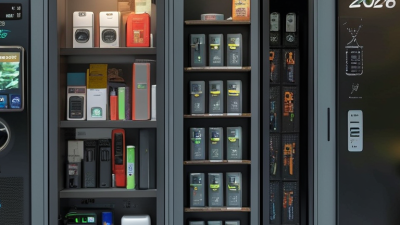
Choosing the right Shared Power Bank Station is more complex than comparing rental capacity or screen size. Global buyers must assess venue traffic, local charging habits, climate, payment preferences, and service expectations. A busy airport needs a different solution from a quiet café, university, hotel, or outdoor festival.
This guide examines ten practical station types for international purchasing decisions. It considers compact countertop units, floor-standing kiosks, wall-mounted designs, outdoor models, event stations, smart lockers, modular systems, and branded retail solutions. Each type offers a different balance of footprint, charging speed, visibility, security, and maintenance access. Small details matter. A station beside a checkout counter may attract attention, while one near a crowded entrance could create avoidable congestion.
Reliable selection requires more than attractive product images. Buyers should review battery protection, connector compatibility, enclosure durability, remote monitoring, payment integration, replacement procedures, and available technical support. Regional certification requirements also deserve careful checking before deployment. A weather-resistant cabinet may perform well in light rain, but not in every climate.
No single type wins everywhere.
Field experience often reveals overlooked problems. A powerful station may still disappoint if users cannot understand the return process. A low-cost model may become expensive when spare parts arrive slowly. The best choice usually matches the operating environment, not the supplier’s broadest feature list. This overview offers a practical framework for comparing the top ten Shared Power Bank Station types with greater confidence, while leaving room for honest testing and improvement.
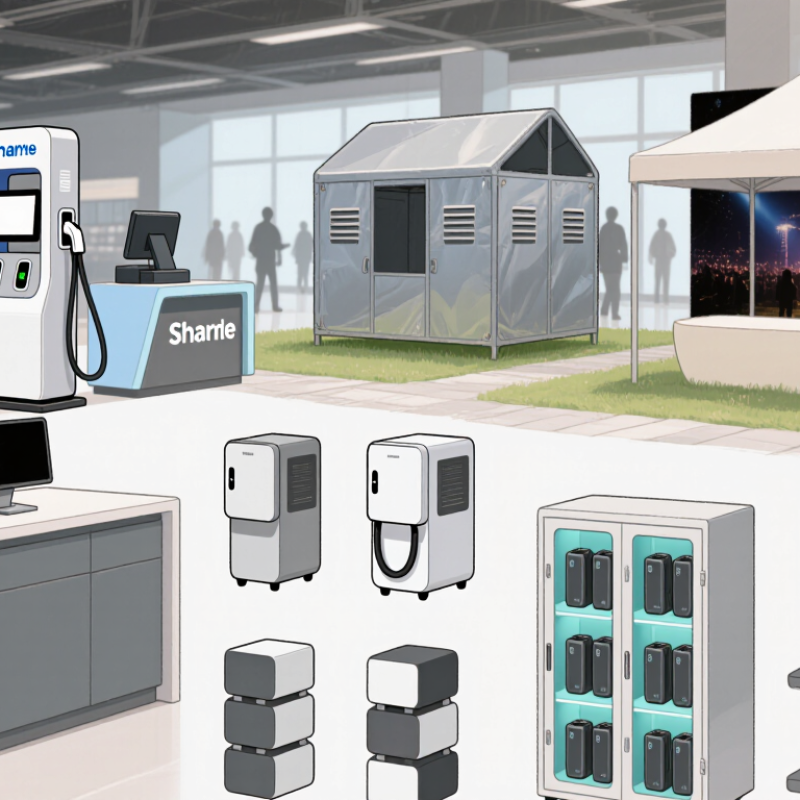
Shared power bank stations differ by location, capacity, security, and maintenance needs. For global buyers, a clear taxonomy supports better product comparisons.
Type one is the compact countertop station for cafés, small shops, and reception desks.
Type two is the wall-mounted unit, which saves floor space in crowded interiors.
Type three is the floor-standing kiosk for malls, campuses, and transport halls.
Type four is the outdoor weather-resistant station, built for covered streets, parks, and open venues.
Type five is the high-capacity hub, designed for heavy traffic and frequent device rentals.
Type six is the event-ready mobile station, useful for temporary exhibitions and conferences.
Type seven is the hotel-focused model, often placed near lobbies, elevators, or guest lounges.
Type eight is the transit station, where quick access and clear instructions matter most.
Type nine is the retail-integrated station, combining charging access with customer service areas.
Type ten is the smart network station, offering remote status checks, usage records, and fault alerts. It needs dependable software and careful data protection.
Buyers should verify socket standards, battery health, enclosure strength, payment security, and replacement procedures.
Field experience shows that easy collection often matters more than decorative design.
No taxonomy is perfect. A busy venue may need several types together. A small shop may prefer one simple unit.
Seasonal demand can also change the decision. Test the station in real conditions before ordering at scale.
Countertop stations suit cafés, hotel desks, reception areas, and compact retail spaces. They use limited floor area and keep the charging point within easy reach. A stable base matters because users often connect phones with one hand. Space matters. Measure the counter depth before installation. Leave room for payment access, signage, and nearby personal items. In busy locations, exposed cables can create clutter and require frequent cleaning.
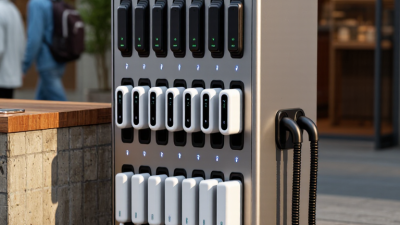
Floor-standing stations work better in transport hubs, shopping centers, campuses, and event venues. Their height improves visibility from several meters away. A weighted base reduces movement when many users collect or return power banks. Place the unit near seating, entrances, or information desks. Avoid narrow walkways. Practical experience shows that a convenient location often matters more than a larger station. Still, tall units may attract accidental knocks, especially during crowded periods.
Wall-mounted designs preserve valuable floor space and create a neat charging zone. They fit corridors, elevators areas, hotel lobbies, and small stores. The wall must support the unit and allow safe cable routing. Check outlet distance, mounting height, and service access before drilling. This design looks efficient. It is not always easy to maintain. Dust can gather behind the housing, while poor lighting may hide charging instructions. Buyers should compare capacity, ventilation, accessibility, and cleaning needs, not just appearance. A pilot installation can reveal problems that drawings miss.
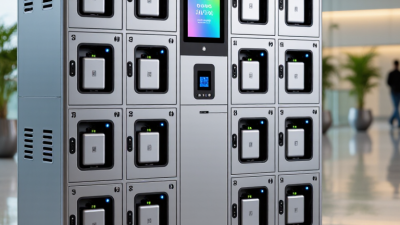
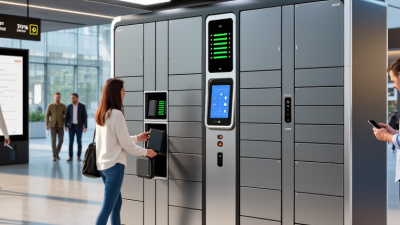
Locker stations suit transport hubs, campuses, hotels, and larger venues. Each power bank sits inside a lockable compartment. Users can collect and return units through a controlled access panel. This design reduces accidental removal and keeps the display orderly. Operators should check hinges, locks, cables, and payment functions during daily inspections. One weak compartment can affect the whole customer experience. That matters.
Kiosk stations need less floor space and offer faster collection. Their open, vertical layout works well near entrances, cafés, and event counters. A clear screen, bright status lights, and simple return instructions reduce confusion. Kiosks also need stable placement because crowded areas create bumps and cable strain. I would avoid placing one beside a narrow exit. Small details matter. Accessibility is often overlooked.
Outdoor stations require stricter site planning. An IP54 enclosure resists limited dust and water splashes, but it is not fully waterproof. Rain exposure, drainage, condensation, and direct sunlight still require attention. Installers should use a level surface, weather-resistant fixings, and overhead protection where possible. Regular checks should examine seals, charging ports, ventilation, and standing water. In my experience, outdoor performance depends on maintenance as much as enclosure design. The rating alone cannot solve poor placement. Temperature changes may also reduce battery performance, especially during winter nights or intense summer heat. A sheltered location usually delivers more reliable service than an exposed, highly visible one.
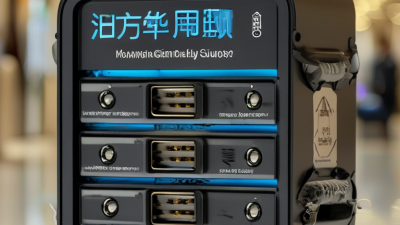
USB-C PD shared power bank stations suit laptops, tablets, cameras, and modern phones. The strongest units can deliver up to 240 W through compatible USB-C ports. That figure needs careful interpretation. The device, cable, charger module, and battery must all support the requested power level. A 240 W label does not make every rented power bank charge at 240 W. Technicians should verify cable ratings and real output during installation.
In busy offices and transport sites, PD models reduce charging time for larger devices. Users can select a detachable power bank, connect a suitable cable, and leave quickly. Good stations display port capability clearly. They also manage heat, current sharing, and overload protection. A practical weakness remains: many users carry old cables. The station may be powerful, but the connection becomes the bottleneck. Clear cable guidance helps, although people still choose the wrong lead.
Qi2 shared stations offer a different experience. Users place a compatible phone on the magnetic charging surface, with supported output reaching 15 W. Alignment matters. A phone sitting slightly off-center may charge slowly or stop charging. Dust, thick cases, and crowded counters can create similar problems. Operators should test wireless performance with common case types, not only bare devices. I would also avoid promising maximum speed in every environment. Wireless charging loses efficiency through heat and positioning, and that limitation is easy to overlook.
Maximum published power ceilings: USB-C PD Extended Power Range reaches up to 240 W, while the Qi2 wireless charging specification supports up to 15 W.
USB-C PD is designed for higher-power wired charging across compatible devices. Qi2 provides convenient magnetic wireless charging, with a lower 15 W power ceiling. Actual station output depends on the charger, cable, device, thermal conditions, and power-sharing design.
Solar-powered shared power bank stations are becoming practical in airports, campuses, and outdoor venues. A typical 20,000 mAh battery pack stores about 74 Wh at 3.7 volts. That keeps it below the commonly used 100 Wh aviation threshold, although operators must verify local transport rules.
The International Renewable Energy Agency reported 345.5 GW of new solar capacity worldwide in 2023. This growth supports solar canopies over rental stations, especially where grid access is limited. A small photovoltaic array can charge station batteries during daylight. Smart controllers then release power gradually. Cloudy weather remains a problem. Designers should not promise full-day operation without backup storage.
EV-integrated stations offer another path. The International Energy Agency reported more than 14 million electric cars sold globally in 2023. This expanding charging network can share site infrastructure with power bank lockers. Operators may connect stations to managed EV charging systems, solar storage, and low-power rental docks. The goal is coordinated energy use, not direct dependence on an EV battery. Under 100 Wh portable packs remain easier to handle, replace, and transport.
Field testing still matters. Heat, rain, cable losses, and frequent user returns can reduce real output. A station that looks efficient on paper may disappoint at noon. Load forecasts should use local weather and foot-traffic data. Safety certification, battery traceability, and clear charging limits are essential. The design is promising, but the economics are not universally proven.