Top Benefits of Power Bank Sharing Cabinet in China Best Market?
The Power Bank Sharing Cabinet concept has gained significant traction in China. With the rise of mobile technology, staying charged is essential. This innovative solution addresses the need for convenient charging anywhere. Cities are bustling with activity, and many people rely on their devices throughout the day.
The Power Bank Sharing Cabinet allows users to rent portable chargers easily and quickly. In busy urban areas, this service is a lifeline for many. It offers an indispensable resource for commuters and tourists alike. However, while the popularity surges, there are concerns about the sustainability and maintenance of these cabinets. Some users report issues with battery life and availability.
Despite these challenges, the benefits are clear. The Power Bank Sharing Cabinet promotes connectivity and reduces anxiety over low battery warnings. It reflects a growing trend in shared resources, blending convenience with modern technology. As this service evolves, addressing potential drawbacks will remain crucial for its long-term success.
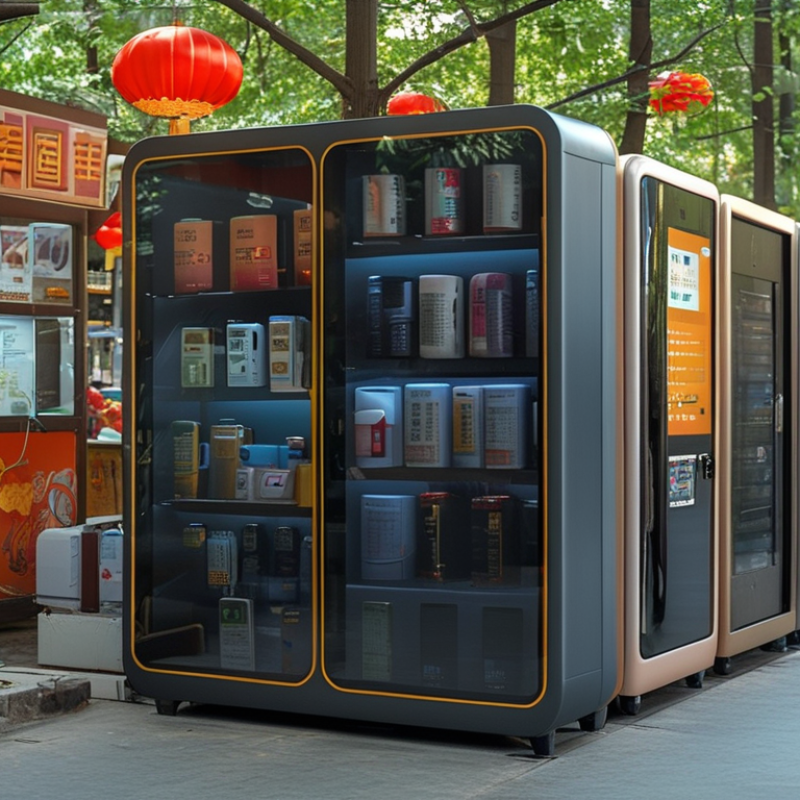
Overview of Power Bank Sharing Cabinets in China
Power bank sharing cabinets have become a mainstream service in China. These cabinets allow users to rent portable chargers on the go. As smartphones become integral to daily life, power banks offer much-needed convenience. According to a report by Statista, the market for power banks is projected to reach approximately $30 billion by 2025, reflecting a steady demand.
In urban areas, these cabinets are often located in high-traffic zones like shopping centers and transport hubs. Users simply find a nearby cabinet and rent a power bank through an app. This is convenient, though some users express concerns about availability in peak times. Sharing services sometimes face logistical challenges, leading to empty cabinets when demand surges unexpectedly.
While the sharing model promotes sustainability, it is not without flaws. Many cabinets lack a consistent maintenance schedule, resulting in malfunctioning devices. A report by Qianzhan Industry Research Institute noted that user experience could suffer due to these operational setbacks. These issues highlight the importance of regular maintenance in ensuring a seamless user experience.
Key Features of Power Bank Sharing Systems
Power bank sharing systems are gaining traction in China. These cabinets provide an accessible solution for mobile device users. With the rise of smartphones, the demand for power sources is skyrocketing. According to recent industry reports, the power bank rental market in China is expected to reach $1.5 billion by 2025. This reflects a strong trend toward convenience-driven technology.
Key features of these systems include real-time tracking and multiple payment options. Users can locate nearby cabinets using mobile apps. These apps enhance user experience by showing battery availability. Additionally, many cabinets support various device types, ensuring compatibility for most travelers. Some systems offer promotional deals, encouraging users to rent more frequently.
**Tip**: When using a power bank, check its battery level. A low battery may not serve your needs effectively.
Moreover, security remains a concern. Users must be cautious about sharing their payment information. Some managers of sharing cabinets might lack adequate oversight. Regular audits and maintenance can improve user trust. Ensuring that these systems are safe and reliable is vital for long-term success. Proper practices can enhance sharing experiences, but still, some gaps need addressing.
Top Benefits of Power Bank Sharing Cabinet in China Best Market? - Key Features of Power Bank Sharing Systems
| Feature |
Description |
Benefits |
| Convenient Access |
Users can find power bank cabinets in various public places. |
Increases user engagement due to ease of access. |
| Flexible Rental Options |
Various rental periods available (hourly, daily). |
Caters to different user needs and budgets. |
| Real-time Availability |
Users can check power bank availability via an app. |
Reduces waiting time, improving user satisfaction. |
| Multiple Charging Options |
Supports different phone models and charging cables. |
Ensures compatibility for a wider range of users. |
| Environmental Impact |
Promotes sharing over individual ownership of power banks. |
Reduces electronic waste, contributing to sustainability. |
Economic Benefits of Power Bank Sharing for Users
Power bank sharing has transformed the way users manage their device charging needs. This innovative service offers significant economic advantages, particularly in bustling urban areas. Users can rent power banks at affordable rates rather than purchasing their own. This provides both convenience and cost savings for those who are always on the move. It removes the worry of running out of battery during essential moments.
Moreover, the accessibility of these cabinets in high foot-traffic areas enhances their appeal. For individuals, this is a game-changer. They no longer need to search for available charging stations or carry heavy chargers. Yet, there are challenges to consider. The reliability of the service can vary. Some locations may have limited availability of power banks, leading to user frustration.
Additionally, not every user is aware of the service's existence. Marketing and awareness efforts are essential for maximizing customer reach. As we navigate this growing market, users must reflect on their experiences. They need to assess the convenience versus the potential issues they might face. Despite these challenges, the economic benefits of power bank sharing continue to draw interest in China.
Impact on Urban Mobility and Convenience
Power bank sharing cabinets have emerged as a game-changer in urban mobility across China. The growing reliance on smartphones and other portable devices has created a substantial need for charging solutions. According to recent industry reports, over 70% of urban residents frequently find themselves in need of a battery boost while on the go. This trend highlights the urgency for accessible charging options in crowded urban settings.
However, the impact is not solely about convenience. Studies show that power bank sharing elevates the mobility experience by reducing downtime. Users can simply grab a charged power bank and continue their day without waiting. This shift also encourages spending time in commercial districts, benefiting local businesses. Yet, there are reports concerning the placement of these cabinets. Poor accessibility in certain neighborhoods reveals gaps in the service coverage that need addressing.
**Tips:** When using a power bank, ensure you are aware of the return policies. Misplacing a rented unit could lead to unnecessary charges. Look for cabinets with clear instructions to avoid confusion. Regularly check the battery life before heading out; a dead bank can hinder your plans. Balancing availability and user education will enhance the overall experience.
Market Trends and Future Potential in China
The power bank sharing cabinet market in China is on a growth trajectory. According to recent reports, the market is expected to reach USD 1.5 billion by 2025. This rise can be attributed to increasing smartphone usage and a growing trend of on-the-go lifestyles. With over 1 billion smartphones in use in China, the demand for portable charging solutions is surging.
Trends indicate that urban areas are leading the adoption of power bank sharing services. Cities like Beijing and Shanghai report high foot traffic, making them prime locations. Data shows that shared power banks generate a revenue of approximately USD 450 million annually in these regions. Challenges remain, such as inconsistent charging speeds and limited availability in suburban areas. Companies are exploring smart technology to address these issues.
In terms of future potential, the integration of artificial intelligence in power bank cabinets could enhance user experience. AI can optimize cabinet locations based on user patterns. However, there is also a concern regarding potential over-saturation in the market. The right balance in deployment will be critical for sustainability in the industry. Companies must remain vigilant about market dynamics and consumer feedback to ensure long-term success.
Market Trends of Power Bank Sharing Cabinet in China



 WS Kate
 Weshare Power Bank