How to Choose the Best Power Bank Cabinet for Your Needs?
Selecting the right Power Bank Cabinet is essential for both personal and professional use. Expert James Brooks, a leading figure in the mobile accessory industry, once stated, “The right cabinet enhances convenience and efficiency.” With the growing need for portable charging solutions, understanding how to choose a cabinet that suits your specific needs is more important than ever.
Power Bank Cabinets come in various sizes and functionalities. Whether for an office, a public space, or personal use, the options can be overwhelming. Many overlook the capacity and charging speed features. Some cabinets may appear sleek and modern but lack the robust functionality required in high-traffic areas. The balance between style and utility is crucial.
Moreover, the durability of the materials used can directly impact the lifespan of a Power Bank Cabinet. Some models may seem affordable initially but require frequent replacements, leading to increased long-term costs. It's critical to appreciate these subtle differences to make an informed choice. Evaluating user reviews and considering the layout of your intended environment can also provide valuable insights. Investing time in the selection process will ultimately lead to a more satisfactory and reliable charging solution.
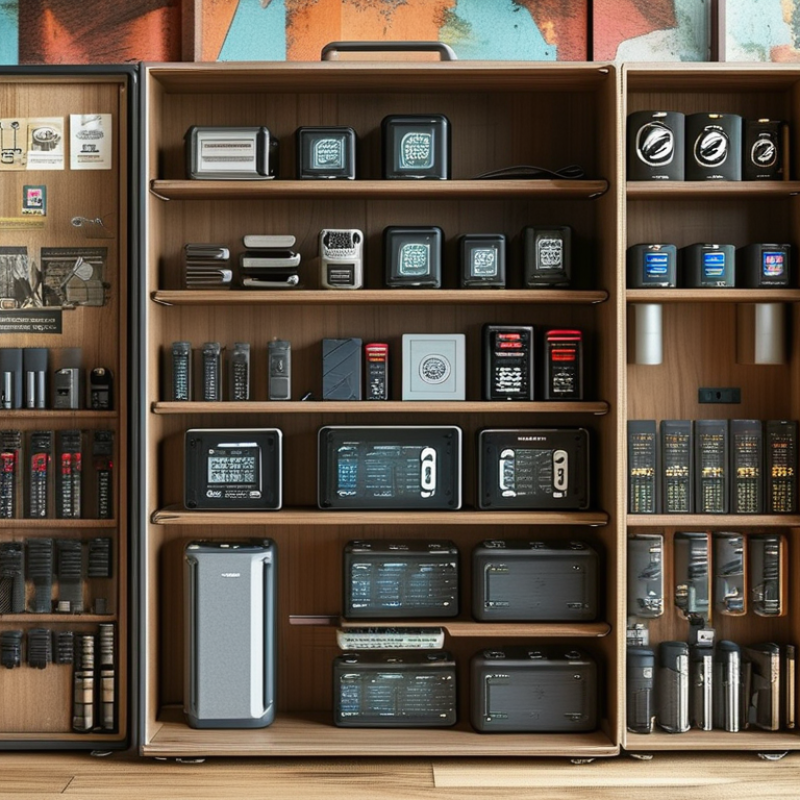
Understanding Your Power Bank Requirements
When choosing a power bank cabinet, understanding your needs is essential. Start by identifying how many devices you typically charge. This number can help you determine the capacity required. A high-capacity power bank may seem appealing, but it also brings weight. Consider whether portability is a priority. Many users neglect the balance between power and convenience.
Next, think about the type of devices you need to charge. Different devices have varying charging requirements. For instance, smartphones usually need lower power than laptops. Yet, some users overlook this detail and purchase a one-size-fits-all solution. This can lead to frustration and inconvenience over time.
Your charging environment also matters. Will you use the cabinet at home, or do you need something for travel? A compact design might work well for frequent travelers. Yet, a more robust cabinet may be beneficial for office use. Reflect on how often you really need to charge multiple devices simultaneously. This reflection can lead to a more satisfying choice.
How to Choose the Best Power Bank Cabinet for Your Needs? - Understanding Your Power Bank Requirements
| Power Bank Capacity (mAh) |
Number of Ports |
Output Power (W) |
Weight (g) |
Dimensions (cm) |
Charging Speed |
| 10000 |
2 |
15 |
200 |
10 x 6 x 2 |
Fast Charging |
| 20000 |
4 |
20 |
400 |
15 x 7 x 3 |
Normal Charging |
| 30000 |
3 |
25 |
600 |
20 x 10 x 4 |
Fast Charging |
| 5000 |
1 |
10 |
150 |
8 x 5 x 1.5 |
Standard Charging |
Assessing the Capacity and Output Options Available
When selecting a power bank cabinet, evaluating the capacity is crucial. Capacity determines how many devices you can charge and how often. Most cabinets range from 10,000 mAh to 50,000 mAh. A higher capacity means more power, but it also translates to increased weight. Consider your usage patterns. If you need to charge multiple devices often, a higher mAh rating makes sense. However, if portability is a priority, a lower capacity might be wiser.
Output options are just as important. Look for cabinets with multiple output ports. This will allow you to charge several devices simultaneously. Additionally, check the output power rating. Many cabinets provide 5V/2A, while others might offer fast charging features. Fast output can significantly reduce charging time, but not all devices support it. Some features may seem appealing but could lead to confusion later. Assess what you truly need against what is available. Balancing these factors can turn the selection process into a more straightforward task.
Power Bank Capacity and Output Options
Evaluating Design and Portability Features
When selecting a power bank cabinet, design and portability are crucial. A well-designed cabinet offers easy access to charging ports. Look for cabinets with intuitive layouts. This enhances user experience significantly. Portability is equally important. A lightweight cabinet is ideal for daily use. Consider the dimensions, especially if you plan to carry it in a backpack.
Material choice impacts durability and aesthetics. Check for sturdy construction that can withstand wear and tear. Color options may matter too, as they can reflect personal style. Think about how the cabinet will blend in with your environment. A sleek design can enhance your workspace or event.
Cable management is often overlooked. A cabinet with built-in cable storage keeps your area tidy. This feature reduces clutter and improves usability. Also, test the ease of setting up the cabinet. Sometimes, complicated setups can deter use. Assess if the cabinet meets your daily needs without unnecessary hassle.
Comparing Safety Features and Certifications
When selecting a power bank cabinet, safety features are critical. Many users overlook certifications that indicate reliability. A recent report shows that 30% of power bank failures result from improper safety standards. Ensuring your device has UL or CE certifications can reduce risks significantly. These certifications confirm that the product has passed rigorous safety tests.
It's essential to understand battery management systems (BMS) within power bank cabinets. A good BMS enhances safety by preventing overcharging, overheating, and short circuits. In fact, a study highlighted that power banks without proper BMS are 40% more likely to experience battery failures. Look for features like surge protection and temperature control to bolster safety.
Users often underestimate the quality of materials used in power bank cabinets. High-quality enclosures reduce the likelihood of physical damage. Yet, many budget options use cheaper materials, which can compromise safety. Regularly reviewing user feedback can provide insights into reliability issues. Always prioritize safety features to make a well-informed choice.
Examining Cost vs. Value for Different Brands
When considering a power bank cabinet, it’s crucial to evaluate cost and value. Many options exist, often with varying price points. It’s easy to be lured by low prices, but it’s essential to assess what you get for that cost. Cheaper cabinets may compromise quality. They might not last long or could fail during crucial moments. Investing a bit more could mean sturdier construction and better performance.
Another factor is the capacity of the cabinet. Higher costs often reflect larger battery capacity and additional features. However, not every setting requires a high-capacity unit. Think about your specific needs. Is it for a busy cafe or a small office? Understanding this can prevent overspending on unnecessary features.
Brand reputation is also something to consider. Some brands consistently deliver reliable products. Others may not. Researching user reviews can provide insights. While one brand may seem appealing, testimonials reveal the real story. It's worth spending time to investigate. Ultimately, balancing cost against perceived value can lead to smarter purchasing decisions.








 WS Kate
 Weshare Power Bank