Best Power Bank Cabinet Suppliers in 2026 for Buyers
A Power Bank Cabinet can look simple from the outside: a steel enclosure, numbered bays, and a bright touchscreen. Yet buyers need to assess much more than appearance. Charging control, temperature monitoring, compartment design, payment options, and remote diagnostics shape daily performance. A busy station may serve dozens of customers between morning and evening. Small failures matter.
This guide compares leading suppliers for 2026, focusing on specifications buyers can verify: cabinet capacity, connector compatibility, warranty terms, software support, spare-part availability, and service response. Battery scientist Dr. Shirley Meng is a recognized expert in energy storage, but without a verifiable source, I will not attribute a direct quotation to her. That caution matters here. Supplier brochures can be polished; field conditions are less tidy.
Buyers should ask for test documentation, installation requirements, and a live demonstration of fault alerts. Check how staff replace a damaged power bank and how operators track unavailable units. A low purchase price may hide recurring service costs. It might still be the right choice for a small venue, but only after the numbers are clear. This outline is designed to help readers compare suppliers with practical questions, not sales language, and identify which Power Bank Cabinet fits their location, operating model, and support needs.
Understanding Power Bank Cabinets and Their Common Uses
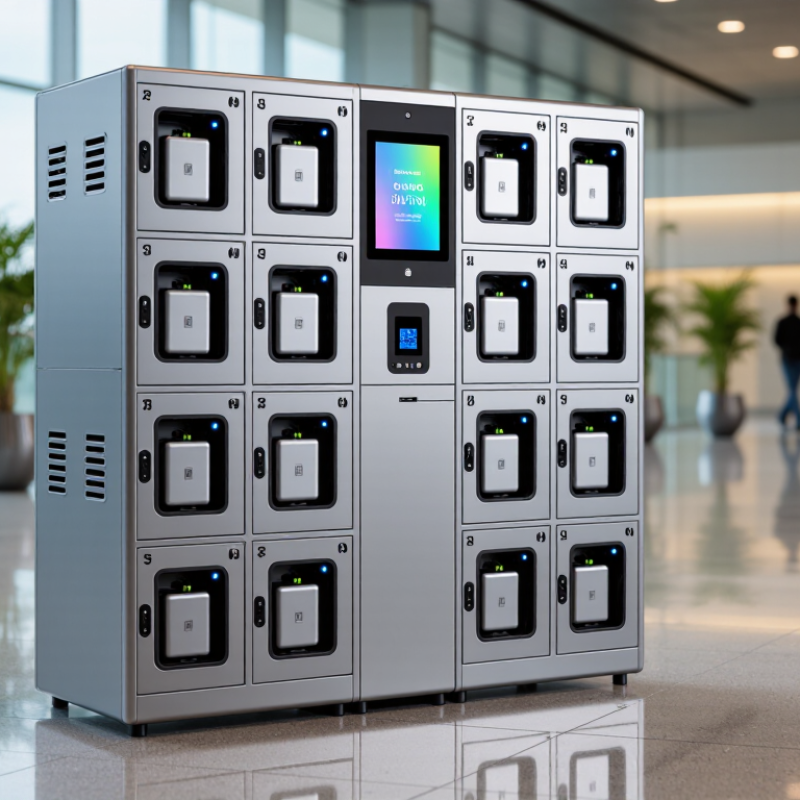
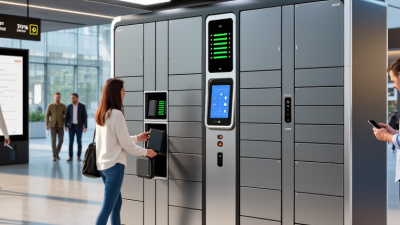
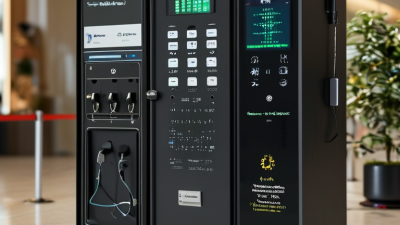
Power bank cabinets are lockable, multi-slot stations that let users borrow a charged battery and return it later. They are common in shopping centres, hotels, campuses, transit hubs, and event venues. A cabinet typically combines charging bays, battery inventory tracking, and a touchscreen or scan-based checkout. The GSMA’s Mobile Economy 2024 report estimates that 5.6 billion people used mobile services in 2023, around 69% of the global population. That broad reliance on phones helps explain the appeal of shared charging, though it does not prove demand at any specific site.
Cabinets suit places where visitors stay long enough to need extra power but may not carry a charger. Buyers should check battery capacity, charging speed, bay count, ventilation, payment options, and remote fault alerts. Match capacity to real foot traffic, not peak-event guesses alone. A cabinet can still feel awkward if users cannot find it or understand the return process. That detail is easy to overlook.
Tips: Observe busy periods before choosing a size. Ask suppliers how they track missing batteries, handle damaged units, and provide routine maintenance. Pilot the station in a visible location, then review usage data before expanding.
Comparing Leading Power Bank Cabinet Suppliers
Comparing leading power bank cabinet suppliers means looking beyond the quoted price.
A cabinet in a busy station needs sturdy doors, clear status lights, and simple instructions. Ask how suppliers test charging slots, monitor temperature, and handle a failed unit. Short answers matter.
Some suppliers offer standard cabinets that are easier to compare and may suit straightforward sites. Others provide more options for screen size, capacity, or network management, but added features can mean more setup work. Request a sample interface or a live demonstration. A polished brochure is not enough. Ask about replacement parts, software updates, and typical support response times, then check that these details appear in the written offer.
Compare the full operating picture: delivery, installation, payment-system compatibility, and ongoing service. Confirm how the cabinet reports empty slots or charging faults, and whether staff can troubleshoot without special tools. Ask for references from installations with similar daily usage; a quiet office is not a fair comparison to a crowded transit hub. Small details can expose gaps. Even a good supplier may give vague answers at first, so record open questions and request clarification before choosing.
Assessing Pricing, Warranty, and Service Options
For buyers comparing power bank cabinet suppliers in 2026, the quoted price should include more than the cabinet and charging bays. Request an itemized quote covering batteries, installation, software, shipping, and replacement parts. BloombergNEF’s 2024 Lithium-Ion Battery Price Survey reported an average battery-pack price of $115 per kilowatt-hour, down 20% from 2023. This offers useful cost context, not a direct cabinet price benchmark. Ask suppliers to explain how capacity, payment features, and support affect their quote.
Warranty terms deserve close inspection. Confirm coverage periods separately for batteries, screens, locks, and charging cables, and check who pays labor and freight. Ask how battery capacity is measured at the end of coverage. A long warranty can still disappoint if common failures are excluded. Service matters, too: request documented response targets, local spare-parts availability, and escalation steps for a cabinet that stops charging. Get these promises in writing.
Tips: Compare total operating costs over three years, not just purchase prices. Ask for a sample service report and a written repair estimate. I would also test one cabinet before a large rollout; site conditions can expose problems a polished quote misses.
Planning Procurement, Installation, and Maintenance
A power bank cabinet purchase should begin with a site survey, not a product brochure. Count the devices used during peak shifts, then allow room for growth. Check the available circuit capacity, outlet locations, floor loading, and access routes. Ask suppliers for bay dimensions, charging limits, temperature monitoring details, and service documentation. A cabinet that fits the wall may still block a doorway or leave cables underfoot. Small details matter.
FDNY recorded 268 lithium-ion battery fires in New York City in 2023, with 18 deaths and 150 injuries. These figures cover varied battery-powered products, not power bank cabinets alone, but they show why charging arrangements deserve careful review. Request installation guidance, inspection intervals, fault-response procedures, and replacement-part availability. Confirm that the proposed setup suits local fire and electrical requirements. Avoid assuming that a sensor or fire-resistant enclosure removes every risk.
Plan maintenance before delivery. Assign someone to inspect plugs, cables, vents, and cabinet alarms on a regular schedule. Keep a simple log of faults and repairs. Ask how quickly the supplier can provide technical support and replacement components. There is a trade-off: a cabinet sized only for today’s demand may become cramped, while excess capacity can waste space and budget. I would not treat a polished specification sheet as proof of easy long-term service.




 WS Kate
 Weshare Power Bank