How to Choose the Best Power Bank Station Sharing Service?
As the demand for portable charging solutions grows, the power bank station share industry is witnessing rapid expansion. According to a report by Allied Market Research, the global market for power bank rental services is expected to reach $2.65 billion by 2027, growing at a compound annual growth rate (CAGR) of 22.4%. This surge reflects the increasing need for convenient and accessible charging options in public spaces.
Choosing the best power bank station share service involves evaluating multiple factors. The availability of stations in high-traffic areas, battery capacity, and charging speed are vital. Data from MarketsandMarkets suggests that nearly 60% of consumers prioritize quick charging capabilities. Additionally, user reviews and service reliability play a crucial role. Many services boast impressive stats, yet actual user experiences often reveal inconsistencies.
While the potential benefits are clear, challenges exist in selecting the right provider. Consumers frequently encounter variations in pricing models and user experience. Some brands may promise extensive coverage but fail to deliver. Assessing various options requires critical reflection and an understanding of one's own charging habits. Ultimately, aiming for a service that aligns with your needs is essential for maximizing the experience.
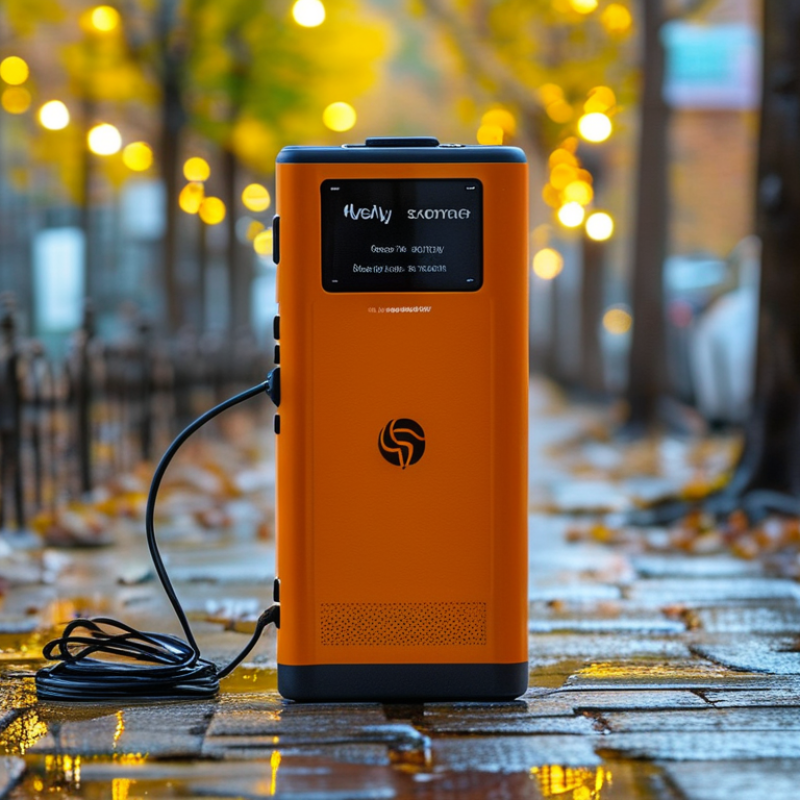
Understanding Power Bank Station Sharing Services and Their Growth Trends
Power bank station sharing services have seen remarkable growth in recent years. Reports indicate that the global market is projected to reach approximately $9 billion by 2026. This indicates a growing demand, fueled by the increasing reliance on mobile devices. With an estimated 3.8 billion smartphone users worldwide, the need for convenient charging solutions is more critical than ever.
However, not all services are created equal. Variability in service quality and pricing can confuse users. Important factors to consider include location accessibility, pricing models, and battery quality. A study revealed that over 50% of users prioritize stations being within walking distance. This highlights the importance of strategic placement for service providers. Furthermore, battery performance often varies across providers, affecting user satisfaction.
Competition also drives innovation, but it can lead to inconsistency. While technology advances, some stations may not keep up. Reports show that up to 30% of stations face issues like low battery availability or malfunctioning units. Users may find themselves disappointed when a station fails. Thus, evaluating the reliability of power bank stations is crucial for making informed choices. Transparent user reviews can provide insight, but they are not always readily available. Investing time in research can ultimately lead to a better charging experience.
Key Features to Look for in a Power Bank Sharing Service Provider
When selecting a power bank station sharing service, certain key features are essential. Look for diverse charging options. A service that offers various power bank types ensures compatibility with different devices. This versatility attracts more users and enhances convenience. Furthermore, robust battery capacity is crucial. Users prefer power banks that can charge their devices multiple times without needing a recharge.
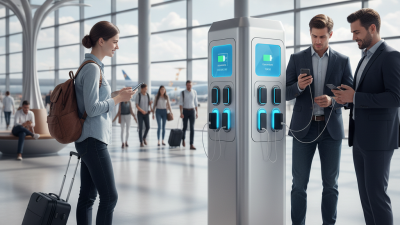
Another critical aspect is the location of charging stations. A reliable service should have stations in high-traffic areas, like shopping malls and public transport hubs. This increases accessibility and makes it easier for users to find a nearby station. Availability of user-friendly technology is also vital. The app interface should be simple and intuitive, allowing quick access to power bank rentals.
Safety and cleanliness are often overlooked but are important considerations. It's beneficial to examine how well the service maintains their equipment. Sanitizing power banks regularly shows commitment to user safety. Lack of transparency in maintenance practices can lead to doubts about overall reliability. Users should feel confident about the service's dedication to both functionality and hygiene.
How to Choose the Best Power Bank Station Sharing Service?
This chart illustrates key features to consider when selecting a power bank sharing service, including battery capacity, number of ports, charging speed, rental price, and availability. Make sure to evaluate these aspects to find the best option for your needs.
Analyzing User Demand and Market Potential for Power Bank Stations
User demand for power bank station sharing services has surged in recent years. According to a report by Mordor Intelligence, the global market for power bank rental services is expected to grow at a compound annual growth rate of over 20% from 2021 to 2026. This growth reflects shifting consumer behavior as people increasingly rely on mobile devices. Convenience is a key driver. Users want easy access to charging solutions, especially in high-traffic areas.
Analyzing the market potential reveals critical insights. Research shows that urban areas with heavy foot traffic offer the best opportunities for installation. Locations such as train stations, airports, and shopping malls typically attract users. A study from Statista highlights that 75% of smartphone users express interest in power bank rentals. However, competition is tightening. Emerging players enter the market, and differentiating factors are important.
To succeed, operators must consider user preferences and local demographics. For instance, the design and accessibility of stations can impact attractiveness. Continuous assessments and adaptability are necessary. The challenge lies in maintaining service reliability and ensuring user satisfaction. Effective customer feedback mechanisms can inform adjustments. This ongoing dialogue with users enhances trust and credibility, crucial in a rapidly evolving market.
Evaluating Pricing Models and Revenue Streams in Power Bank Sharing
When evaluating power bank sharing services, pricing models vary significantly. Some operators charge per hour, while others use a flat rate. A flexible pricing model can attract more users. Understanding your target audience is key. Analyze whether your customers prefer pay-as-you-go options or a subscription model. Each has strengths and weaknesses.
Tips: Consider introducing promotions or discounts for first-time users. This approach can help drive initial adoption. Also, assess how competitors price their services. Staying competitive while offering unique features can be beneficial.
Revenue streams are crucial for sustainability. Besides rental fees, think about partnerships with local businesses. For instance, cafes can host power bank stations. This can create a win-win situation. Reflect on diversifying offerings, such as accessories or premium services.
Tips: Regularly review pricing and service performance. Solicit user feedback frequently. It can provide insights that improve the overall experience and service efficiency. Adjusting based on real user needs can enhance customer satisfaction.
Assessing the Technology and User Experience of Power Bank Stations
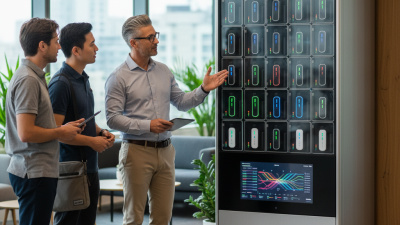
When assessing the technology behind power bank station sharing services, it's important to consider usability. A user-friendly interface enhances the overall experience. Stations must have clear instructions for operation. They should be intuitive, allowing users of all ages to navigate quickly. Features like touch screens and app integration can significantly improve user interaction.
The reliability of the technology is crucial. Power bank stations should provide fully charged devices. Poorly maintained stations can lead to user frustration. Users often report issues like faulty chargers or lengthy wait times. This creates a need for regular maintenance and upgrades. Transparency regarding battery health is essential. Users want assurance that the devices they rent are in good condition.
While many power bank services focus on expansion, the user experience can suffer. Some stations might be overcrowded in high-demand areas, reducing availability. Offering a reservation system could enhance reliability. However, dependability requires continuous monitoring and improvements. Some users may still face hurdles. Feedback loops between users and service providers are essential for addressing challenges. Establishing a system for reporting issues can help create a more reliable environment.




 WS Kate
 Weshare Power Bank