7 Best Phone Power Stations for Fast Charging in 2026?
A dead phone can disrupt more than a conversation. It can interrupt navigation, mobile payments, work, or an emergency call. That everyday dependence is reflected in industry data: GSMA’s The Mobile Economy 2024 estimated that 5.6 billion people subscribed to mobile services in 2023, representing 69% of the global population. Ericsson’s June 2024 Mobility Report put average mobile data traffic at 21 GB per smartphone each month in 2023, with further growth forecast. More screen time means more reasons to keep a reliable charge nearby.
A Phone Power Station can mean a high-capacity power bank or a compact portable power unit, so product comparisons need clear limits. This guide focuses on practical phone charging: output, charging speed, capacity, portability, and useful safety features. USB-C Power Delivery support matters, but the wattage printed on a box does not guarantee that every phone will charge at its maximum rate. Cable quality, device compatibility, temperature, and simultaneous charging can all change the result. Small details count.
The seven options ahead are assessed for real-world convenience, not just headline capacity. We’ll consider whether a unit can revive a phone quickly, fit into a bag, and provide enough reserve for a long day away from an outlet. No single model suits everyone. A large battery may feel reassuring until it weighs down a small backpack; a tiny charger may prove insufficient when plans change. The best choice depends on your phone, routine, and willingness to carry extra weight.
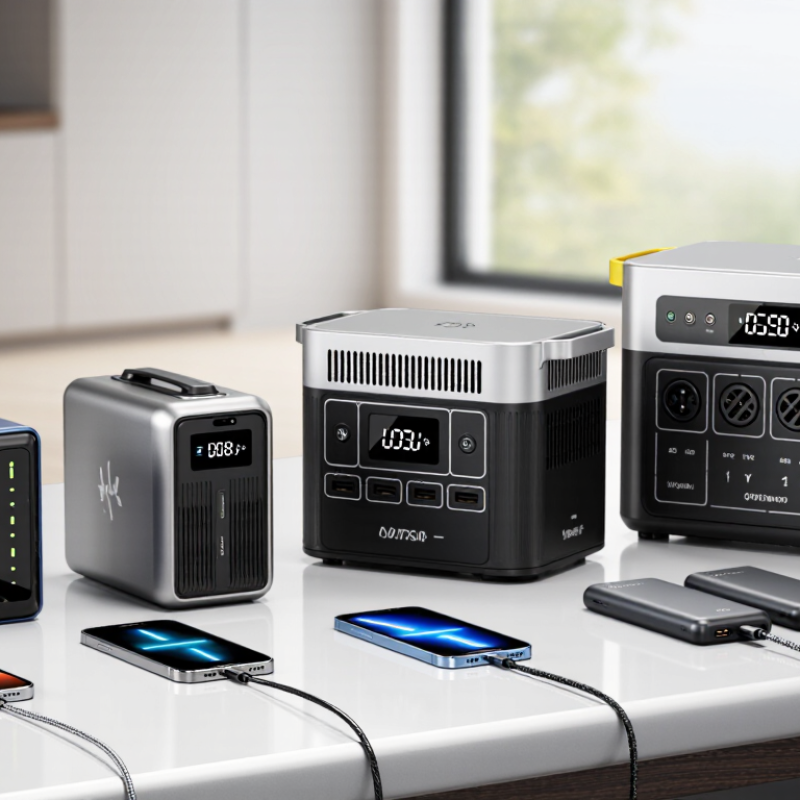
How Phone Power Stations Work and What Fast Charging Means
A phone power station is a rechargeable battery with output ports and control circuits. When you connect a phone, those circuits negotiate a charging mode with the device. USB Power Delivery can adjust voltage and current instead of sending power at one fixed rate. The USB Implementers Forum’s USB PD Revision 3.1 specification, published in 2021, supports power levels up to 240 watts. That is a system limit, not a promise that your phone will draw 240 watts. Heat matters. Phones regulate charging to protect their batteries, so a high-wattage station may still charge a particular model slowly.
“Fast charging” depends on the whole chain: the station’s port, the cable, the phone’s supported protocol, and battery temperature. A thick cable can look reassuring, but it still needs the correct capabilities. Wireless charging works differently, using coils to transfer energy across a short gap. The Wireless Power Consortium’s Qi2 launch materials specify charging up to 15 watts for its Magnetic Power Profile. That figure is a ceiling, not a guaranteed everyday rate. Cases, alignment, and warmth can all reduce performance. It is easy to focus on the largest number printed on a station; in practice, compatibility matters more, and even careful comparisons can miss how a phone behaves while being used.
Key Features to Compare in Phone Power Stations
When comparing phone power stations, start with real output, not the largest number printed on the case. USB-IF’s USB Power Delivery 3.1 specification allows up to 240 watts, but that ceiling does not mean a phone can accept that much power. Check the station’s USB-C output and whether it supports the charging protocol your phone uses. A 30-watt port may be more useful than several ports whose combined output is shared. Look for clear per-port ratings. Vague labels are frustrating.
Wireless charging needs its own check. The Wireless Power Consortium’s Qi2 specification sets a 15-watt charging profile, but actual speed can vary with phone compatibility, alignment, and heat. A thick case or a phone resting off-center may slow charging. For capacity, compare watt-hours when available; milliamp-hours alone can mislead because voltage and conversion losses matter. Also check temperature protection, cable quality, and whether the station can recharge while powering a phone. That feature is handy. Still, pass-through charging can add heat, so independent safety testing and clear thermal controls deserve more weight than an extra port.
7 Best Phone Power Stations for Fast Charging in 2026? - Key Features to Compare in Phone Power Stations
| Type |
Rated Capacity |
Maximum USB-C Output |
Ports / Charging |
Approx. Weight |
Typical Recharge Time |
Best For |
| Ultra-Compact Pocket Pack |
5,000 mAh |
20 W |
1 USB-C; USB Power Delivery (PD) |
About 110–150 g |
About 1.5–2.5 hours with a compatible 18 W+ charger |
Light daily carry and emergency top-ups |
| Slim 10,000 mAh Pack |
10,000 mAh |
20–30 W |
1 USB-C and 1 USB-A; simultaneous charging may reduce output |
About 200–260 g |
About 2–3.5 hours with a compatible 20–30 W charger |
Everyday use with a balance of size and capacity |
| Fast-Charge 10,000 mAh Pack |
10,000 mAh |
35–45 W |
1 USB-C and 1 USB-A; USB-C PD support |
About 220–290 g |
About 1.5–2.5 hours with a compatible 30 W+ charger |
Quick top-ups for phones that support higher-wattage charging |
| Travel 20,000 mAh Pack |
20,000 mAh |
30–45 W |
1 USB-C and 1–2 USB-A; check shared-output limits |
About 350–500 g |
About 3–5 hours with a compatible 30 W charger |
Day trips or multiple phone recharges |
| Multi-Device 20,000 mAh Pack |
20,000 mAh |
45–65 W |
2 USB-C and 1 USB-A; total output is shared across ports |
About 400–550 g |
About 2.5–4 hours with a compatible 45 W+ charger |
Charging a phone, earbuds, and another device together |
| High-Capacity 25,000–27,000 mAh Pack |
25,000–27,000 mAh |
65–100 W |
Usually 2 USB-C and 1 USB-A; some models include a display |
About 500–700 g |
About 3–5 hours with a compatible 65 W+ charger |
Long travel days and charging phones alongside larger devices |
| Wireless 10,000 mAh Pack |
10,000 mAh |
18–30 W wired; wireless speed depends on phone and alignment |
USB-C plus a magnetic or Qi-compatible wireless charging surface |
About 250–350 g |
About 2–4 hours with a compatible charger |
Cable-free convenience; verify phone compatibility for magnetic charging |
Comparison note: These are representative, brand-neutral specification ranges for common phone power-bank types, not verified specifications for specific products. Actual weight, port configuration, charging speed, and recharge time vary by model, charger, cable, and device. Maximum output is only available when the connected phone supports the relevant charging standard; output may be shared when multiple ports are in use.
Seven Phone Power Stations for Fast Charging in 2026
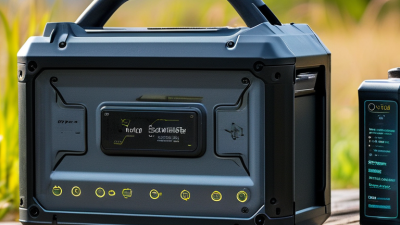
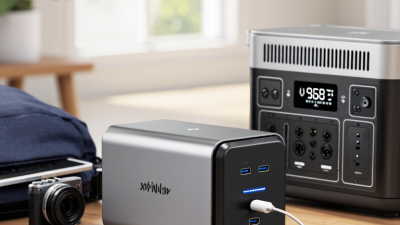
Seven phone power stations serve different charging situations, from crowded trains to remote campsites. A 10,000 mAh pocket pack suits one phone and a short outing. A slim 20,000 mAh model offers more reserve, but adds weight. Other useful options include a built-in-cable pack, a multiport fast charger, a rugged battery, a solar-assisted unit, and a compact station with an AC outlet. Seven distinct jobs. Check the USB-C output rating, not just the capacity printed on the case.
The GSMA’s Mobile Economy 2024 report estimates 5.6 billion unique mobile subscribers in 2023, or 69% of the global population. That widespread use makes reliable backup power practical, not niche. USB-IF’s USB Power Delivery 3.1 specification allows up to 240 watts, but that is a protocol ceiling, not a promise of faster phone charging. The phone and charger must support compatible charging profiles. A cable can limit performance, too.
For a fair comparison, record the phone model, starting battery level, and charging time under similar conditions. Check whether the station can recharge while powering a phone, and whether its display shows remaining capacity clearly. An AC outlet can be handy, though it may waste energy when charging only a phone. I would not treat a large capacity label as proof of real-world performance. That assumption is easy to make. Morning commutes, cold weather, and aging batteries can all change the result.
How Capacity, Portability, and Compatibility Affect Everyday Use
Capacity determines how many times a phone can be topped up, but the printed number is not the whole story. Energy is lost during conversion, so usable charge will be lower than the headline capacity suggests. A compact station may cover a commute and an evening out; a larger one can support several devices during a long day. Check the power output as well as capacity. A high-capacity unit may still charge slowly if its output is limited. Small detail. A short cable and a crowded bag can also make a theoretically useful station annoying to carry.
Portability is more than weight. Consider whether the station fits a coat pocket, has a sturdy cable connection, and can sit safely on a desk without blocking other items. Compatibility matters just as much. Confirm that the charging port and power-delivery standard match your phone, and use a suitable cable. Otherwise, fast charging may not happen, even when the product advertises it. For everyday use, a balanced model often beats the biggest one: enough capacity for your routine, with output that suits your devices. I would still leave some margin for older cables, cold weather, or a phone running navigation. Specs help, but real habits decide what feels convenient.
Choosing a Phone Power Station for Your Charging Needs
Choosing a phone power station for your charging needs starts with how you use your phone. A commuter may need a compact unit for one top-up, while a camper might charge several devices overnight. Check the station’s USB-C output and compare it with your phone’s stated charging requirements. A large capacity alone does not guarantee fast charging. The cable matters, too. A worn or low-rated cable can limit performance, even when the station supports higher output.
Think about weight, port count, and recharge time before buying. If you carry the unit in a small bag, a lighter model may be worth choosing over extra capacity. For family trips, multiple ports help, but check whether they share the available power. Look for clear capacity and output specifications, plus basic protection against overheating and overcharging. Real-world usable energy can be lower than the advertised capacity because conversion loses some power. That part is easy to overlook. I would also consider whether the station can recharge from a wall outlet before a trip; solar input is useful only when conditions and setup make it practical. The perfect choice? Probably not. Match the features to your routine, and leave some room for the times you use your phone more than expected.



 WS Kate
 Weshare Power Bank