Choosing reliable Phone Power Station suppliers requires more than comparing product photos and quoted prices. Global buyers need stable output, practical capacity, safe materials, and dependable communication. A polished catalog can hide weak testing or inconsistent assembly.
This guide examines suppliers through an experienced purchasing lens. It considers USB-C performance, battery protection, charging cycles, heat control, packaging quality, and production consistency. A useful sample should power several phones during a busy travel day, not only perform well in a short showroom test. Buyers should also review factory audits, quality records, product certifications, warranty terms, and after-sales response times. These details often reveal more than a low unit price.
Supplier capability matters at every stage. Clear specifications support accurate comparisons. Flexible minimum order quantities can help new distributors test demand before committing to large volumes. However, no supplier is flawless. Some manufacturers may offer strong engineering but slower delivery. Others may provide attractive pricing while needing closer quality supervision. That trade-off deserves honest attention. Shipping routes, customs documentation, regional plug requirements, and recycling expectations can also affect the final cost. Experienced buyers should request samples, verify performance independently, and document agreed standards before placing a production order. The strongest Phone Power Station partners combine technical knowledge with transparent business practices. They communicate limits clearly, respond to problems quickly, and improve when evidence exposes a weakness. Supplier selection is not a one-time ranking exercise. It is a practical risk review built around real usage, measurable quality, and long-term trust.
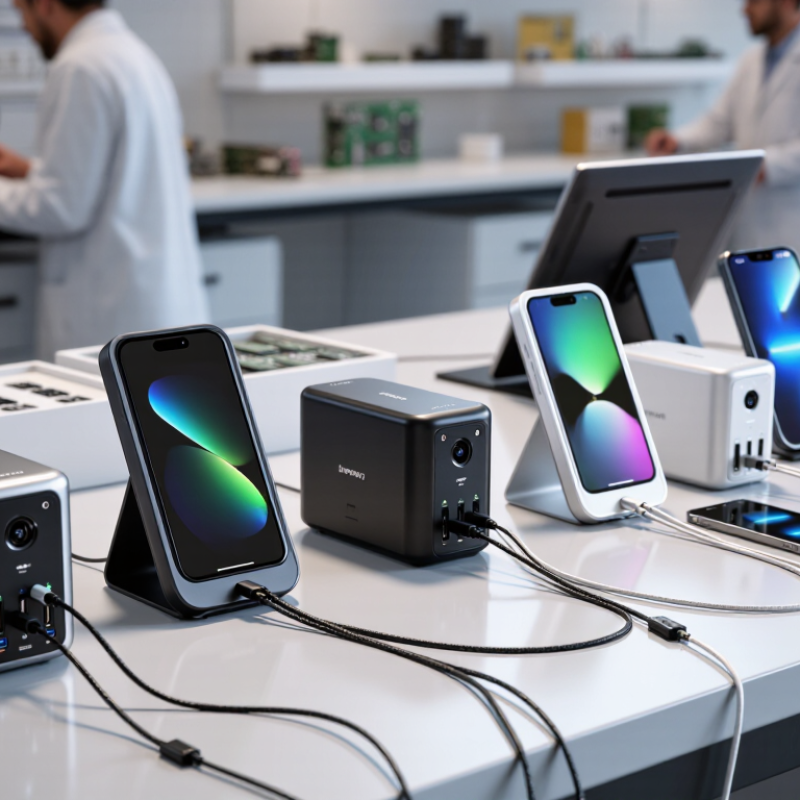
A phone power station is a portable battery system designed to recharge phones and small electronics. It stores electrical energy in internal battery cells, then releases it through USB-A, USB-C, or wireless outputs. Unlike a basic power bank, it may include a larger capacity, multiple ports, a display, and emergency lighting.
The charging process begins when an adapter, solar panel, or vehicle outlet supplies energy to the station. A battery management system controls voltage, current, temperature, and cell balance. It helps prevent overcharging and excessive discharge. USB-C Power Delivery can adjust output for different devices. Some models also use an inverter for AC outlets, but conversion creates energy loss. Real-world output is lower than the printed capacity. That gap is easy to underestimate.
In practical testing, cable quality and ambient temperature noticeably affect charging speed. Heat matters. A station placed inside a hot vehicle may reduce its output or stop temporarily for protection. Global buyers should check rated capacity, port protocols, recharge time, warranty terms, and applicable safety certifications.
Input voltage also requires attention when sourcing across regions. A supplier should provide test reports, clear manuals, traceable production information, and honest cycle-life data. No station fits every phone or travel condition. I would not rely on wireless charging alone, because alignment losses can be significant. A simple cable is often more dependable.
Reliable phone power station suppliers prove performance beyond glossy specifications. GSMA’s Mobile Economy 2024 reports 5.6 billion unique mobile subscribers in 2023. That scale demands stable output, not just attractive pricing. Suppliers should provide tested battery capacity, USB-C power delivery, thermal controls, and surge protection. Ask for reports based on IEC 62368-1 or equivalent safety requirements. Cell traceability matters too. A missing batch record is a warning sign.
Delivery consistency is equally important for global buyers. Check factory audits, production capacity, inspection procedures, and clear warranty terms. Suppliers should explain cycle-life testing with real measurement conditions. “Up to 1,000 cycles” means little without temperature and discharge details. The Global E-waste Monitor 2024 recorded 62 million tonnes of electronic waste in 2022, with only 22.3% formally recycled. Better suppliers therefore offer replaceable components, recyclable packaging, and repair guidance. The industry still overpromises durability sometimes.
Tips: Request three samples from different batches. Test charging speed, heat, standby loss, and recharge time. Confirm plug standards, labeling, customs documents, and regional support before signing. A small pilot order is wiser than a large assumption. Also, compare warranty claims honestly; this step is often skipped.
Top Phone Power Station Suppliers for Global Buyers
Major supplier categories shape how global buyers evaluate phone power stations. OEM and ODM manufacturers offer the widest customization options. They can adjust battery capacity, port layouts, housing materials, and packaging. Their engineering teams may also support thermal testing and charging performance checks. However, customization usually requires higher minimum order quantities. Production schedules can shift during component shortages.
Wholesale distributors serve buyers who need ready-made units quickly. They often carry several capacities, connector types, and retail configurations. Their stock may support smaller trial orders and faster regional delivery. Yet buyers should inspect product traceability, warranty terms, and replacement procedures. A low unit price means little when defective units cross several borders.
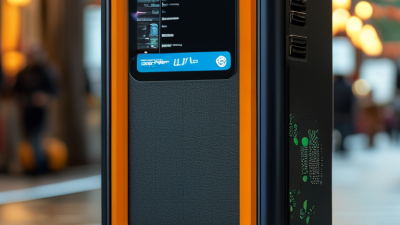
Specialized power station suppliers focus on commercial charging equipment for hotels, transport hubs, offices, and events. These suppliers may provide lockable cabinets, shared charging cables, screen controls, or modular battery systems. Their teams often understand installation planning and routine maintenance better than general electronics traders. Fit varies. A compact station may suit a reception desk but fail in a crowded waiting area. Buyers should request sample testing, safety documentation, cycle-life data, and clear after-sales contacts. Samples expose weaknesses. In practice, cable durability and heat management can matter more than attractive casing. Some procurement teams overlook this detail, then spend more on replacements.
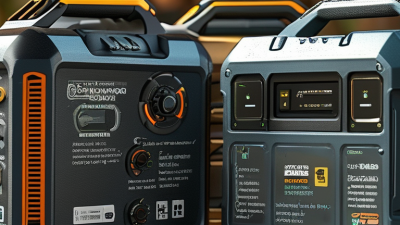
Major supplier categories serve different buyer requirements, from compact USB-C power banks to high-output portable and solar backup systems. The chart shows representative continuous-output ranges in watts rather than company or brand performance.
Top Phone Power Station Suppliers for Global Buyers
How Global Buyers Compare Suppliers and Products
Global buyers often begin with output power, but field experience shows that real performance depends on more than wattage. Compare USB-C output, charging protocols, battery capacity, recharge time, and heat control. A station may claim high capacity, yet deliver less usable energy after conversion losses. Ask for test data, not only a product sheet.
Supplier reliability needs equal attention. Check factory audit records, quality procedures, sample consistency, and production capacity. Request reports for safety, transport, and electromagnetic compliance in your target markets. Clear documentation reduces customs delays and protects distributors from expensive surprises. Communication matters too. A responsive engineer can solve a technical issue faster than a polished sales presentation.
Inspect the details.
Look at connector durability, fan noise, display accuracy, and cable storage. For outdoor buyers, verify water resistance and low-temperature performance. For offices, compare footprint, mounting options, and standby power use. Warranty terms should identify repair timelines, spare parts, and responsibility after delivery. Some suppliers promise flexible customization, but changes may weaken testing discipline or extend lead times. I have seen attractive samples fail during repeated charging cycles. That experience makes small-batch testing essential before large orders. No comparison is perfect. Product priorities change by region, climate, regulations, and user habits.
For global buyers, phone power station sourcing begins with compliance, not price. Requirements vary by destination, battery chemistry, and transport method. Ask suppliers for current UN 38.3 test summaries, IEC 62133-2 reports, safety data sheets, and applicable EMC documents. Markets may also require rules covering restricted substances, labeling, recycling, and radio functions. Do not accept a generic certificate. Check whether the tested model matches the shipped battery, enclosure, ports, and firmware.
Sourcing decisions need evidence from production. Request cell specifications, capacity test records, protection-board details, and serial-number traceability. A factory audit should review incoming inspection, welding controls, aging tests, and final-load testing. Order samples from regular production, not specially prepared units. Measure real output with common phone models and cables. Our early assumption was wrong. A higher stated capacity did not always deliver faster charging. Small details matter.
Logistics can fail after the product passes inspection. Confirm carton dimensions, battery state-of-charge limits, labels, UN packaging, and carrier acceptance before booking cargo. Air shipments often require stricter documentation and quantity controls than sea freight. Customs descriptions should match invoices, packing lists, and test records. Build time for port checks and document corrections. Keep a buffer. One missing transport document can delay a full container, while heat, moisture, or rough handling can damage retail-ready packaging. Clear responsibility for insurance, claims, and destination compliance should appear in the purchase contract.